Careers
Our Impact
We’re here to make life better for people impacted by diabetes—boldly, unapologetically, and with just the right dose of disruption. We raise global awareness, delivering life-saving resources and community support to help people with diabetes not just survive—but thrive. Some of us live with or care for a family member living with diabetes, some of us don’t—diverse perspectives make our work better. But we all show up with purpose, ready to build what’s needed to change what it means to live with diabetes.
Our Culture
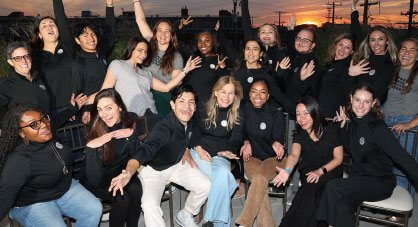
We’re a fully remote team spread across the U.S. We work hard, stay flexible and trust each other to get the job done. We value different perspectives, honest conversations and being able to laugh together between meetings. You’ll have the space to be yourself and the support to do your best work. We believe inclusion isn’t just a value—it’s how we build stronger work and a better community.
Ready to join the team?
Please review our open positions and apply to the positions that match your qualifications.
View Job Openings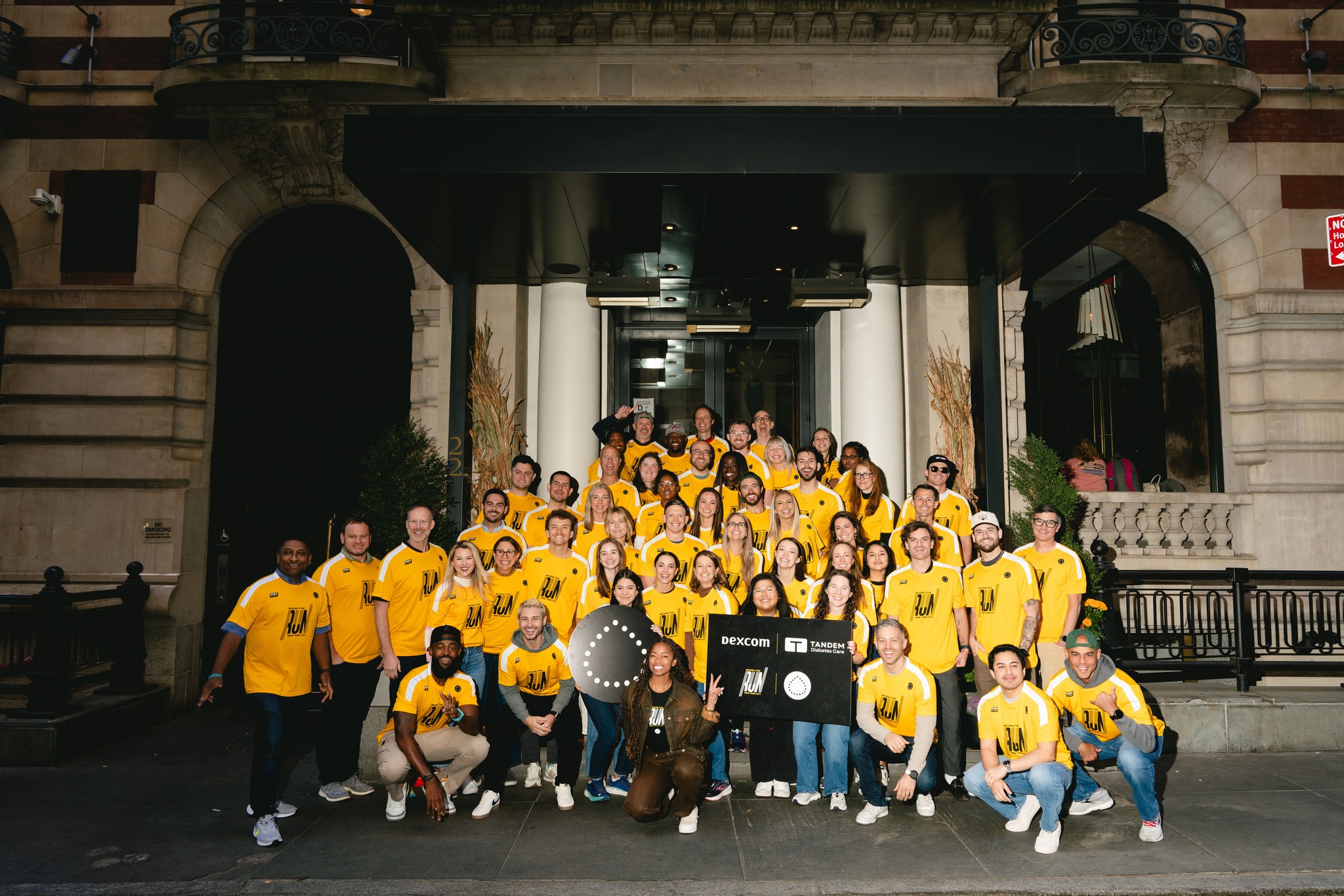


Equal Opportunity Statement
Beyond Type 1 provides equal employment opportunities (EEO) to all employees and qualified applicants for employment without regard to race, color, religion, sex, gender, gender identity or expression, sexual orientation, national origin, age, disability, genetic information, veteran status, or any other status protected by applicable law or policy. Beyond Type 1 complies with all applicable laws regarding equal opportunity in employment.
Check Us Out On Social
Diabetes isn`t a barrier to gender-affirming care and hormone therapy. Here`s a few questions to ask if you`re looking to start a conversation with your healthcare team about transitioning while living with diabetes. Share this so someone who could use it finds it.
- How might hormone therapy change my insulin needs?
- What baseline diabetes information should we review before I start hormones?
- How often should I monitor my glucose when starting hormone therapy?
- Who will help adjust my insulin if my numbers change?
- What warning signs should I watch for after starting hormone therapy?
Reminder: Beyond Type 1 has a zero-tolerance policy for hate speech. Comments that are discriminatory, harassing, or harmful will be deleted.
#TransVisibilityDay #GenderAffirmingCare #t1dlookslikeme


Calling all innovators and entrepreneurs in the diabetes space 🗣️ We are looking to fund those who are shaping the future of diabetes care.
If you or your organization are interested, apply by April 28! Or share with someone who might be a good fit.


Every person with diabetes deserves affordable access to insulin. The INSULIN Act is one important step to make that happen. Introduced on Wednesday, the bipartisan bill aims to cap the cost of insulin at $35 for those on private insurance.
As members of the Diabetes Patient Advocacy Coalition (@diabetespac) and the Diabetes Leadership Council, we support the INSULIN Act and all efforts to make insulin affordable.
We’re looking forward to continuing our work with @diabetespac this year, including bringing ambassadors to Hill Day to advocate for policies that improve the lives of people with diabetes. If you’re interested in lending your voice, sign up to become a Beyond Ambassador in our bio. Updates and info coming soon.
And if you or someone you know is struggling to afford insulin right now, find the cost-saving options available to you at getinsulin.org
#Diabetes #InsulinAccess #Type1Diabetes

Have you heard of a c-peptide test?
There are 3 stages of type 1 diabetes and a c-peptide test can help prevent misdiagnosis, refine your treatment plan, and potentially slow down the progression of T1D.
If you`ve been screened for T1D and are in Early Stage 2 T1D → Ask for a C-peptide test in the next few months, could be eligible for beta cell preservation to slow down the progression of T1D.
If you’ve recently been diagnosed with T1D (Stage 3) → Ask for a C-peptide test within 2 weeks, could be eligible for beta cell preservation to slow down the progression of T1D.
If you’ve had T1D for a year or more → discuss with your healthcare provider, could help you understand where you stand.
For more information on stages and when to see your doctor, check out our bio!

How do you describe the feeling of a low blood sugar to others?

Tell me I`m not the only one who`s had a workout like this 😭

A reminder that our silent fight with Type 1 Diabetes doesn’t go unnoticed 🥊

The NYC Marathon cheer section without a trending audio 👏🎉
If you want to train with us and the Beyond Type Run team this year, the application is now open! Find it in the link in our bio
And shoutout to our founding presenting partner @dexcom for making this happen.

Diabetes doesn`t define your limits.
"I was diagnosed with Type 1 diabetes in 2001 at 6 years old. Since then I’ve learned that managing diabetes isn’t just something that happens in the background of life, it’s something you carry with you into every moment.
Into the firehouse.
Into the gym.
And into the ring.
Last Friday I stepped into Madison Square Garden for the FDNY Battle of the Badges, proudly representing firefighters, my city, and the entire Type 1 community.
Living with T1D means constantly balancing numbers, decisions, and discipline. But it also teaches resilience, preparation, and mental toughness.
If there’s one thing I hope people take away from this moment, it’s that diabetes doesn’t define your limits. You can still chase the biggest dreams, step into biggest arenas, and live to the fullest.
This one’s for everyone living with Type 1."
@chrispal5000

I will be testing every liquid I encounter until further notice 🙂↕️


Diabetes care didn’t evolve by accident; Black innovators helped build it.
Who do you want to see in the next roundup?


"In 2018, I went to a panel on invisible illnesses and was surprised by how many people had questions about diabetes. Everyone knew the word, but no one really understood it. That’s when I realized social media could be a way to clear up misconceptions."
Shoutout to Kalex, who you probably know as @typewondiabetes, for opening up to us about how to advocate for yourself and your healthcare.


You may think it`s "just a joke" but it`s actually a life-threatening barrier to care and diagnosis. Diabetes stigma can make checking blood sugar or taking insulin feel like something to hide or even skip altogether. And it can stall research, delay diagnosis or contribute to misdiagnosis. Representation matters.
