Newly Diagnosed with Prediabetes: Now What?
Written by: Eugenia Araiza, CDE Nutritionist
6 minute read
September 2, 2026
Between a feeling of relief and some concerns you find yourself trying to figure out what that means. You had heard about diabetes, but not pre-diabetes. And you wonder "So do I have diabetes or not, what do I need to do, what does that mean?"
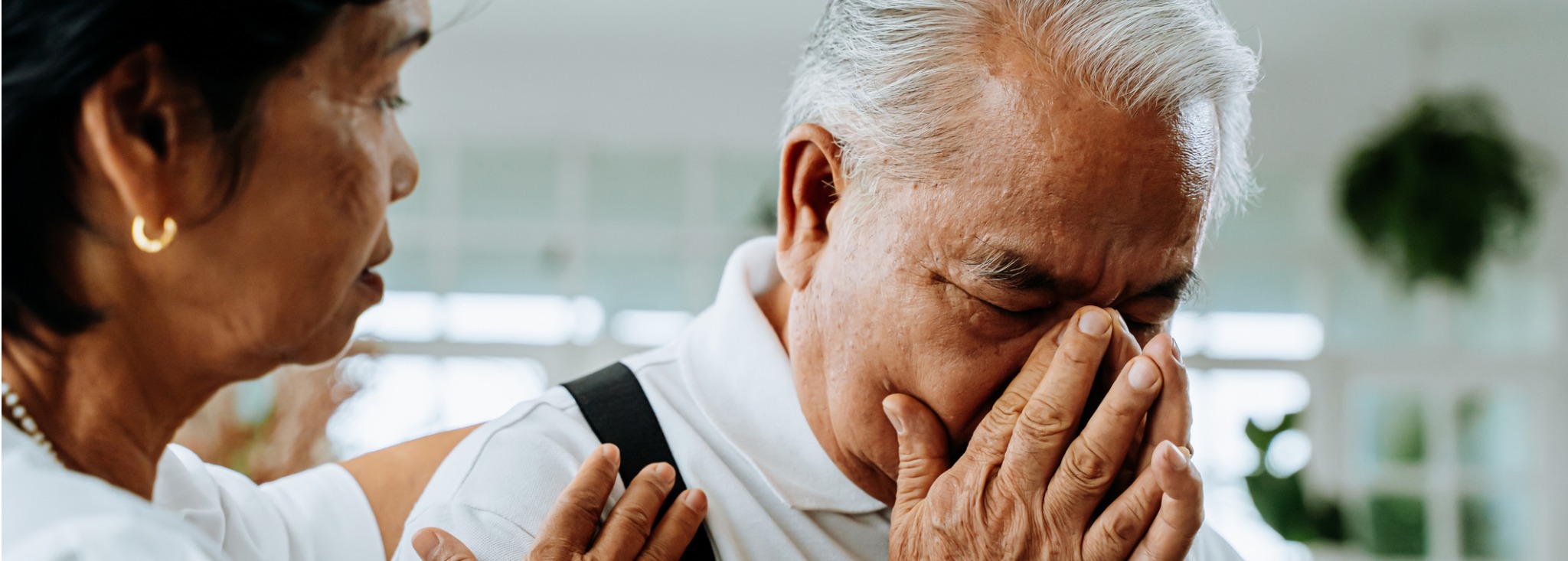
If you’ve recently been diagnosed with prediabetes, that can come with a lot of heavy feelings. Everyone goes through it differently.
Between feeling relieved or a little worried, you may be trying to figure out what your diagnosis actually means. You may have heard of diabetes, but not prediabetes.
Before diagnosis, you might have noticed something felt off with your body, like dark patches of skin on your neck, armpits, knees or elbows. Or maybe your doctor found higher-than-normal an out of range blood sugar at a routine checkup, and it made you wonder if you had diabetes.
You might be asking yourself:
- So wait… do I have diabetes or not?
- Does this mean I will definitely get type 2 diabetes (T2D)?
- What do I need to do?
- What does this mean for me?
- How do I have to change my life now?
In this guide, we explain what prediabetes is, why it happens, when it leads to T2D and what you can do to be proactive about your health.
What is prediabetes?
In short, prediabetes means your blood sugar is a little higher than normal, but not high enough to be called T2D. It’s a warning sign that something isn’t working quite right in how your body processes glucose.
The good news: certain lifestyle changes can help you prevent or delay T2D.
When you’re diagnosed, you have awareness. And awareness means you can do something with the information you have! It’s not a failure—it’s putting the power back in your hands. A prediabetes diagnosis can be a catalyst to reclaim your health and life.
Before diving into that, it’s important to understand why prediabetes happens.
Think of your pancreas like it’s a sponge
Diabetes care and education specialists like to use a sponge full of water to explain how the pancreas makes insulin. It feels easier to understand and more approachable this way!
In this example, the sponge is your pancreas, and the water is insulin. We’re all born with a full sponge, so we don’t run out of water. But when we eat a lot of processed food that’s high in fat, sodium and added sugar, we squeeze that sponge harder than usual. Over time, that leaves less water inside it.
Add in other factors, like not moving enough, high stress and not eating enough fruits and vegetables, and eventually the sponge runs low on water. These factors all lead to something called insulin resistance, which I’ll explain next.
What is insulin resistance?
Insulin resistance happens when your muscle, fat and liver cells stop responding well to insulin. In this case, picture your cells as a lock and insulin as a key. The key is slightly bent, so it struggles to open the lock and let blood sugar into the cell. Because your cells can’t easily absorb glucose from your blood, your pancreas has to make more insulin to compensate.
As long as your pancreas can make enough extra insulin, your blood sugar stays at a healthy level. But once it can’t keep up, your blood sugar starts to rise. That rise is the sign that something’s wrong.
So how did your healthcare provider (HCP) know you had prediabetes? They likely used one of these tests:
- A1C test: This shows your average blood sugar over the past three months.
- Fasting blood sugar test: A blood sample is taken after you fast for eight hours.
- Oral glucose tolerance test: This test measures your blood sugar several times during the test. A blood sample is taken after an eight-hour fast, then you drink a sugar solution and your blood sugar is checked two hours later. Special diet instructions are needed with this test. Don’t start or eat a low carbohydrate diet within three days of this test. Most people will need to have at least 150 grams of carbohydrates each day for at least three days before the test. Talk with your HCP about how to prepare ahead of time.
You’re at target or goal range if your results show:
- A1C: below 5%
- Fasting glucose: below 5.5 mmol/L (100 mg/dL)
- Glucose tolerance test: below 7.8 mmol/L (140 mg/dL)
You have prediabetes if your results show:
- A1C: 5.7-6.4%
- Fasting glucose: 5.5-6.9 mmol/L (100-125 mg/dL)
- Glucose tolerance test: 7.8-11.1 mmol/L (140-199 mg/dL)
You have diabetes if your results show:
- A1C: 6.5% or above
- Fasting glucose: 6.9 mmol/L (126 mg/dL) or above
- Glucose tolerance test: 11.1 mmol/L (200 mg/dL) or above
Depending on your test results and if you have any signs or symptoms, your HCP may retest you on another day to confirm your diagnosis.
My results say I have prediabetes: what do I do?
Prediabetes is a stage before diabetes, but after your diagnosis, you have a lot of power to keep it from turning into T2D. A big part of that is looking at your environment, eating habits and exercise habits. The National Diabetes Prevention Program (DPP) focuses on the last two.
If you want to reclaim your power and get ahead of your health, follow these important steps:
- Eating a more nutritious diet: one that’s low in processed foods and full of fruits, vegetables, lean meats, seafood and legumes. Consider food logging or tracking to hold yourself accountable. Incorporate whole foods and grains, drink fewer high calorie beverages like soda and replace them with water, and eat baked, broiled and grilled foods more than fried. To make a more nutritious diet sustainable, find foods you love. You don’t have to eat what you hate!
- Get about 150 minutes of exercise a week: find an exercise you love and start incorporating it. Start slow—steady wins the race! Brisk walks count! You don’t have to be a gym bro to make a difference in your physical health.
- Drink enough water: this can help you control your appetite and keep things flowing within your body. For the average adult, the general recommendation is to drink at least 11.5 cups per day. This can vary depending on your health status and fitness levels. Always talk to your doctor if you’re unsure which guidelines apply to you!
Building new habits takes time: give yourself grace
These two steps can help prevent or delay T2D. They can also help bring your blood sugar back to your target range. While they may seem simple in theory, remember that forming new habits takes time.
Be gentle with yourself during this process and work with a health coach or doctor who can support your efforts. Remember, regression is part of the journey—change isn’t always a straight line. You might fall back into old habits a few times before your new ones stick.
Even if you’re later diagnosed with T2D, those same habits can help you keep your blood sugar within a healthy range and live a full life. There’s no shame in living with T2D or prediabetes.
Prediabetes can increase your risk of developing type 2 diabetes, but you don’t have to navigate it alone. Whether you’re living with prediabetes or T2D, Beyond Type 1 connects you with a community that understands the challenges and supports you every step of the way. Explore our Community Apps.


Author
Eugenia Araiza, CDE Nutritionist
Eugenia has a degree in nutrition and is a diabetes educator. She was diagnosed with type 1 diabetes (T1D) 23 years ago. She currently works at https://www.facebook.com/healthydiabetesmx/ https://www.healthydiabetes.mx She enjoys studying and helping people manage their diabetes.
Related Resources

Sensitive Topic Warning: This article discusses anxiety, stress, depression and mood swings, which may be...
Read more

First responders bring to mind 911 emergencies where paramedics respond to provide lifesaving care. But...
Read more

If you live with diabetes and take insulin, you've probably heard of diabetic ketoacidosis (DKA),...
Read more