A Rural Paramedic’s Guide: What To Do When EMS Is 40 Minutes Away
Written by: Katie Gorman
11 minute read
July 22, 2026
Imagine waking up feeling like you didn’t sleep at all. Your legs feel heavy. You make coffee, drink a liter of water without thinking about it and don’t think much of the thirst—yesterday was a long day.
By mid-morning your glucose is climbing and won’t come down with a correction. You’ve had stubborn highs before, so you keep going. By early afternoon, you’re nauseated, you’ve made three bathroom trips, and there’s a faint fruity smell you can’t place. You test for ketones. The reading is high.
You call 911. The dispatcher takes your address: three miles down a dirt road, 40 minutes from town. The nearest ambulance is 34 miles away and already on another call.
Their estimated arrival time? Forty-seven minutes.
This is rural EMS. And it means the first 30-plus minutes of a diabetes emergency are almost always yours to manage alone.
So what do you do when EMS is 30 minutes or more away? Let’s dive into ways you can feel empowered and in control of your diabetes if an emergency strikes.
How to prepare for a diabetes emergency before it happens
The best emergency plan you can have as a person living with type 1 diabetes in a rural area is a prevention plan.
Some things to consider keeping handy include:
- Backup insulin
- Extra pump supplies
- Ketone strips
- Glucose tablets
- Glucagon
- Water and electrolyte drinks
- A written emergency plan
What should you do before EMS arrives?
What you do in those first 30 minutes of waiting can make a big difference later. Rather than waiting, here are steps you can take to care for yourself while you wait for EMS to arrive.
1. Call 911 early
This may seem obvious but it’s worth mentioning. If you live in an area like the one described earlier, the sooner you call 911, the sooner the emergency response system is activated and help starts heading your way. Tell the 911 dispatcher what you’re experiencing and a general description of the severity so they can try to send the highest level of care available.
2. Unlock the front door
This saves a step (and time) later down the road. And if you become more weak or incapacitated waiting for the ambulance to arrive, no one has to break your door down to gain access to you which delays care further.
3. Gather your diabetes information
This expedites the process when EMS does arrive and saves you time and energy if your condition worsens.
Keep a small medical card with information like:
- Known allergies
- Current medication list
- Other medical conditions you may have
You can also make a small note of:
- Your current symptoms and when they started
- If you’ve ever been hospitalized before
- Your healthcare provider’s name and contact information
It’s also helpful to keep all your medications together in a small tote or box that’s easily accessible so first responders can review exactly what you take, at what dose and when.
4. If you suspect diabetic ketoacidosis, start drinking fluids
Test for ketones and if you suspect diabetic ketoacidosis (DKA), start drinking fluids if you’re able. Once you get to the level of care that can start an IV, fluids will most likely be administered. But until then, you could help yourself prevent further dehydration if you sip on until help arrives.
Water is the best option. However, drinking whatever you can keep down is better than nothing.
5. Check your blood sugar frequently
Whether you’re experiencing high or low blood sugar, information matters.
Check your glucose every 15 to 30 minutes if you’re able.
Write down:
- Blood sugar readings
- Ketone readings if available
- Time of each measurement
- Symptoms you’re experiencing
This information helps EMS providers and emergency department staff understand how quickly the situation is changing.
If you wear a CGM, it will do much of this work for you automatically by logging readings every five minutes. This gives EMS a window into what your glucose has been doing for the last several hours, rather than just a single snapshot in time.
During a fast-moving low, your CGM reading may lag slightly behind your actual blood glucose level. Trust your body and if you can, consider a fingerstick glucose reading to see if it matches what your CGM data is telling you.
6. Follow your sick day plan
Many healthcare providers offer “sick day” instructions for managing illness, pump failures and high blood sugars. If your care team has given you a specific plan, follow it.
This may include:
- Checking ketones
- Taking correction insulin doses
- Drinking additional fluids
- Monitoring blood glucose more frequently
7. Treat severe lows aggressively
Low blood sugar is any blood sugar level at or below 70 mg/dL (3.9 mmol/L). Severe low blood sugar levels begin when your blood sugar drops below 55 mg/dL (3.1 mmol/L). If your blood sugar is low and you’re awake enough to swallow safely:
- Consume 15 grams of fast-acting carbohydrates
- Recheck your blood sugar after 15 minutes
- Repeat if necessary
Examples of fast-acting carbohydrates include:
- Glucose tablets
- Regular soda
- Fruit juice
- Glucose gel
If glucagon is available and you’re unable to safely consume carbohydrates, have a family member or caregiver administer it according to the product instructions and inform the 911 dispatcher when they arrive.
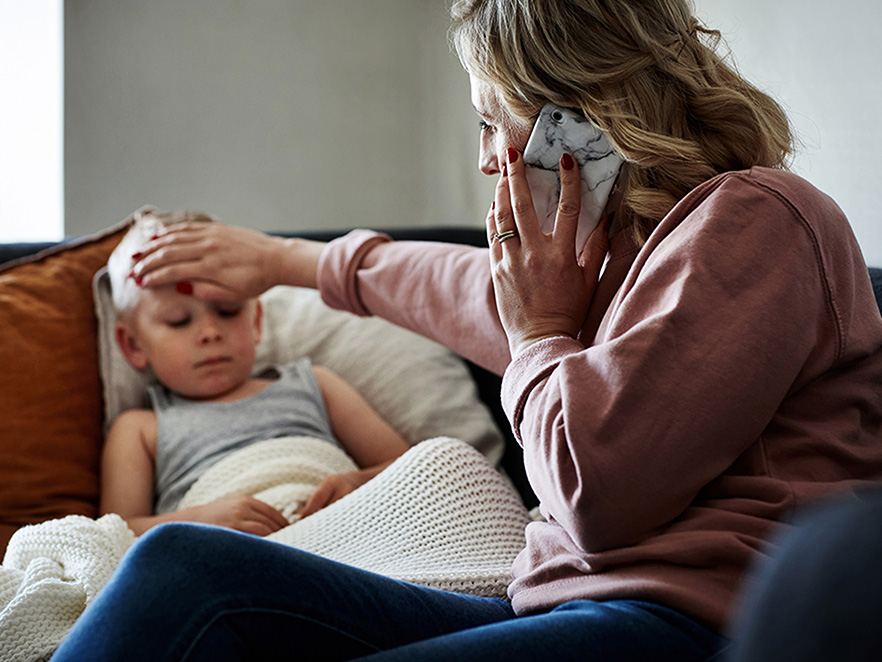
8. Stay on the phone if your symptoms get worse
If you become:
- Increasingly confused
- Extremely weak
- Short of breath
- Unable to stay awake
- Unable to keep fluids down
Call 911 back or remain connected with the dispatcher. Dispatchers can provide guidance, update responding crew, or escalate the urgency of the response if your condition deteriorates.
9. Don’t drive yourself to the hospital
It may feel like help is never going to come, especially if you’re worried or panicked.
Logically it may seem like it will be faster for EMS to meet you if you start driving on your own. But you also add the risk of having no phone service, dangerously waiting on the shoulder of the road or worse losing consciousness while driving. It’s possible your condition may even worsen on the way. It’s safest to stay put.
What happens when EMS arrives for a diabetes emergency
Once EMS arrives, you’ll find out what provider level has been dispatched. Each level is licensed to provide varying levels of care. For example, an EMS crew operating at the Basic Life Support (BLS) level may not have access to the same medications, procedures or advanced interventions available to paramedic-level providers, known as Advanced Life Support (ALS).
It varies from state-to-state, but here is a general breakdown of what they can offer.
What can a BLS crew do for a diabetic emergency?
Who they are:
- EMTs operating at the National EMS Scope of Practice Basic level
- Nationally, roughly 60% of rural EMS agencies are BLS or BLS-equivalent
- Volunteer or part-time staffing is common
What they can do for a diabetic emergency
- Oral glucose administration for conscious people experiencing hypoglycemia but are able-to-swallow
- Glucagon administration (now within BLS scope in most states)
- Oxygen if needed
- Vital signs monitoring and documentation
- Rapid transport
What they can’t do
- Start an IV
- Administer IV dextrose (D50 or D10)
- Administer IV fluids for DKA-related dehydration
- Perform advanced airway management
- Administer anti-nausea medications
What this means for you
- If you’re conscious and can swallow, BLS can treat hypoglycemia effectively
- If you’re unconscious, severely altered or DKA is advanced, BLS stabilizes and transports as fast as possible
What can an ALS crew do for a diabetic emergency?
Who they are
- Paramedics or Advanced EMTs operating at a higher scope of practice
- Can perform more invasive interventions on scene
What they can do for a diabetic emergency
Everything BLS can do, plus:
- IV or IO access
- IV dextrose (D50 or D10) for severe hypoglycemia
- IV fluid resuscitation for DKA
- Anti-nausea medications (ondansetron, promethazine)
- 12-lead EKG monitoring
- Advanced airway management if needed
- Communication with medical direction for additional orders
What this means
- ALS can begin meaningful stabilization on scene and during transport
- For DKA specifically, fluids can start before the hospital
- Severe hypoglycemia can be reversed on scene rather than waiting for hospital care
What is a BLS/ALS intercept and when does it happen?
What it is
- A BLS crew responds first, assesses you, and determines ALS level care is needed
- An ALS unit is dispatched to meet them at whatever location is fastest (at the scene or en route)
When this typically happens
- Altered mental status
- If you’re unconscious
- Suspected DKA with vomiting or severe dehydration
- Hypoglycemia unresponsive to oral treatment or glucagon
- If the BLS crew determines that your condition is serious or critical
What it looks like practically
- BLS crew arrives, begins assessment and basic interventions
- ALS crew intercepts on scene or at a predetermined meeting point on the transport route
- Care is transferred or delivered collaboratively
- Transport continues to the appropriate facility
The tradeoff to be aware of
- Intercept adds time before ALS care begins
- In some rural counties, the nearest ALS unit may still be 20-30 minutes away
The bottom line
All of this is why your early actions matter—they buy time for the system to work.
If you’re not sure how EMS works in your area you can always contact the local ambulance or fire department to get an understanding of local protocols, response times and more. In more rural areas, they may be able to even mark your address down and keep note of your medical history or the best way to enter your home.
Becoming a part of an advocacy program is also a fantastic way to spark change, build diabetes awareness, and help your community. Don’t have a local group? Check out the Beyond Ambassadors program where we help spark policy change, share peer education and create real-world impact. It’s open to anyone who is connected to diabetes, including caregivers, family members, or if you just want to be involved in the community!


Author
Katie Gorman
Katie is a former paramedic turned health and wellness copywriter with over a decade of experience in emergency medicine. Her past career allowed her to train healthcare teams using high-fidelity medical simulation. Today, she focuses on improving health literacy through clear, accessible health communication to create a world where being healthy feels achievable to everyone. When she’s not writing, you can find her at the peak of a mountain, and most definitely snowboarding her way down in the winter months. Growing up in a landlocked state she developed a knack for surfing. She grooves to anything from the 70’s and loves... Read more
Related Resources
You might think one of the first steps after a type 2 diabetes (T2D) diagnosis...
Read more
Living with type 2 diabetes (T2D) often means using supplies like insulin, blood glucose meters...
Read more

Sensitive Topic Warning: This article discusses anxiety, stress, depression and mood swings, which may be...
Read more