Stick With It: Race Day Sensor Tips for Runners With Type 1 Diabetes
Written by: Dalila Brent
3 minute read
October 29, 2026
Marathon training involves a lot of moving parts, from nutrition and the right gear to planning your recovery. But for runners living with diabetes, there’s another thing to factor in: keeping their devices secure on race day. Finding what works can take some trial and error, and even with the perfect setup, it’s smart to have a backup plan. From Dexcom sensor placement and backup adhesives to what to do if a device falls off mid-race, we asked our marathon runners gearing up for the NYC Marathon to share their tips and tricks for keeping their diabetes tech in place when it counts.
Technically necessary
For sisters MacKenzie Hall, whom you may remember from MTV’s “Teen Mom,” and Whitney Osborn, marathon miles are nothing new. But without diabetes tech, they admit, logging those long-distance miles would be a whole lot harder.
“I was very turned off by even the word pump or anything attached to my body,” Hall says. But her mind changed after running her first NYC marathon, where she tried a CGM for the first time. “A CGM was life changing for me. I mean, the Dexcom] G7 is smaller than a quarter. I don’t really even notice I have it on.”
“I wouldn’t be able to be a long distance runner without the technology,” Osborn adds.
Amazing placement
For Adam Abdin, racing to the finish line will look a little different this time around. The “Amazing Race” Season 38 alum is running the marathon alongside his teammate on the show and in life: his brother, Joseph.
Adam took on major challenges while managing T1D in front of millions. Marathon training brings a different kind of pressure, especially when you’re figuring out what works and what doesn’t. One thing that’s stayed consistent, though, is where he places his Dexcom sensor.
“I always keep it on the back of my arm,” Abdin says. “It’s been a fantastic spot for me and I’ve never had an issue with it, whether I’m running, in the water or playing sports.”
Sticking to the plan
Finding the right spot for your sensors and pumps isn’t always easy. So when things don’t stick on race day (literally), having a backup plan is key.
“My G7 stays on so much better than the G6 did,” Osborn says.
Training has been a little more slippery for Hall. “The last six pumps have fallen off within the first day because of sweat,” Hall says. I prep with alcohol, skin tack, the over patches and nothing has worked. I actually think I’m gonna bring a backup glucometer and a backup insulin pen.”
“Fortunately I haven’t run into that while running, the G7 overpatch holds up well on its own, Abdin says. “For my pump, I use adhesive patches to keep it secure. But I like to be prepared. My partner is a huge help, and we put together a to-go emergency bag for race day. It has an extra Dexcom sensor and a backup glucose meter, so if anything happens I’m covered.”
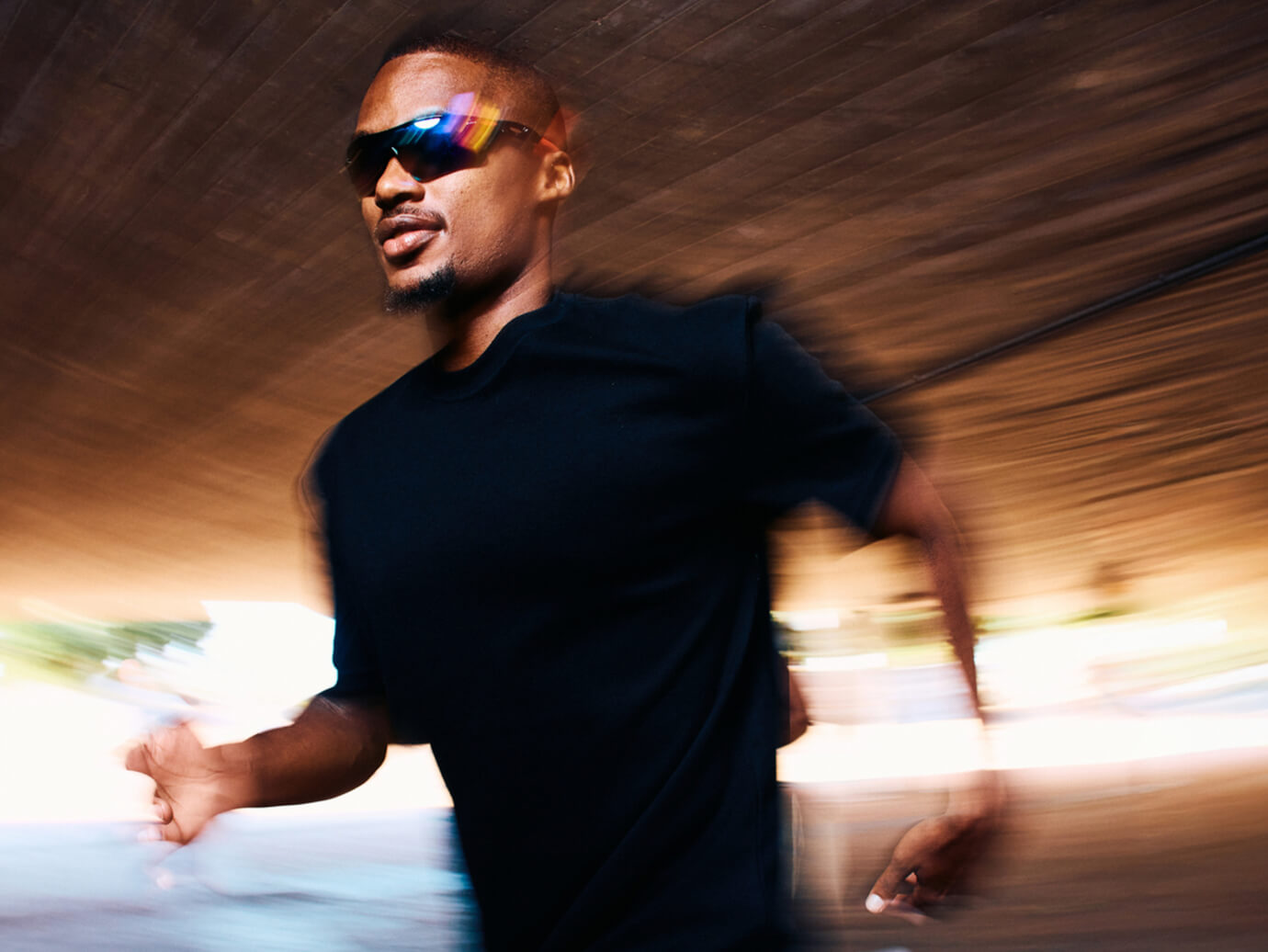
Everyone has their own approach to race-day prep. Here’s a quick recap of the tips:
- Tech over no tech: Wearing your devices is better than going without and helps keep you on the safer side.
- Stick with what works: Use sensor placements you’ve tested and know work for you.
- Pack backup supplies: Bring extra sensors, insulin pens, a glucose meter and other essentials just in case.
Missed the 2026 Beyond Type Run team? No worries! Applications for 2027 open next spring, so keep tabs on Beyond Type Run for the latest updates.
This content was made possible by Dexcom, an active partner of Beyond Type 1. Beyond Type 1 maintains full editorial control over our content.


Author
Dalila Brent
Related Resources

The health risks of nicotine are well known. But what isn’t well known is actually...
Read more

Measuring a person’s HbA1C (A1C) used to be the only way to assess blood sugar...
Read more

Your dietitian hands you a meal plan. It includes salmon, quinoa, olive oil and mixed...
Read more