How Non-Diabetes Medications Impact Blood Sugar Levels
Written by: Beyond Type 1 Editorial Team
11 minute read
October 30, 2026
Medically reviewed by: Beyond Type 1 Clinical Team
Diabetes medications aren’t the only ones that affect your blood sugar levels. Common prescription and over-the-counter (OTC) medications, such as cold medicine, steroids, birth control and antibiotics, can sneakily influence your levels. If you have type 1 diabetes (T1D), that’s worth knowing before you’re standing in the grocery store aisle or pharmacy line trying to pick a decongestant to manage cold or flu symptoms.
In this guide, we share tips for picking medications that are less likely to influence your blood sugar levels, or, if you can’t avoid them, how to manage your levels differently after you’ve discussed them with your healthcare provider (HCP).
Cold and flu medicine
Being sick stresses your body, and stress releases hormones that raise blood sugar. Those same hormones make insulin work less efficiently, usually right when you need it most.
Here are a few things that can help:
- Reach for pills over liquid medicine when you can because liquid medication often has more carbs.
- If a liquid medication tastes sweet, it may contain sugar or other carbohydrates. Always check the label or ask your pharmacist to be sure. Avoid it if you can.
- Ask your pharmacist whether a sugar-free version exists if you really prefer the liquid version.
- Check your blood sugar more than usual when you’re sick because sick days make blood sugar fluctuations more likely.
- Cover any carbs in your medication with insulin just like you would with food.
Other non-diabetes medications that affect blood sugar levels
While this list isn’t exhaustive, it includes the ones people ask about most.
According to GoodRx, here are the ways some over-the-counter (OTC) and non-diabetes prescription medications affect your blood sugar:
- Steroids: like prednisone, help reduce inflammation and allergic reactions. They also tell the liver to release more sugar (glucose). This can make your body less sensitive to insulin (aka insulin resistance), often resulting in high blood sugar (hyperglycemia). Your insulin needs may need to be adjusted while on steroids.
- Decongestants: like pseudoephedrine and phenylephrine, are in most cold and allergy medicine and can raise blood sugar, too.
- Aspirin: can lower blood sugar, but usually only at very high doses. The low daily dose (often called baby aspirin, usually 81 mg) is not expected to have a significant effect on blood sugar.
- Beta blockers: prescribed for high blood pressure and heart problems, can raise or lower blood sugar. Most importantly, they can also mask the warning signs of low blood sugar, like a racing heart, so you might not notice until it’s already serious. Wear a continuous glucose monitor (CGM), if you’re not already, while taking this medication so you don’t miss lows.
- Statins: these lower cholesterol and can slightly raise your blood sugar. The heart benefits of statins usually outweigh that risk for most people, so don’t stop one on your own. If you’re unsure whether it’s safe for you to keep using your statin, consult your HCP
- Fluoroquinolone antibiotics: ciprofloxacin and levofloxacin are common ones and can cause high or low blood sugar swings.
- Niacin: a B vitamin sometimes prescribed for cholesterol, can raise blood sugar at high doses.
- Hydroxyurea: used to treat cancer and sold under different brand names in each region, can interfere with blood sugar levels, too. This medication has been shown to give false high blood sugar readings, so cross-checking your CGM data with a blood glucose meter (BGM) is important if how you feel doesn’t match your blood sugar reading.
- Some antipsychotics: including olanzapine and quetiapine, can raise blood sugar and contribute to weight gain over time. Weight gain can also raise insulin needs.
Never stop, adjust or start any medication without consulting your healthcare team.
Monitor your CGM closer than usual while you’re on these medications
If you wear a CGM, monitor it closer than usual while you’re on some of these medications.
There’s one in particular that’s worth paying special attention to:
- Acetaminophen (Tylenol): this common headache/body ache medication used to be a real problem for CGMs, leading to false high readings with no warning. That’s mostly history now. Current Dexcom sensors handle a normal dose fine, and FreeStyle Libre reports no contraindication for typical acetaminophen use either. Older sensors, and some MiniMed (formerly Medtronic Diabetes) models, can still get thrown off.
Check your specific CGM manufacturer label or website for instructions, or ask your healthcare team if you’re not sure how closely you should monitor your levels while taking acetaminophen. If your blood sugar reading doesn’t match how you feel, always use a BGM to cross-check before correcting your blood sugar with insulin for highs or sugar for lows. This is what many CGM manufacturers already recommend, but it’s worth repeating here.
Make a sick day plan
Nobody thinks clearly when they’re sick! That’s exactly why you should make a plan before you need it, so you’re not scrambling when you don’t even feel like doing the bare minimum to manage your T1D.
Sit down with your HCP while you’re healthy and map out:
- A list of cold and flu medications that are safe for you specifically: everyone’s body works a little differently, so you may notice less of an impact with some of the medicines listed throughout this guide than others.
- Your healthcare team’s contact info: including who to call nights, weekends and holidays if you need it. Odds are, you probably won’t, but it doesn’t hurt to have it, just in case, especially if someone needs to call for you.
- How often to check your blood sugar: check every four hours, and test for ketones when your blood sugar is high.
- How much water to drink: roughly eight ounces per hour, or the amount suggested by your HCP, while you’re sick because dehydration alone can raise blood sugar. Drinking water can help you flush things out of your system faster.
- How to adjust insulin when you’re sick: do not stop taking insulin, even if you’re barely eating. Remember, diabetic ketoacidosis (DKA) does not result from high blood sugar. It results from insulin deprivation. High blood sugar is a warning sign that you’re insulin-deprived. Even when you’re not eating or moving around much, you still need insulin if you have T1D.
It helps to have a few supplies on hand before you need them, too—keep the following supplies in stock in case a sick day hits you without warning:
- Diet or caffeine-free soda
- Clear broth
- Sugar-free popsicles
- Regular gelatin
- Glucose gels, powder, gummies or tablets
- Low-calorie sports drinks
- Oatmeal or another easy-to-digest complex carb—your body still needs nutrients while you’re sick, usually even more so than usual!
Check for ketones if your blood sugar is 240 mg/dL (13.3 mmol/L) or higher, or sooner if your sick-day plan recommends it. If ketones are present, follow your ketone management plan and contact your healthcare team promptly for instructions.
Seek emergency care for:
- Trouble breathing
- Confusion
- Repeated vomiting
- High ketones that are worsening
Contact your healthcare team for a high or persistent fever, including a temperature of 103 degrees Fahrenheit or higher. DKA is a life-threatening emergency, so don’t delay getting help if symptoms worsen.
Birth control
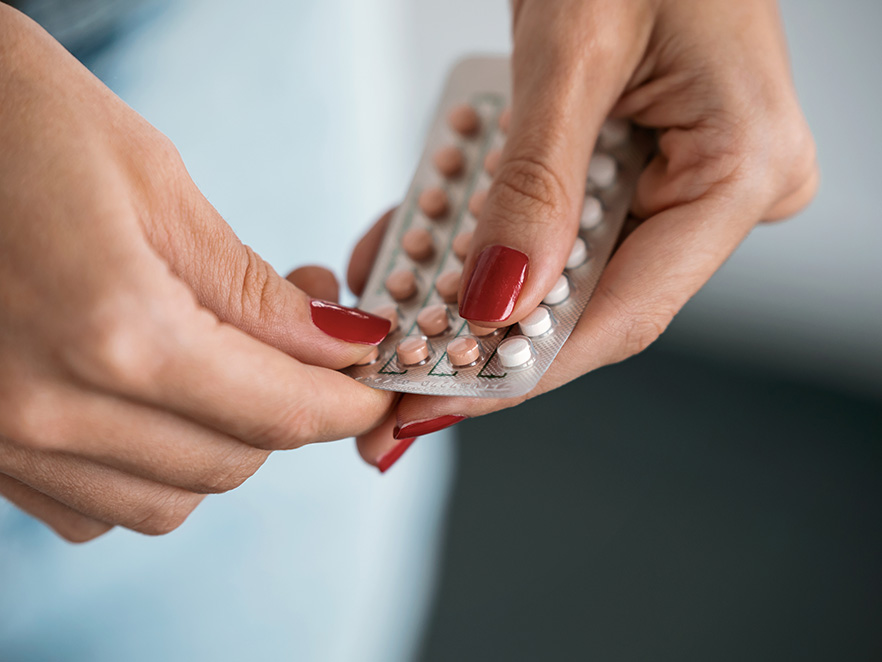
Most forms of birth control are safe if you have T1D, including:
- Pills
- Patches
- Implants
- Shots
- Rings
- Intrauterine device (IUD), hormonal and nonhormonal/copper
The one thing to know is that the estrogen in birth control pills can raise blood sugar a bit, so pills that contain it might not be the best option for you. Try them out, see how they influence your blood sugar, and make adjustments with your healthcare team if you need to, whether that means adjusting your basal (long-acting) insulin dose or trying a new medication that might have a lesser impact on your levels.
One way to tackle this early is to ask about birth control pills with the lowest effective dose of estrogen. Combination pills containing norgestimate are a common recommendation, though depending on your health history, your HCP may steer you away from hormonal options altogether. For that reason, some people with T1D prefer Paraguard.
Paragard, an IUD, is a small device shaped like a letter T with copper wire wrapped around it, and it contains no hormones. Your HCP places it inside the uterus to stop pregnancy, and it can work for up to 10 years.
Everyone reacts differently to birth control. Monitor your blood sugar when starting something new, and tell your healthcare team if you notice any changes.
Type 1 diabetes and celiac disease: watch for medications that contain gluten
People with T1D are more likely to have more than one autoimmune disease, such as celiac disease—a condition where the immune system reacts to gluten and damages the small intestine. About 6% of people with T1D have it, compared to roughly 1% of the general population.
Because of that overlap, healthcare systems often screen for one condition when they diagnose the other. Undiagnosed celiac disease can destabilize blood sugar, lower your insulin needs and even cause weight loss. Symptoms usually ease within a year of going gluten-free, once your gut has time to heal.
This is mentioned in this guide because some medications use starch fillers that can contain gluten. So, if you’re managing both conditions, check labels or ask your pharmacist before starting anything new. Formulas change more often than you’d think. You might be surprised by how much contains gluten, from personal care products to medications and food!
Questions to ask your healthcare team before starting a new med with T1D
A little prep before you leave the pharmacy or the HCP’s office saves you guesswork later.
Here are some questions worth asking before you start a new medication with T1D:
- Does this affect blood sugar, and, if so, in which direction?
- Should I check my blood sugar levels more often for the first week or two of using this medication?
- Does this medication interact with my insulin or anything else I’m taking for diabetes?
- Could this medication affect my CGM readings? If so, do you find that most people using this medication have false readings because of it or are they usually accurate?
- Does this medication contain sugar, alcohol or gluten that I should know about?
Write your answers somewhere you’ll remember them so you won’t have to make anxious calls to your pharmacy or HCP later. This is especially important if you’ll be taking this medicine for a long time. This can help you feel secure and confident when starting a new medication.
When to loop in your healthcare team
You can probably handle most of this yourself once you know what to watch for. Call your healthcare team if a new medication makes your blood sugar chaotic and it doesn’t get better after a few days, if you see ketones or if something just feels off that you can’t quite explain.
Never stop your heart, blood pressure or cholesterol medication because of blood sugar concerns alone without talking to your healthcare team first. For most people, it’s better to keep taking these medicines because the benefits outweigh the risks, and there are ways to change your diabetes management so you can stay on your preferred non-diabetes drugs.
You’re not in this battle alone. Join our Community Apps to connect with other people living with type 1 diabetes!



Author
Beyond Type 1 Editorial Team
Beyond Type 1 is the largest diabetes org online, funding advocacy, education and cure research. Find industry news, inspirational stories and practical help. Join the 1M+ strong community and discover what it means to #LiveBeyond a diabetes diagnosis.
Related Resources

If you’ve ever been to the grocery store and spent a little more time than...
Read more

Cold weather doesn't just mean bundling up before you head outside. If you live with...
Read more

The health risks of nicotine are well known. But what isn’t well known is actually...
Read more