Cold + Flu: What To Do If You Have Type 1 Diabetes
Written by: Beyond Type 1 Editorial Team
6 minute read
October 23, 2026
Medically reviewed by: Leah Ann Lambert, BSN, RN, CDCES
Getting sick can be scary, especially when you or a loved one has type 1 diabetes (T1D). As the body fights off the virus, blood sugar levels can rise, causing rapid and dangerous highs. When you’re not feeling well, you may also find it hard to keep fluids down or even eat, which can cause you to go too low. You may find yourself riding that unsavory blood sugar rollercoaster.
Then there’s the issue of medicine—what to take and how to dose it if needed. There’s a lot to consider, but rest assured! We’ve talked with healthcare providers (HCPs) about what’s recommended for planning and the protocol if you or your loved one gets sick while living with T1D.
While this season brings challenges to staying healthy, this guide explores some helpful tips for getting through a cold or flu with T1D.
What’s the difference between a cold and flu?
First things first—breaking down the differences between a cold and flu. A cold is a milder respiratory infection than the flu. While both can cause a sore throat, cough, runny nose and congestion, the flu usually includes body aches and fever and lasts much longer than a common cold.
As someone with T1D, or as a caregiver of someone with T1D, you should plan so you’re ready not only for the cold, a common and frequent ailment, but also the more unruly cousin—the flu, who outstays his welcome and can cause serious havoc if left unchecked.
The first and most important thing you can do to make sure they never get through “the door” is to get your annual flu shot. Second, stay clean and sanitary—wash your hands and don’t touch your face!
How to create your sick day plan
When you’re sick, your body can respond to insulin differently. Having a sick day plan in place before you need it means you’re not scrambling when you feel your worst. Work with your HCP to build a sick day plan that fits your body and routine, so you can spot changes early and act fast.
Here are some things you should consider to craft your sick day plan with T1D:
- Lists of recommended medications you can take to alleviate certain symptoms. Some medications can increase blood sugar.
- Your healthcare team’s contact info and when/where they can be reached during regular hours, as well as on holidays or off days.
- A plan of action (if/then scenarios), how often you should check your blood sugar, when to take insulin and when you should contact your HCP.
- When to seek urgent care—decide this with your healthcare team. Never wait to see a HCP if something feels very off or wrong. While urgent care or emergency room visits can be costly, nothing is more important than your health and peace of mind that you’re okay.
Remember—your sick day plan is a tool, not a rumination list.
Stock up on sick day food and drinks
Stay hydrated and nourish your body while you’re sick, which can be hard when you don’t want to eat or drink.
Here are some helpful foods and drinks to keep in stock, just in case the flu or a cold hits your home this season:
- Diet, clear sodas without caffeine
- Clear broths
- Sugar-free popsicles
- Saltines
- Glucose gel (fast-acting to treat lows)
- Low-calorie sports drinks (for fast-acting sugars and electrolytes)
- Regular ginger ale
- Cereals (like oatmeal)
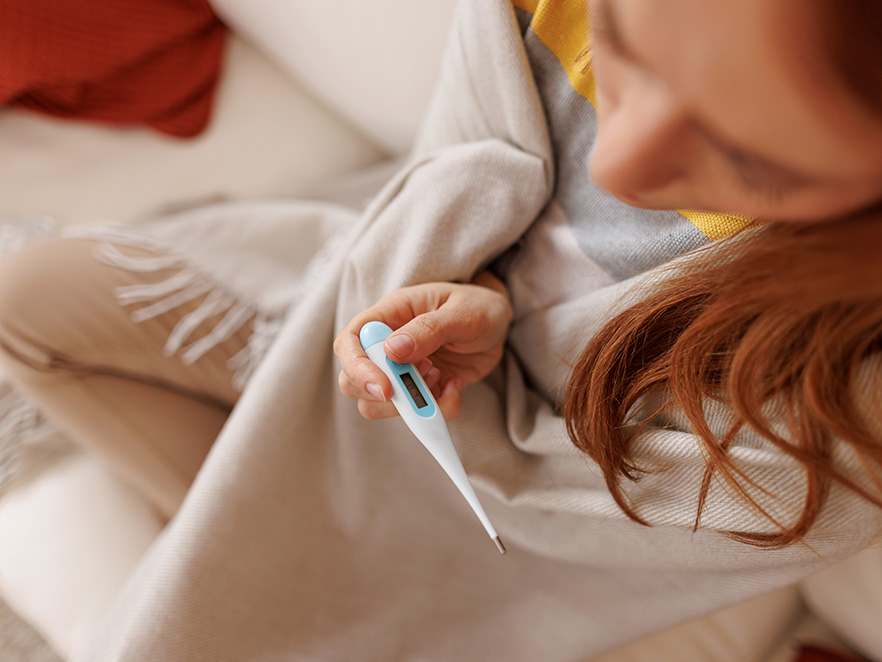
Keep sick day essentials, diabetes meds + supplies in stock
If you live alone and don’t have someone to help you during a sick period, it’s especially important to keep your diabetes medications and supplies in stock at home. You never know when going to the pharmacy may feel unmanageable. Even ordering prescriptions online through your durable medical equipment (DME) provider can feel like a daunting task when you’re sick!
For sick days with diabetes, make sure you have these and other important sick day essentials like:
- Glucagon kit (nasal spray, auto-injector, or syringe and vial)
- Ketone strips/meter
- Thermometer
- Tylenol* (or acetaminophen) for fever
- Cold/flu medication
*Warning: Tylenol (acetaminophen), a fever and pain reducer, is known to interfere with Dexcom continuous glucose monitor (CGM) readings at certain doses. Try another recommended pain or fever reducer or rely on regular blood sugar testing with your blood glucose meter (BGM) for accuracy.
What to do if you do get a cold or flu with T1D
Look—it can happen even if you get a flu shot! Getting sick is a normal part of life. And while it’s not fun in the moment, remember you’re building immunity and can work through it.
If you come down with a cold or the flu this season, do three things right away:
- Stay hydrated: Drink plenty of fluids to prevent dehydration. Ask your HCP how much to drink if you have heart or kidney problems.
- Stay nourished: Eat 15g of carbs every hour if you are running low (frequent testing should tell you, though).
- Stay vigilant about your blood sugar: Check your blood sugar at least every four hours while you are sick, or follow your HCP’s instructions. Check ketones as directed in your sick-day plan.
When you’re fighting off an infection, your blood sugar tends to run a little higher, thus necessitating more insulin than usual. But if you’re severely dehydrated, are vomiting or are simply unable to eat, your blood sugar may drop. Also, aspirin in large doses can lower blood sugar while decongestants can raise it.
The bottom line: check your blood sugar more often when you’re sick, and always read your labels.
If your cold or the flu persists, do these three things next:
- Make sure you aren’t in diabetic ketoacidosis (DKA): Check for ketones if your blood sugar is 250 mg/dL (13.9 mmol/L) or above. Call your HCP if it shows any ketones. Ketones can happen even when blood sugar levels seem normal.
- Check your temperature regularly: Call your HCP if you have a fever over 101 degrees Fahrenheit that lasts 24 hours.
- Take your prescribed medication: When choosing between pills and syrup, choose pills because pills are less likely to have carbs. Some syrups are sugar-free, so always check the label and dose insulin accordingly. Even if it’s not food, you still have to dose for meds if they have carbs!
The flu sucks and you can handle it with diabetes!
You can treat the flu with antiviral prescription medications that can ease symptoms and shorten the duration of your illness, such as oseltamivir (Tamiflu). For best results, contact your HCP as soon as you notice symptoms, as treatment is most effective when started right away.
Sick days with diabetes are no fun. Connect with a community that truly understands by downloading our Community Apps!



Author
Beyond Type 1 Editorial Team
Beyond Type 1 is the largest diabetes org online, funding advocacy, education and cure research. Find industry news, inspirational stories and practical help. Join the 1M+ strong community and discover what it means to #LiveBeyond a diabetes diagnosis.
Related Resources

When you think about Halloween and live with type 1 diabetes (T1D), the first thoughts...
Read more

Running a marathon with type 1 diabetes (T1D) is more than just tracking miles. You’ll...
Read more

Crossing the finish line of a marathon is a dream for many, and completing one...
Read more