PROGRAM
Beyond Barriers
Diabetes affects millions—but it doesn’t affect everyone equally.
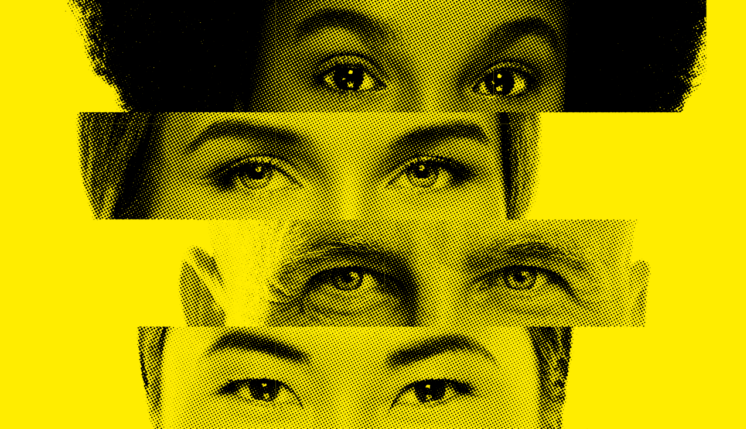
Diabetes affects millions, but it doesn’t affect everyone equally.
Black and Brown communities face higher rates of type 2 diabetes and experience greater barriers to diagnosis and care. Type 1 diabetes is less common, but misdiagnosis and delayed treatment in these communities are far too frequent. While the overall number of T1D cases is rising across all racial and ethnic groups in the U.S., the prevalence of the disease continues to be highest among non-Hispanic white populations.
Knowing the signs and getting tested can save your life, or the life of someone you love.
See The Signs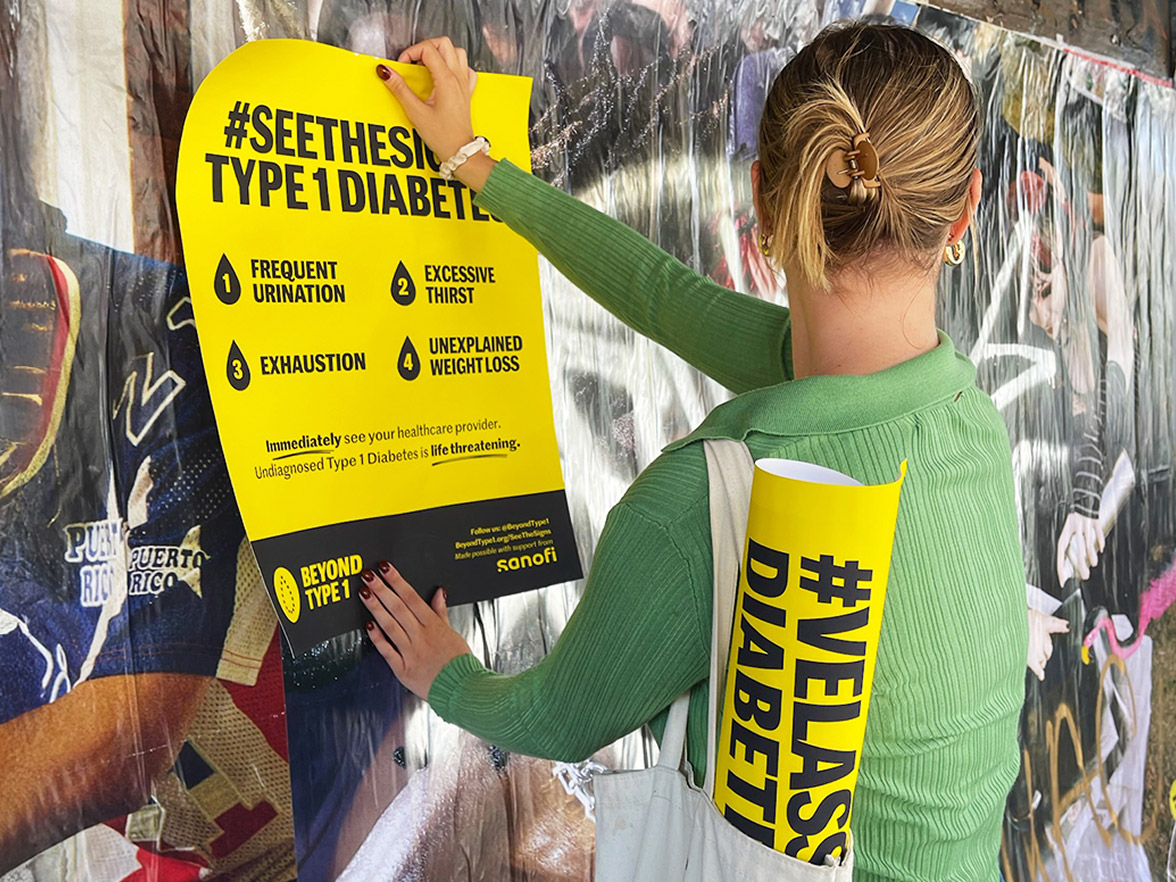
What are the warning signs of diabetes?
The four primary warning signs of type 1 diabetes are:
- Frequent Urination
- Increased Thirst
- Exhaustion
- Unexplained Weight Loss
If you #SeeTheSigns in yourself or anyone you know, see a health care provider right away and get a simple blood sugar check.
Impact of Diabetes in Black and + Communities
Diabetes disproportionately affects Black and Brown communities due to a combination of genetic, socioeconomic, and systemic factors. Limited access to healthcare, healthy foods, and culturally competent care contribute to higher prevalence and worse outcomes.
4.8 in 1000
The prevalence of type 1 diabetes is 4.8 per 1,000 in non-Hispanic Black adults.
4 in 1000
The prevalence of type 1 diabetes is 4.0 per 1,000 in Hispanic Black adults.
4x
In 2020, non-Hispanic Black adults were admitted to the hospital for challenges with type 2 diabetes management at nearly four times the rate of non-Hispanic White adults.
Nearly Double
12.1% of non-Hispanic Black adults and 11.7% of Hispanic adults have type 2 diabetes—nearly double the rate of non-Hispanic White adults (6.9%).
Diabetes Self Assessment Tool
This "Take Action: Know Your Risk" tool is a self-assessment questionnaire designed to help individuals evaluate their personal risk for diabetes. Its primary purpose is to raise awareness about the signs, symptoms, and risk factors associated with diabetes, and to encourage early consultation with a healthcare professional for those who may be at moderate or high risk of diabetes.
Related Resources
Healthcare
Tips for Managing Diabetes Without Health Insurance
Healthcare
Your Complete Guide to Insulin Copay Cards
Healthcare
Health Insurance 101: Navigating Appeals, Denials + Prior Authorizations
Healthcare
Medicare Benefits For People With Diabetes In 2026

Prediabetes
What is the Free Medicare Diabetes Prevention Program?
Read more
Healthcare
What To Do If Insurance Won’t Cover Your Insulin Or CGMs For Type 2 Diabetes
Read more

Healthcare
Out of Pocket Cost For Your Insulin Just Change? It's Your Insurance Formulary
Read more
Healthcare
Lost In Translation: Diabetes Care In A Language That Isn’t Yours
Read more

Healthcare
Doctor Says No to Diabetes Tech? Here’s How to Advocate for Access
Read more

Nutrition
The Convenience Store Diabetes Plate: What To Eat When “Healthy” Isn’t Available
Read more

Nutrition
Carbs, Calories + Fat From Your Favorite Fast Food Chains
Read more

Related Programs
Innovation Accelerator Grants
Beyond Type 1's grant program funding innovators in the diabetes community.
Beyond Ambassadors
The Beyond Ambassador program is a way for people living with diabetes to connect, influence...
Beyond Diagnosis
A free beginner's guide to thriving with diabetes.
Get Insulin
Connecting people with diabetes in the US to affordable insulin options that fit their needs.
Community Apps
Join the community app—a safe space for those with diabetes to connect and share experiences.
Type 2 Community
Join the Beyond Type 2 Community, a safe space for those with type 2 diabetes...
Community Table
Every month, all year long, Beyond Type 1 hosts conversations around under-discussed issues facing the...
Beyond Scholars
Marathon Team
80 runners—all impacted by diabetes—take on the NYC Marathon.
See The Signs
Help save lives by sharing a simple message: See the signs of diabetes.
Program Sponsors
Beyond Barriers, a Beyond Type 1 program, is supported by the following sponsors: