How Your Menstrual Cycle Messes With Your Blood Sugar
Written by: Katherine Gilyard
4 minute read
August 11, 2026
You counted your carbs. You dosed correctly. You did everything right. And your blood sugar is still climbing for no reason you can find.
If you menstruate and have diabetes, the reason might be sitting right on the calendar. Research shows that hormone shifts across your menstrual cycle can change how your body responds to insulin—sometimes significantly.
Let’s talk about why it happens, what it looks like and what you can actually do about it.
What’s actually happening to your blood sugar during your cycle?
A typical menstrual cycle runs about 28 days and is driven by shifts in two key hormones: estrogen and progesterone. During the first half of your cycle—the follicular phase—hormone levels are relatively stable and insulin tends to work the way you expect. Then you ovulate. In the second half—the luteal phase—progesterone surges, and that’s where things can get unpredictable.
Progesterone is the main driver. Higher progesterone levels are associated with increased insulin resistance, meaning the same dose of insulin may not lower your blood sugar as effectively as it did two weeks ago. A 2023 systematic review of 14 studies on the menstrual cycle and type 1 diabetes found that a subset of people experienced worsening glycemic control and higher insulin resistance during the luteal phase. Researchers described it as a “menstrual cycle phenomenon”—similar to the dawn phenomenon but tied to your cycle instead of your sleep.
Then, when your period starts and hormone levels drop, insulin sensitivity can swing back sharply. For some people, that means unexplained lows in the first few days of menstruation.
Why doesn’t your care team talk about this?
Diabetes care has historically centered cisgender male bodies as the default. Reproductive health and diabetes management are generally treated as separate conversations, often by separate specialists. Unless you bring it up, your healthcare provider may never ask about your cycle—and if they don’t know about the pattern, they can’t help you manage it.
How you can track the pattern between your blood sugar and your cycle
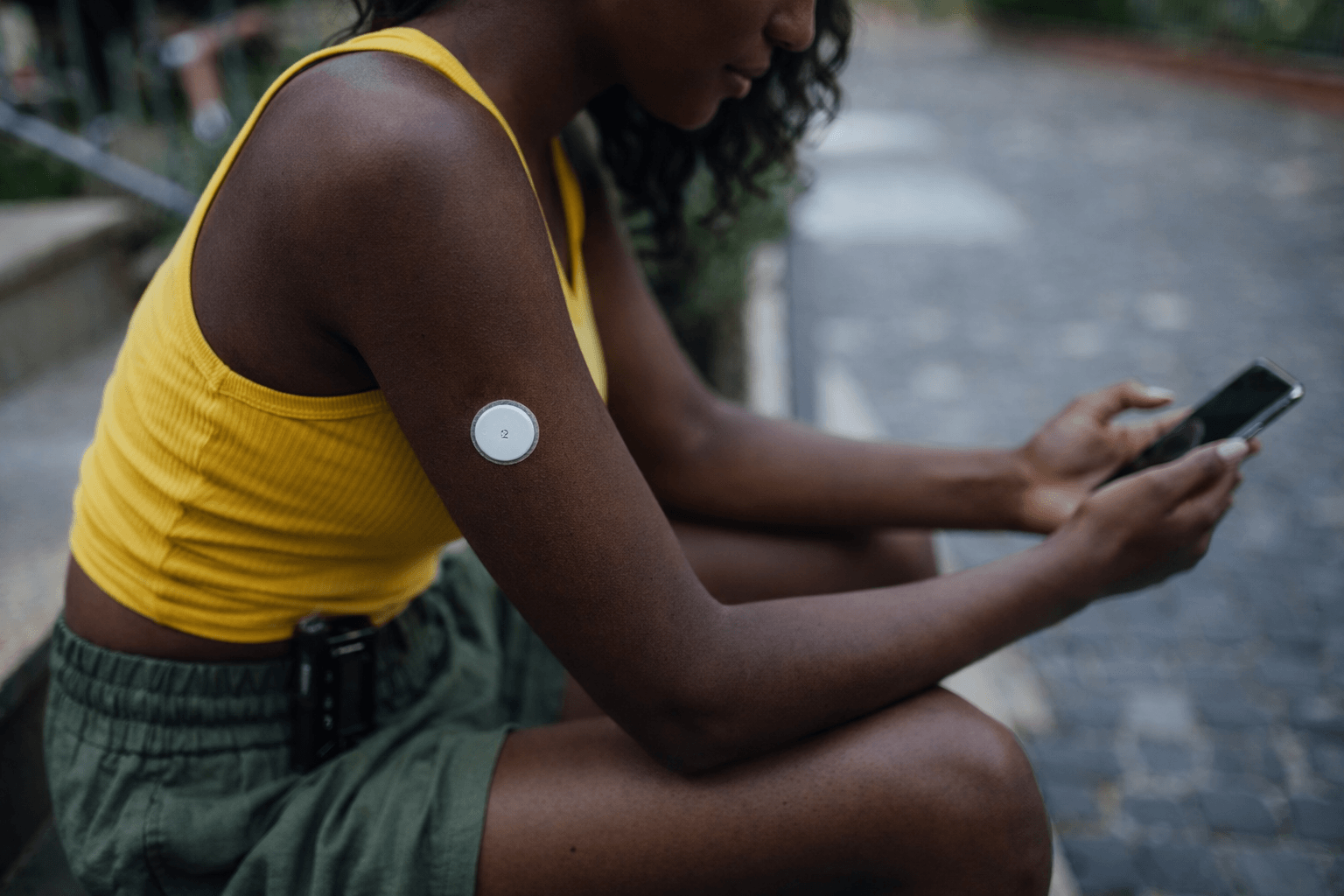
The first step is connecting two sets of data you’re probably already collecting separately: your blood sugar and your cycle. If you use a continuous glucose monitor (CGM), you already have weeks of glucose data. Pair that with a period tracking app like Clue, Flo or even a simple calendar and start looking for patterns across two to three cycles.
Here’s what you’re watching for:
- Do your blood sugars trend higher in the week or two before your period?
- Do you see more unexplained highs that don’t respond to your usual correction doses?
- Do your numbers drop in the first few days of menstruation?
- Are your overnight numbers different in the luteal phase than the follicular phase?
Two to three months of overlapping data is usually enough to see whether your cycle is a factor.

What can you do about it?
Once you identify the pattern, you can work with your healthcare team to adjust for it. Research suggests that changing meal boluses and the insulin sensitivity correction factor during the luteal phase—rather than adjusting basal insulin alone—may be more effective, since some studies found the worsening was more pronounced after meals.
If you use an insulin pump, some people set a separate basal profile for the luteal phase and switch between them based on their cycle. If you’re on multiple daily injections, talk to your healthcare provider about temporarily adjusting your correction factor during the days you typically run high.
Regardless of your insulin delivery method, the key is to bring your data to the conversation. A CGM report overlaid with your cycle dates gives your healthcare provider something concrete to work with.
What about birth control?
Hormonal birth control adds another layer. Estrogen-containing methods like combination pills can slightly raise blood sugar or affect insulin resistance. Progestin-only methods like the mini-pill, hormonal IUDs and the implant introduce synthetic progesterone, which can mimic the luteal-phase effect you may already be managing. The CDC notes that people with diabetes can use most forms of birth control but should monitor blood sugar more closely when starting or switching methods.
If you’re already dealing with cycle-related blood sugar swings, it’s worth asking your provider how your contraceptive method might be contributing. A copper IUD, which doesn’t use hormones, won’t affect insulin sensitivity but it can make periods heavier, which comes with its own management considerations. There’s no one-size-fits-all answer. But there should be a conversation.
The bottom line
Your menstrual cycle is a glucose variable. It belongs in the same conversation as carbs, exercise and stress—and your healthcare team should be treating it that way. If yours isn’t, bring it up. Track the pattern, bring the data and ask for a plan. Your blood sugar isn’t broken. Your body is doing exactly what hormones tell it to do.



Author
Katherine Gilyard
Katherine Gilyard is a DC-based multimedia journalist, producer and communications strategist with over a decade of experience at the intersection of health equity, disability and community-centered storytelling. Her reporting has appeared in STAT News, The 19th News, Beyond Type 1, Breastcancer.org, and GoodRx, and has been recognized with two NABJ Salute to Excellence Awards and the Harriet McBryde Johnson Award for Nonfiction Writing from the Autistic Self Advocacy Network. She most recently served as story producer and writer on "Dual: The True Cost of Care," a Webby-nominated documentary podcast series on Medicare and Medicaid dual eligibility. For Beyond Type 1,... Read more
Related Resources
If you would like to better support a friend or family member who is living...
Read more

Topic sensitivity warning: This guide mentions suicide and mental health challenges. Please read it at...
Read more

You might think one of the first steps after a type 2 diabetes (T2D) diagnosis...
Read more