Diagnosed With Type 1 Diabetes in a Rural Area? These Resources Can Help
Written by: Katie Gorman
8 minute read
June 9, 2026
The latest research shows rural populations have higher diabetes prevalence and mortality rates.
According to the 2020 US Census, approximately 20% of the US population lives in a rural area.
Living with diabetes in rural areas means access to fewer specialists and longer distances to care. And with limited access, that often comes with delayed diagnosis and management.
So where do you even begin to find the care and support you need?
In this article, we dive into why diabetes screening and early detection matter, what to do if you have been diagnosed in a rural area, and resources that can help.
Why diabetes screening and early detection matters
A common misconception is that type 1 diabetes occurs suddenly. However, it actually develops over time through three identifiable stages:
Stage 1 – Autoimmunity
- Normal blood sugar levels
- No symptoms
- Detectable via a simple autoantibody screening test
Stage 2 – Dysglycemia (glucose intolerance)
- Blood sugar levels begin to rise slightly
- No symptoms
- Beta cell function can be measured with a C-peptide test
Stage 3 – Clinical diagnosis
- Blood sugar levels become high enough to produce symptoms.
- The body is no longer producing enough insulin to regulate blood sugar effectively.
- Common symptoms may include frequent urination, increased thirst, blurred vision, fatigue, and unexplained weight loss.
Most people are diagnosed in stage 3 when symptoms appear and when you’re at risk for diabetic ketoacidosis (DKA).
It’s not uncommon for people to remain in early stages of type 1 diabetes for months or even years before symptoms appear, when you still have beta cell function. That’s why early detection is so important rather than waiting until later stages.
Detecting diabetes earlier can also prevent life-threatening events like DKA) or even allow you to participate in prevention trials designed to delay the progression of your diabetes.
What to do if you’ve been recently diagnosed in a rural area
A type 1 diagnosis can feel overwhelming anywhere, but living in a rural area is especially challenging with long travel distances to appointments, fewer specialists, and limited access to diabetes education programs.
Setting yourself up with an effective care plan ensures you can:
- Find a knowledgeable care team to help manage your treatment with you
- Learn through ongoing education
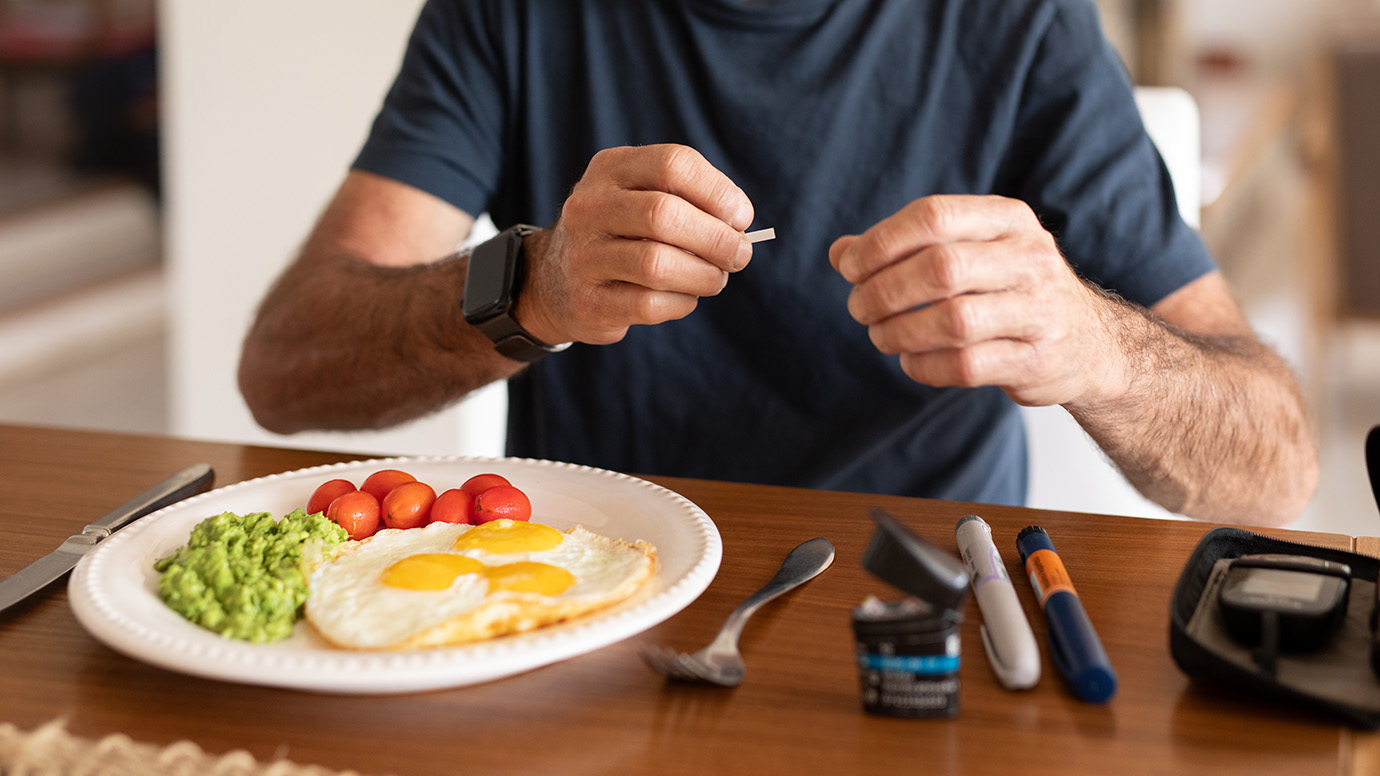
- Gain access to glucose monitoring technology
- Surround yourself with community support
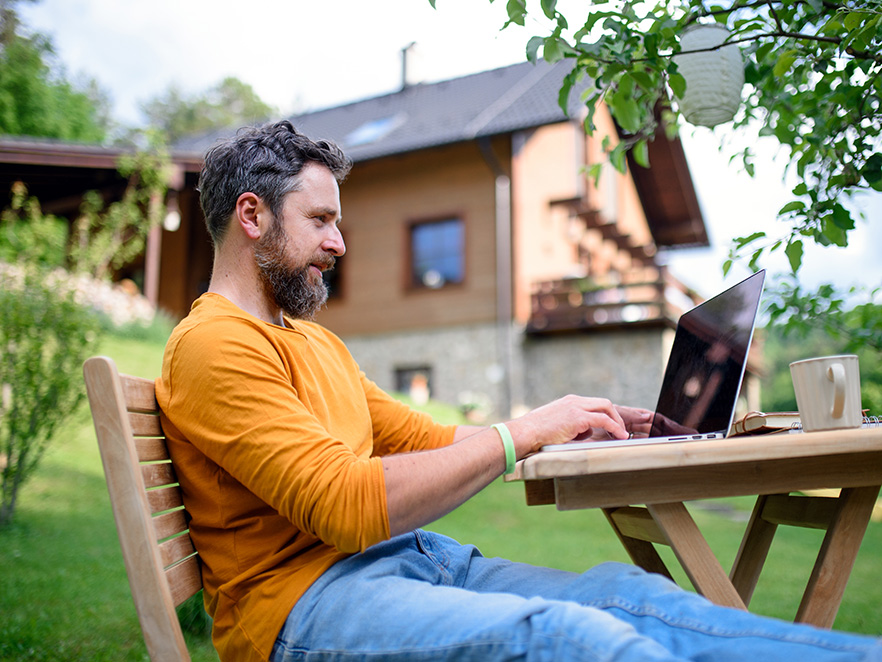
Today, thanks to technology, you can receive the diabetes care you need almost anywhere in the world as long as you have a WiFi connection.
Diabetes resources that can help if you live in a rural area
Developing a tailored support plan can help you feel empowered, grounded and allow you to handle whatever life throws your way after a diabetes diagnosis. These resources can help you get started.
Tele-endocrinology providers
If you don’t have access to an endocrinologist nearby, tele-endocrinology clinics allow you to meet with diabetes specialists through virtual visits so you never have to leave your home.
Platforms like Telemed2u or hospital-based telehealth programs allow your healthcare provider to review your CGM, revealing patterns and allowing for insulin dose adjustments during your appointment.
Search “online endocrinology appointment” in Google or other search engine and you’ll be able to sort through hundreds of online platforms to find one that fits your needs.
You may also be able to speak to the endocrinology department nearest to you and see if they offer telehealth support.
Online and in-person diabetes education programs
Diabetes self-management education and support (DSMES) programs walk you through the day-to-day skills of living with type 1 diabetes. They help you navigate things like:
- How to dose insulin
- How to count carbohydrates
- Help managing high or low blood sugar
You can find accredited programs through the American Diabetes Association or ADCES. Just go to the website and search for the program that best fits your schedule. Many now offer virtual classes so you can attend from anywhere.
CGM training resources
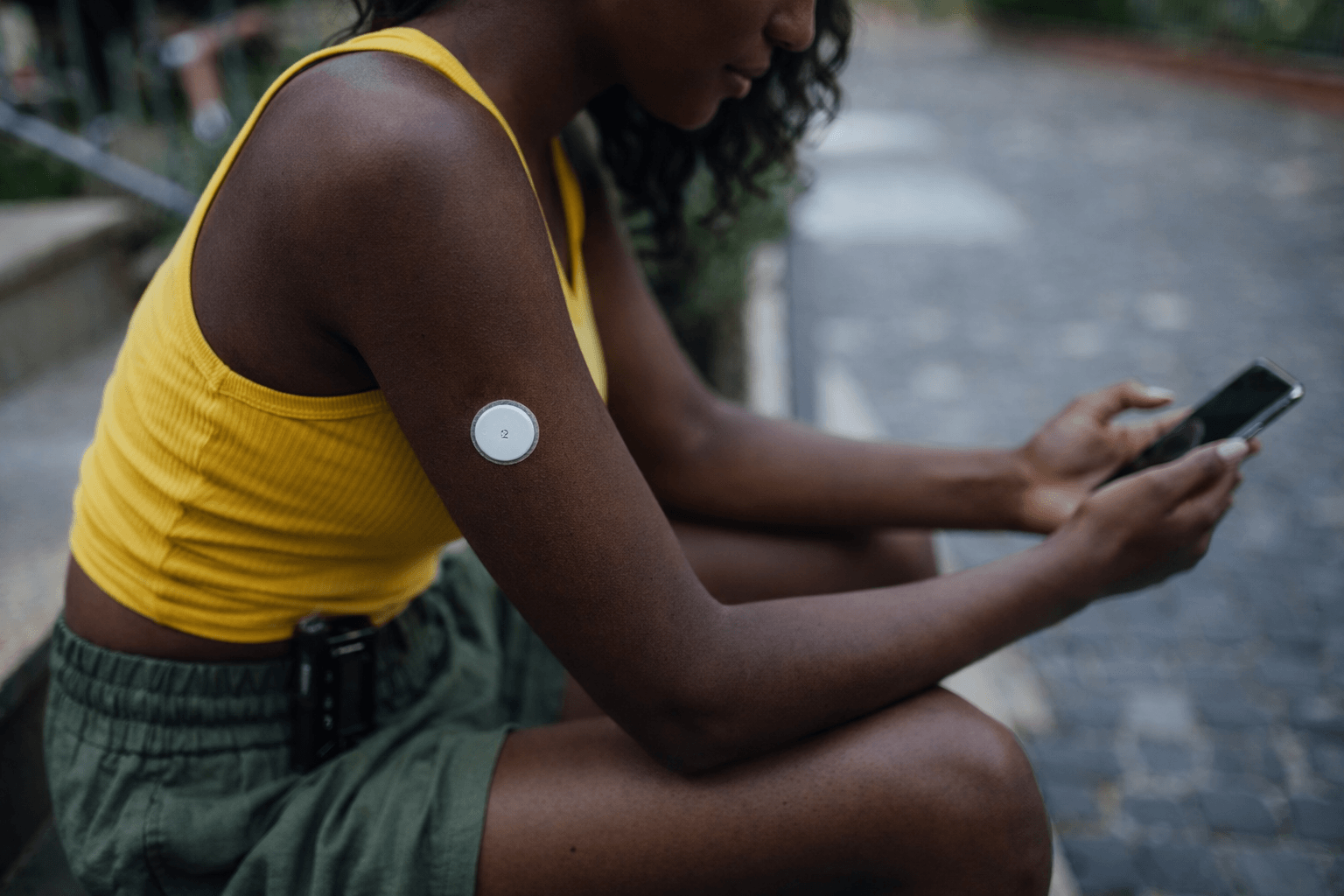
Continuous glucose monitors (CGMs) are powerful tools, but understanding alerts, trend arrows and patterns takes practice.
Companies like Dexcom and Abbott (FreeStyle Libre) offer step-by-step training videos and virtual onboarding sessions to help you and make the most of your diabetes tech and learn how to interpret your data—making daily decisions more confidently.
If you’re using a different CGM, review the training resources provided by your device manufacturer. Most offer tutorials through their website or app. To start, focus on learning what your trend arrows mean, how to respond to high and low alerts, and how to identify patterns over time.
Don’t expect to get it right away! As with all technology, there’s a learning curve. Be kind to yourself through the process.
And don’t forget, you can also review your data with your healthcare provider or diabetes educator to better understand how your daily habits impact your glucose levels.
Online support communities
Online communities can connect you with people who understand what you’re going through. If you live in a rural area, there might not be many—or any—other people living with diabetes in your zipcode. But platforms like the Beyond Type 1 Community App allow you to ask questions, share experiences and learn practical tips from others managing diabetes in real life.
You may also find support through social media groups, where people share day-to-day insights, encouragement and lived experiences that can complement guidance from your healthcare team.
If you’re not sure where to start, try searching for diabetes groups on platforms you already use, like Facebook or Reddit. Start by reading posts, then ask a simple question or share your own experience—you don’t have to jump in all at once. Over time, these spaces can become a valuable source of support, practical tips and connection.
Early detection screening programs
Getting screened for type 1 diabetes to detect early-stage disease before symptoms appear usually requires a simple blood test.
These tests help healthcare providers identify diabetes-related autoantibodies, helping you understand risks and, with ongoing support, potentially reduce the chance of being diagnosed during a medical emergency like DKA.
Autoimmunity Screening for Kids (ASK) is a great resource for rural residents that offers no-cost screening for all U.S. residents between the ages of one to 17. They can help you find testing, support and resources through their nationwide network of local labs, community events or via at-home kits, depending on your location.
Rural telehealth networks
Some regions offer coordinated telehealth programs specifically designed for rural communities. These networks may connect you with primary care providers, diabetes educators and specialists through one system, eliminating patchwork healthcare. They may help with referrals, follow-ups, and ongoing care without requiring long-distance travel.
Contact your local clinic or state health department to find out if any of these programs are available.
Patient advocacy groups
Organizations like ADCES, Breakthrough T1D, and the Beyond Type 1 community provide tools and resources to help you navigate insurance as well as access diabetes technology to better understand your healthcare options.
If you’re having trouble accessing insulin, diabetes technology or care, these organizations offer tools like insurance guides, affordability programs, as well as community support to help you navigate your options.
Visit their websites as a good starting point to find out what resources are available in your area.
Remember: You are not alone or limited by where you live
Although a type 1 diabetes diagnosis is life-changing, it’s highly manageable no matter where you live.
Living in a rural area may require a different approach to care, but it doesn’t mean you have limited options. With the right resources and support, you can take control of your health, build a strong care team and confidently manage diabetes on your own terms.
Ready to connect with a community that gets what you’re going through? Join the Beyond Type 1 community app!

Author
Katie Gorman
Katie is a former paramedic turned health and wellness copywriter with over a decade of experience in emergency medicine. Her past career allowed her to train healthcare teams using high-fidelity medical simulation. Today, she focuses on improving health literacy through clear, accessible health communication to create a world where being healthy feels achievable to everyone. When she’s not writing, you can find her at the peak of a mountain, and most definitely snowboarding her way down in the winter months. Growing up in a landlocked state she developed a knack for surfing. She grooves to anything from the 70’s and loves... Read more
Related Resources

This article references in-kind partners supporting the Beyond Type Run team on race day. The...
Read more
Managing stress is an important part of caring for your overall well-being when living with...
Read more
If you would like to better support a friend or family member who is living...
Read more