GLP-1 + Diabetes
What they are, how they work + what to ask your healthcare provider
GLP-1 medications are a class of drugs used to manage blood sugar in type 2 diabetes, support weight loss and protect heart, liver and kidney health. This guide breaks down how they work, who they're for, what to expect when starting one and how to talk to your care team.
Not All GLP-1s Are Created Equal
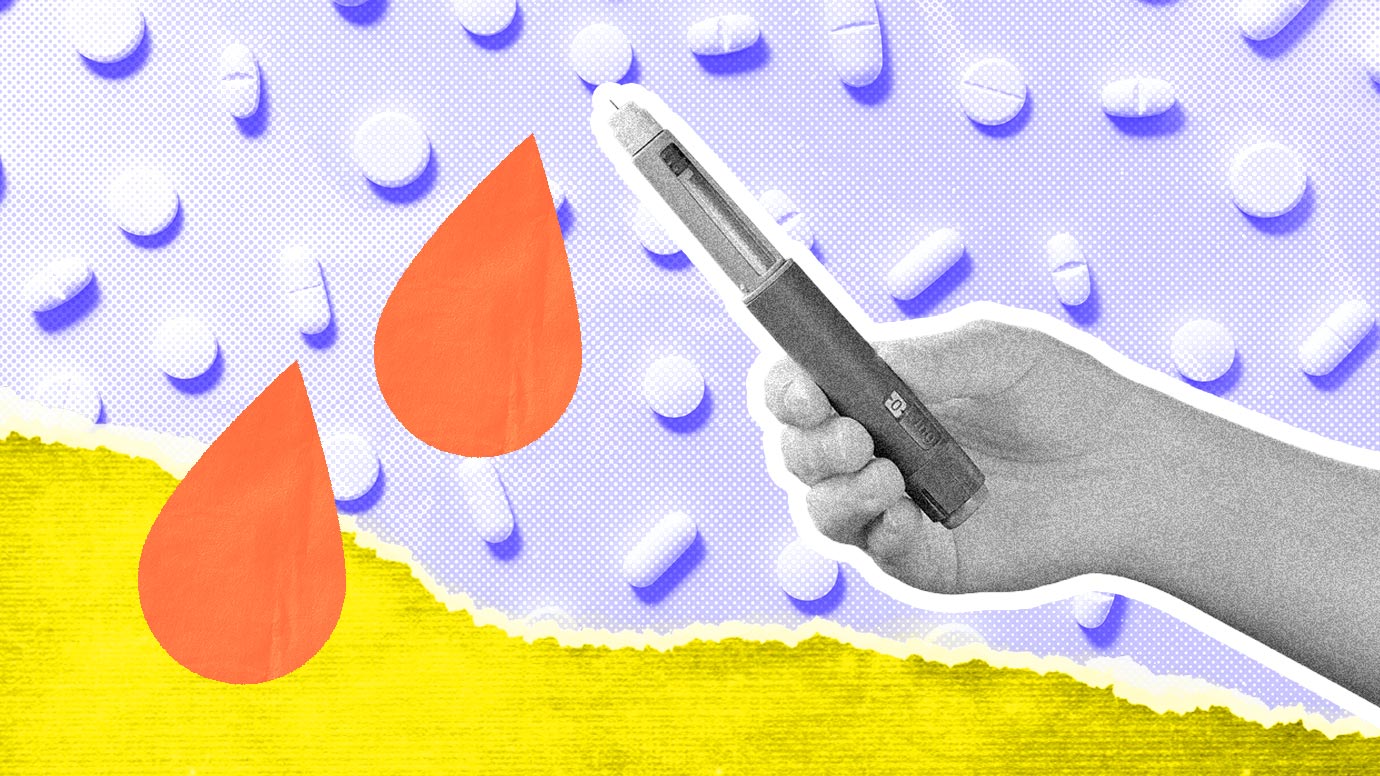
GLP-1 medications are some of the most talked-about drugs in diabetes + weight management, backed by decades of research. But not all GLP-1s work the same way. See how they compare—how they’re taken, what they treat and what results to expect.
What Is a GLP-1 + How Does It Work?
GLP-1 is a hormone your gut makes on its own after you eat. It tells your pancreas to release insulin, slows down digestion and signals your brain that you're full. GLP-1 medications copy this hormone, giving you a stronger, longer-lasting version of what your body already does.
Glucagon-like peptide-1 (GLP-1) medications have become some of the most talked-about drugs in diabetes and weight management, and for good...
Read more
So you just picked up your GLP-1 prescription. Now what? The first few weeks come with big adjustments to your...
Read more
Not all GLP-1s work the same way. See how they compare – how they’re taken, what they treat and what...
Read more
Is a GLP-1 Right For Me?
GLP-1s were first developed for type 2 diabetes, but research now shows benefits for heart, liver and kidney health too. They aren't approved yet for type 1 diabetes, but a growing body of evidence and a new consensus statement support considering them for some adults and teens with T1D.
Almost everywhere you turn, GLP-1 medications are showing up in the news. If you’re trying to figure out if a...
Read more
For years, people living with type 1 diabetes (T1D) have experienced insulin resistance, burnout, frustrating high blood sugar levels, weight...
Read more
Dr. Robert “Bob” Gabbay, MD, PhD, is an associate professor of medicine at Harvard Medical School, an endocrinologist at the...
Read more
How Do I Access a GLP-1?
Getting a GLP-1 starts with a conversation, not a prescription. Ask your healthcare provider if it's a fit for your goals. If they agree, insurance, prior authorization or savings programs may add a few steps before you get started.
Diabetes is a lot to manage, and you shouldn’t have to do it without support. GLP-1 and GLP-1/GIP medications can...
Read more
Your GLP-1 or GLP-1/GIP prescription is filled, and now it’s time to pay for it. Your mind might be racing...
Read more
Glucagon-like peptide 1 receptor agonists and combination medications (GLP-1s) can be an effective tool in diabetes and weight management. However,...
Read more
What Should I Know Once I'm on a GLP-1?
Most side effects like nausea, vomiting, diarrhea and constipation show up early and ease over time. Starting at a low dose, eating smaller meals and staying hydrated all help. If your GLP-1 isn't working, don't worry. You might just need a dose adjustment or a medication switch. Talk to your healthcare provider before making any changes.

Common Questions About GLP-1
What is a GLP-1?
GLP-1 is a hormone your body makes in your gut after you eat. It triggers insulin release, slows digestion and helps you feel full. GLP-1 medications copy this hormone for a stronger, longer-lasting effect.
What's the difference between a GLP-1 and a GLP-1/GIP dual agonist?
Dual agonists like Mounjaro and Zepbound target GLP-1 and a second hormone called GIP. This combination tends to deliver stronger results for blood sugar control and weight loss than a GLP-1 alone.
What GLP-1 medications are available?
Common options include Ozempic, Wegovy, Mounjaro, Zepbound, Trulicity, Victoza, Saxenda and Rybelsus, plus newer options like Foundayo. They come as weekly or daily injections or as daily pills.
Who are GLP-1 medications for?
GLP-1s are FDA-approved for type 2 diabetes and, depending on the medication, for weight loss, heart disease risk reduction, sleep apnea, chronic kidney disease and certain liver conditions. Your healthcare provider can confirm whether you meet the criteria for a specific medication.
Are GLP-1 medications approved for type 1 diabetes?
Not yet, but evidence is building. A recent consensus statement supports considering a GLP-1 for some adults and teens with type 1 diabetes who are living in a larger body or aren’t meeting blood sugar goals on insulin alone. This always requires ongoing insulin use and close monitoring with your care team.
Who shouldn't take a GLP-1?
People with a personal or family history of medullary thyroid cancer or Multiple Endocrine Neoplasia type 2 (MEN 2) should not take a GLP-1. Talk to your healthcare provider if you have a history of pancreatitis, gastroparesis, gallbladder problems or if you’re pregnant or breastfeeding.
How do I get access to a GLP-1?
Talk to your healthcare provider about your health goals and ask if a GLP-1 is a good fit. If they agree, they’ll send a prescription to your pharmacy. Insurance coverage, prior authorization and manufacturer savings programs can all affect what you pay.
What forms do GLP-1 medications come in?
GLP-1s come as injections (daily or weekly) or oral tablets. Some pills, like Rybelsus and Wegovy, must be taken on an empty stomach first thing in the morning. Foundayo is a newer pill that you can take any time of day.
What are the most common side effects of GLP-1s?
Nausea, vomiting, diarrhea and constipation are most common, especially when starting or increasing your dose. They’re usually not severe and tend to ease up over time.
How can I manage GLP-1 side effects?
Eat smaller, more frequent meals, avoid high-fat foods, stay hydrated between meals and increase your dose slowly with your healthcare provider’s guidance. Prioritizing protein and staying active also helps protect muscle and bone mass.
Will insurance cover my GLP-1?
It depends on your plan and diagnosis. Some plans cover certain brands but not others. Check your insurance’s drug cost tool, and if you’re denied, ask your healthcare provider about a covered alternative or a manufacturer discount program.
What if I can't afford my GLP-1?
Manufacturer discount programs and self-pay options like LillyDirect or NovoCare can help if your diagnosis doesn’t meet your insurance’s coverage criteria. Avoid compounded or third-party versions—they aren’t FDA-approved and carry safety risks.
Why might my GLP-1 not be working?
The most common reasons why a GLP-1 might not be working for you are dosing is inconsistent/incorrect, you are using a compounded non FDA approved version, or your diet and exercise aren’t optimized. GLP-1s aren’t one-size-fits-all, and it can take some trial and error. Be sure to have a conversation with your HCP.
What should I do if my GLP-1 isn't working?
Confirm you’re filling your prescription at an approved pharmacy, taking it as directed and only using one GLP-1 at a time. Talk to your healthcare provider about adjusting your dose, switching medications or getting a referral to a registered dietitian.
Join The Conversation
Anyone can develop diabetes, even Ghostface. Get screened this Screen-o-ween.
#diabetesawareness #t1dlookslikeme #scream


I see myself in this confession
All the type B T1Ds please stand up 🙋🙋♀️🙋♂️

We`re back, bolus buddies, and this time we`re in Chicago at the Adler Planetarium 🪐 If you`re in the Chicagoland area on November 7 from 6 - 8:30 pm and want to join us, comment MEETUP and we`ll send you the link!

Ever wondered if you`re still single because of your diabetes?
More anonymously submitted diabetes confessions from YOU 👀 Honesty Hour Szn 2 is back!!

Meet Kenny 💛 A dancer turned marathon runner living with T1D
What’s one way you challenge diabetes stigma?
Shout out to @dexcom, our Founding, Presenting Partner of Beyond Type Run

Comment ACT to contact your representative about the INSULIN Act. 1 in 4 people ration insulin, a medication they cannot live without. Every person with diabetes deserves affordable access to insulin. The INSULIN Act is one important step to make that happen.
As members of @diabetespac and the Diabetes Leadership Council, we support the INSULIN Act and all efforts to make insulin affordable.
If you or someone you know is struggling to afford insulin, find what cost-saving options are available to you at getinsulin.org
Source: Crawford, S. (2025, November 5). Insulin rationing persists despite policy changes, study shows. Yale School of Medicine. https://medicine.yale.edu/news-article/insulin-rationing-persists-despite-policy-changes-study-shows/
#Diabetes #InsulinAccess #Type1Diabetes

Cheering on @garrettmitchell5 as he heads to the World Series! ⚾️

Congress passed a Continuing Resolution (CR) to keep the government funded - what does that mean for people with diabetes? There’s some good news and some not-so-good news when it comes to diabetes research and funding. (But...a win is a win?)
#diabetes #diabetesawareness #healthpolicy #diabetesresearch

Amanda might not have diabetes, but she’s running for her best friend who does 💛
Diabesties, do you have a best friend who’s seen it all?
Shout out to @dexcom, our Founding, Presenting Partner of Beyond Type Run


Tell us what diabetes tech you use in the comments!
Diabetes really isn’t one size fits all 💛

Everyone deserves access to the diabetes technology they need to survive. Comment COVERAGE to send a letter to Congress & CMS asking them to update Medicare coverage rules immediately to expand CGM access
#diabetesawareness #continuousglucosemonitor #type2diabetes #type1diabetes

1 month until @holdenangelson`s first marathon in NYC. Any advice for a fellow T1D?
Shout out to @dexcom, our Founding, Presenting Partner of Beyond Type Run


Photos of us before we started working at Beyond Type 1 to help others with diabetes feel less alone 💛

Out of insulin while traveling in the USA? Don`t panic. We`ve got you.
¿Te quedaste sin insulina mientras viajabas por EE.UU.? No entres en pánico. Nosotros te ayudamos.
#diabetes #insulin #t1d #t2d


Have you ever been in a situation where you need something medical but you don`t speak the same language as the healthcare provider? You`re not alone! Here are some common phrases that can get you on the right track.
¿Has estado en una situación donde necesitas atención médica pero el proveedor de salud no habla el mismo idioma? ¡No estás solo! Aquí tienes algunas frases comunes para comunicarte mejor.


Diabesties were made in Austin 🤠
Get involved by signing up to be a Beyond Ambassador in our profile 💛
#diabetescommunity #t1d #type2diabetes

Sponsor
Educational content is made possible with support from our sponsors. Beyond Type 1 maintains editorial control over its content.
Presenting Sponsor