How To Start a GLP-1
Written by: Baleana Watts-McGilberry, MA, RDN, LDN, CDCES, CHES
5 minute read
August 31, 2026
Medically reviewed by: Melanie Batchelor, MHS, RD, LDN, CDCES
So you just picked up your GLP-1 prescription. Now what? The first few weeks come with big adjustments to your routine, especially meal times and navigating potential side effects. Let’s dive into ways you can set yourself up for success from Day One.
What forms do GLP-1 medications come in?
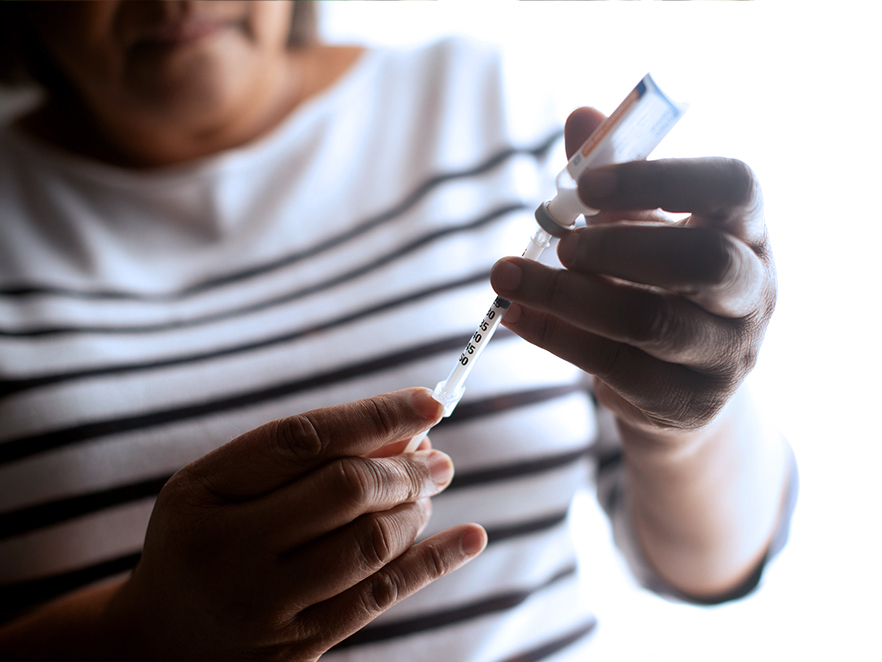
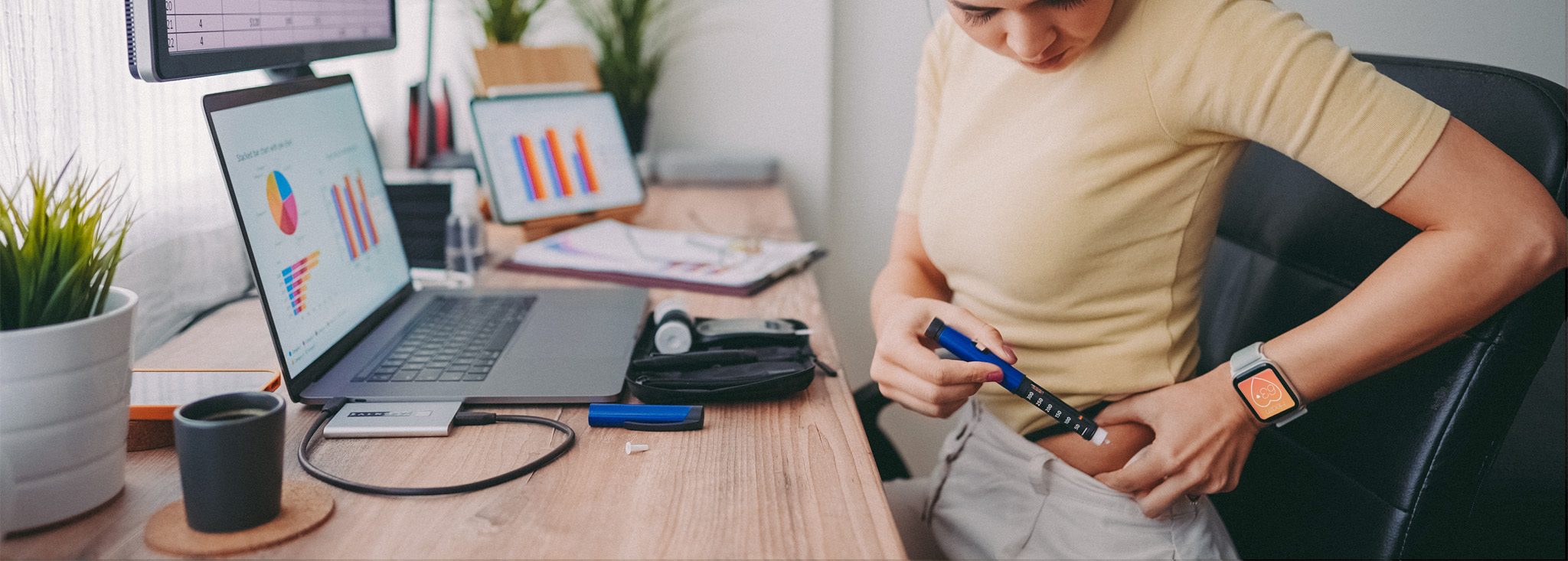
GLP-1s are available as oral tablets or injections. Oral options include Rybelsus (Ozempic), Wegovy and Foundayo. Rybelsus and Wegovy must be taken first thing in the morning on an empty stomach with no more than 4 oz of water. Foundayo is the most flexible pill option because it can be taken any time of day without food or liquid restrictions. Injectable GLP-1s include Mounjaro, Ozempic, Saxenda, Trulicity, Victoza, Wegovy and Zepbound.
For a full rundown of how these medications work and what each one is approved to treat, read GLP-1 Medications: How They Work, What They Treat + What to Know If You Have Diabetes.
Regardless of which form you take, you might experience side effects.
What are the common side effects of GLP-1s?
Nausea, vomiting, diarrhea and constipation are the most common side effects of GLP-1s, especially when you’re starting out or increasing your dose. They’re usually not severe, but they can interrupt your daily routine until your body adjusts to the medication.
Other potential side effects include gallbladder issues, dehydration that can lead to kidney problems, headache, fatigue, dizziness, bloating, belching, gas, stomach flu-like symptoms, heartburn, a runny nose and a sore throat.
If you take insulin or a sulfonylureas along with your GLP-1, you’re also at higher risk for hypoglycemia (low blood sugar). It’s important to work closely with your healthcare provider (HCP) when you start a GLP-1 to monitor your side effects and adjust your dose as needed.
Another thing to watch for is rapid weight loss. This might sound like a good thing, but rapid weight loss can lead to the loss of muscle mass. You can avoid this by making sure you eat a variety of nutrient-dense foods and staying physically active. Exercise is key to building and maintaining muscle! Following a healthy eating plan and practicing routine physical activity is essential to long term success when using a GLP-1.
How can you manage GLP-1 side effects as you get started?
GLP-1s work best as part of a well-rounded approach to health. This should include a focus on nutrition, physical activity, medication and your mental health.
How should you adjust your dose?
Start at the lowest dose and increase slowly with your HCP’s guidance. If side effects increase, back off your dose and check in with your HCP before continuing.
What should you eat to reduce side effects?
Eating smaller, more frequent meals can help reduce the side effects of a GLP-1. Aim for three small meals and two to three small snacks instead of larger portions and avoid high-fat foods, which tend to worsen digestive symptoms.
Try a few of these practical swaps:
- Use smaller plates or bowls to help limit portions.
- Drink liquids separately from meals so you don’t fill up on fluids instead of food.
- Choose lean, skinless meats, fish and low-fat dairy and limit red and processed meats.
- Try baked, grilled, steamed, boiled or broiled foods over fried options.
- A low-fat meal replacement shake can also work well as a snack.
How much should you drink, and what should you avoid?
Stay hydrated by sipping fluids throughout the day, between meals. Aim for eight to 12 cups of water daily, and swap high-fat or high-sugar drinks for water. Add a splash of lemon, lime or cucumber to your water to mix things up! Limit caffeine and low-calorie juices since both can contribute to dehydration. Unsweetened oat, almond or soy milk are good low-fat alternatives to cow’s milk.
How do you protect muscle and bone mass while on a GLP-1?
GLP-1s lead to decreased calorie (energy) intake. That also means a reduced intake of important vitamins and minerals, which can result in muscle and bone loss. They also increase your risk of pancreatitis, so supporting your body with healthy foods and exercise is important in the long run.
- Prioritize protein. aim for 1.0g to 1.5g per pound of body weight each day. Starting meals with 20 to 30g of protein from fish, beans, chickpeas, or tofu, is a practical way to hit that target.
- Strength training. Try to get at least 30 minutes of resistance exercise (weights or bands) two to three times a week, in addition to daily movement like brisk walking.
- Balance your plate. Fill half of your plate with vegetables, whole grains and fruit. A daily multivitamin can fill in the gaps.
Working with a registered dietitian can make all of this a lot easier to put into practice.
How can you track your progress?
Tracking can help you see what’s working and where you might need to adjust. You can journal by hand or use an app like Fooducate, myfitnesspal, mySugr, or Lily Health App. Try a free version to find the one that works best for you before committing to a paid one. If you use a smart watch or ring, it may offer additional tracking features worth exploring.
Working with a registered dietitian can also make it easier to put all of this into practice.
The bottom line
Starting a GLP-1 comes with a real chance of side effects, but most are manageable with the right approach: adjusting your dose slowly, eating and hydrating with intention, prioritizing protein and movement, and staying in close contact with your HCP. Being proactive about nutrition and physical activity from day one sets you up for long-term success.
Want to learn more about GLP-1s and diabetes? GLP-1s aren’t one-size-fits-all, and there’s a lot to learn as you go. Explore our GLP-1 Hub for more on how these medications work, what they treat and how to navigate them with your care team.
This content was made possible by Lilly, an active partner of Beyond Type 1. Beyond Type 1 maintains editorial control over its content.

Author
Baleana Watts-McGilberry, MA, RDN, LDN, CDCES, CHES
Beyond Type 1 is the largest diabetes org online, funding advocacy, education and cure research. Find industry news, inspirational stories and practical help. Join the 1M+ strong community and discover what it means to #LiveBeyond a diabetes diagnosis.
Related Resources
Sensitive Topic Warning: This article discusses anxiety, stress, depression and mood swings, which may be...
Read more

First responders bring to mind 911 emergencies where paramedics respond to provide lifesaving care. But...
Read more

If you live with diabetes and take insulin, you've probably heard of diabetic ketoacidosis (DKA),...
Read more