Type 2 Diabetes + The Glycemic Index: What You Should Know
Written by: Sarah Colvert
6 minute read
June 22, 2026
When you’re first diagnosed with type 2 diabetes (T2D), it can feel intimidating to learn about food and how it affects your body. The American Diabetes Association recommends an overall healthy meal plan for people with diabetes using a balanced plate, like the diabetes plate method. But if you’re looking for other resources, you may find the glycemic index (GI) useful.
When it comes to the GI, the first thing you should know is that it’s essentially a scale that tells you how a food impacts blood sugar over a certain time period. It does not tell you how many carbs are in your food. It’s important to remember that distinction.
What’s the glycemic index and what does it measure?
It’s important to know that the GI scale was created using comparison. In other words, researchers compare a certain food against the effect of a “standardized” food like sugar or white bread.
For example, researchers measure changes in blood glucose over a two-hour period after participants eat 50 grams of sugar. They also measure the blood glucose over a two-hour period after participants eat 50 grams of banana.
The GI is a ratio of these two measures and is based on a scale of 0-100. The standard food — in the example above, sugar — is given a score of 100. Bananas have a GI score of about 50, meaning they raise blood sugar by about half as much as sugar does in a two-hour period.
Basically, the higher the GI score, the faster that food raises your blood sugar.
What GI range should people with T2D focus on?
Most of the time, people with T2D should prioritize eating foods in the low- to medium-GI range as doing so makes balancing your plate easier. And, . If you’re not a fan of counting carbs or are still trying to get the hang of it, leaning on the GI can be a helpful resource or starting place.
High GI foods are easy for the body to digest and absorb, causing a quick rise in blood sugar. Low GI foods, on the other hand, take longer for the body to digest and cause a slower, more gradual rise in blood sugar.
GI ranges:
- Low GI: Food scores of 0-55
- Medium GI: Food scores of 56-69
- High GI: Food scores of 70+
While the idea of high-GI foods spiking your levels may feel scary, it doesn’t mean you have to avoid them. Instead, think of this information as a tool to help you understand your insulin (or other blood-sugar-lowering medication) use and food choices better. And if you need extra support, an AI-powered continuous glucose monitor like Libre Assist can help you take the guesswork out of it by predicting how foods will impact blood sugar levels.
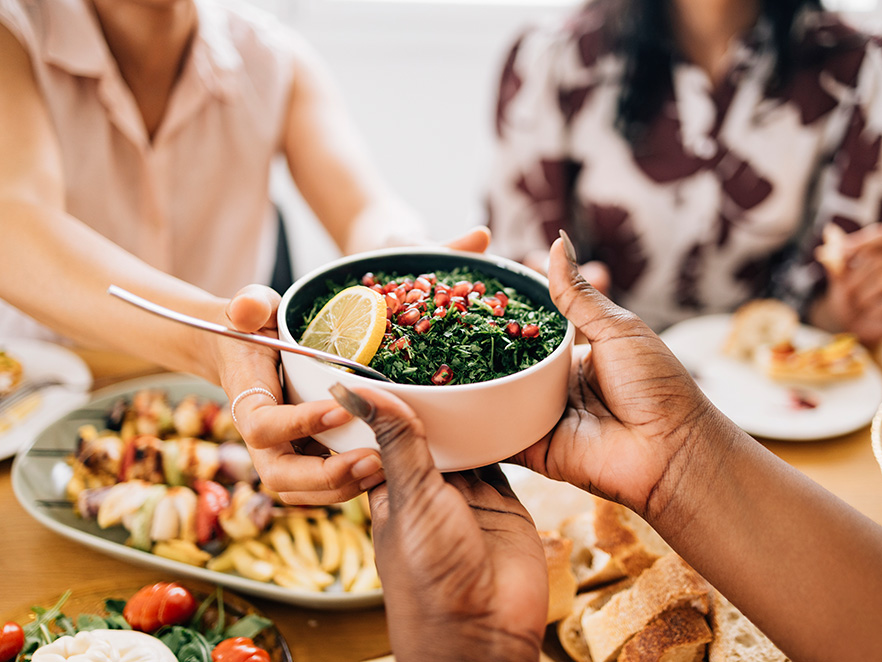
Examples of low-, medium- and high-GI foods
Processed foods like candy, breads, cookies or cakes are usually high-GI. Foods with higher contents of fat, protein or fiber tend to have a lower GI.
Pro tip: When it comes to fruit, the riper the fruit, the higher its GI.
Examples of low-GI foods include:
- Green vegetables
- Most fruits
- Cow milk
- Soy milk
- Quinoa, brown rice
- Lentils, beans, seeds
- Cottage cheese
Examples of medium-GI foods include:
- Pita bread
- Couscous
- Corn
- Watermelon
- Pumpkin
Examples of high-GI foods include:
- Rice milk
- Potatoes
- Pretezels
- Ripe banana
- White rice
- White bread
Remember, the GI of a food can change based on factors like freshness, cooking time, preparation method, the type of food and what else you eat at the same time. If you eat high-GI foods, balance them with low-GI foods to stay healthy and strong.
Also, remember, the amount of carbs/portion size affects blood sugar levels more than GI does.
Aim for portion balance. Try to get a mix of the following on your plate at mealtime:
- Fruits
- Vegetables
- Grains
- Protein
- Dairy
Information is power: thinking about carbs differently
Consider this: 60 grams of steamed carrots benefit your body differently than 60 grams of chips. This is because they contain different nutrients. Regularly eating carrots can help you feel strong and healthy, while chips can be an enjoyable treat to indulge in occasionally. It’s important to choose foods that nourish our bodies most of the time!
When you’re aware of what different nutrients do to your body, you can make smarter choices at mealtime, whether that means adjusting your medication timing, adding more fiber to your plate, taking a walk after dinner, making different grocery store purchases or drinking enough water to keep your digestive tract flowing.
Carbs aren’t the enemy. They’re a tool and an energy source our bodies need. Where you source that energy matters.
How should the GI factor into my lifestyle and nutrition?
If foods are low on the GI but still high in carbs, you might need to do some extra calculations. Nothing has to be completely off-limits for people with diabetes. With the help of a good doctor and community, everything can be managed well. It’s important to be realistic with yourself along the way, as some foods are better for your health than others, as described throughout this guide.
The GI shouldn’t replace other important diabetes management tools, like exercise and carb-counting. You can use the GI alongside these other methods, or think of it as a starting point before you tackle the task of counting carbohydrates. (Pro tip: Current diabetes tech and apps make this easier than traditional logbooks.)
Using the glycemic index for daily life with diabetes
As far as the science goes, the jury is still out! The American Diabetes Association’s Standards of Medical Care in Diabetes 2023 describes research involving GI in people with diabetes as being “complex” and acknowledges that different definitions for high and low GI foods exist. In terms of their effect on fasting blood glucose levels and hemoglobin A1C, the results have been inconsistent so far.
So what does this mean? Consider the glycemic Index one tool in your diabetes management toolbelt. Focus on the big picture and don’t get bogged down by the details. Leaning on the GI can help you make valuable swaps at the grocery store. This is sometimes called the “this for that” strategy.
For example, instead of white bread, you might choose bread made with special grains, such as Ezekiel bread. Instead of flour tortillas, you could choose corn or egg-based tortillas and instead of melon, you could have apples.
Connect with a community that understands what it’s like to live with type 2 diabetes—join our Community Apps.
This educational resource is made possible through the support of Abbott Diabetes Care. Beyond Type 1 retains complete, independent editorial control over all content.


Author
Sarah Colvert
Beyond Type 1 is the largest diabetes org online, funding advocacy, education and cure research. Find industry news, inspirational stories and practical help. Join the 1M+ strong community and discover what it means to #LiveBeyond a diabetes diagnosis.
Related Resources

If you live with diabetes and take insulin, you've probably heard of diabetic ketoacidosis (DKA),...
Read more

Last week, the FDA gave 510(K) clearance to the first needle-free wearable, Biolinq Shine, that...
Read more
If you live with type 2 diabetes (T2D) and find the frequency of multiple daily...
Read more