The 3 Stages of Type 1 Diabetes
A Guide to Early Detection
There are 3 stages of type 1 diabetes. Most people get diagnosed in stage 3, which can be dangerous.
Early screening can detect stage 1 and stage 2. Early detection = the possibility to delay stage 3, learn about management options and build vital support.
The 3 Stages of Type 1 Diabetes
Type 1 diabetes (T1D) is an autoimmune disease that can be diagnosed at any age and currently has no cure. T1D develops when autoantibodies attack the healthy insulin-producing beta cells in the pancreas needed to regulate blood sugar. This happens in 3 stages.
Presence of 2 or more autoantibodies. Stage 1 is the earliest stage of T1D. The immune system has begun attacking the insulin producing beta cells.
Blood Sugar
Normal
Symptoms
None
-
 Normal blood sugar levels
-
No symptoms
-
Detectable via a simple autoantibody screening test

Beta cell destruction has progressed and blood sugars have begun to rise.
Blood Sugar
Slightly Elevated
Symptoms
None
-
Blood sugar levels begin to rise slightly
-
No symptoms
-
Measure beta cell function with a C-Peptide test
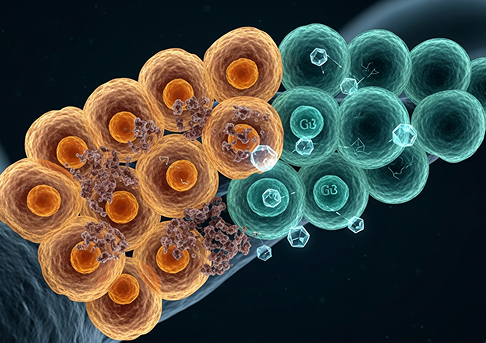
By this time, there is significant beta cell loss, blood sugars are dangerously high, and symptoms are present. Stage 3 can sometimes be mistaken for the flu or other illnesses.
Blood Sugar
Dangerously High
Symptoms
Frequent urination, excessive thirst, exhaustion, weight loss
-
Measure beta cell function with a C-Peptide test
-
Taking Insulin is now required

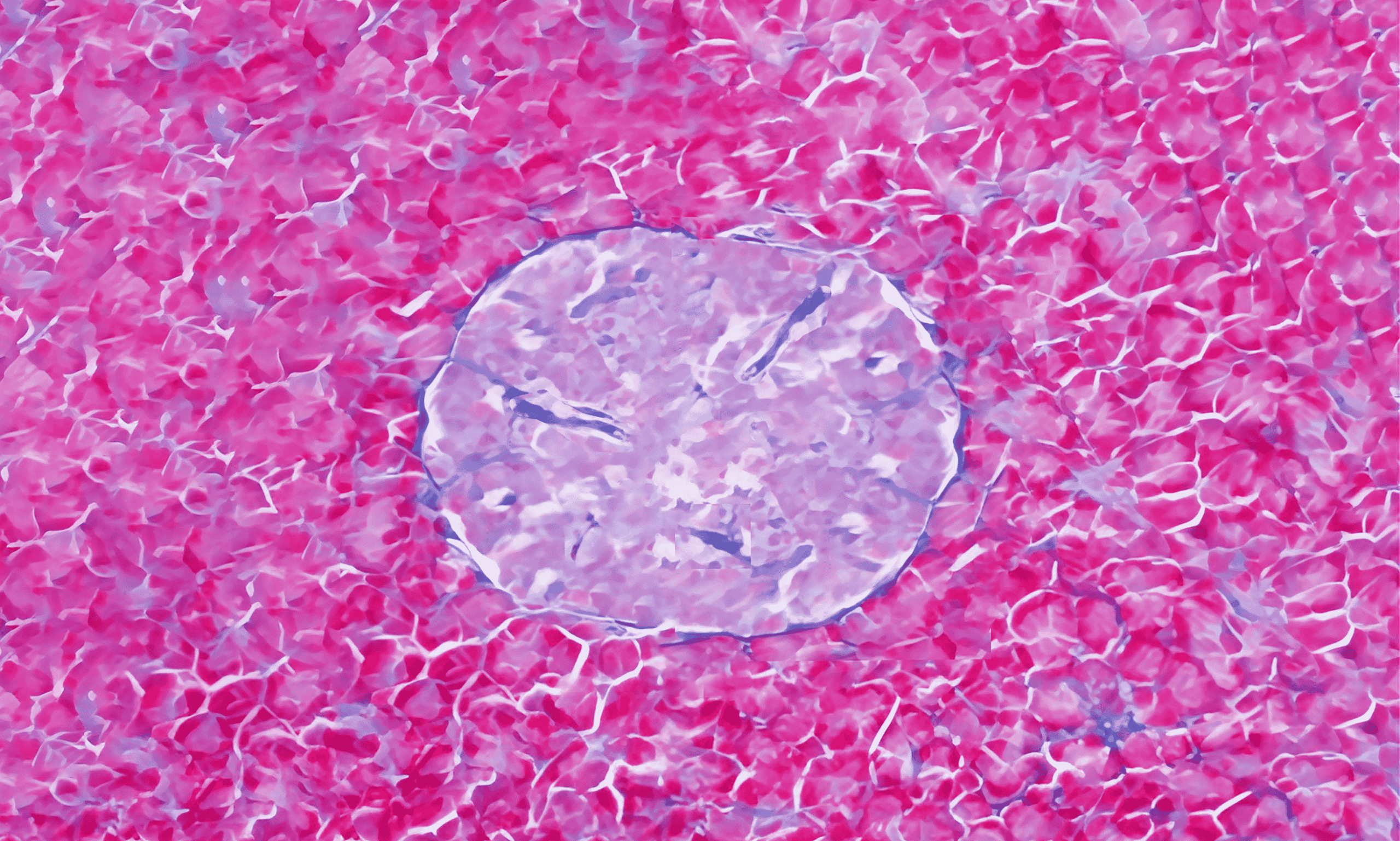
What's the Big Deal about Beta Cells?
Beta cells, found in the pancreas, play a vital role in the body by producing insulin, the hormone that helps move sugar from the blood into the body’s cells for energy. In T1D, the immune system mistakenly attacks and destroys these beta cells, leading to little or no insulin production.
Some Beta Cell Function is Better Than None
Studies show that even low levels of beta cell function are associated with lower HbA1C levels, longer time in target range, and reduced hypoglycemia episodes
The C-Peptide Test
A C-peptide test is a blood test that measures how much insulin the body is making. When the pancreas makes insulin, it also makes another substance called C-peptide in equal amounts. By checking a C-peptide in the blood or urine, healthcare providers can better understand beta cell function and see whether the body is producing any insulin on its own. This helps to determine the best treatment options available and could even include beta-cell preservation.

Frequently Asked Questions
Can you prevent type 1 diabetes?
Type 1 diabetes is an autoimmune disease—there is currently no way to prevent its onset, cure or “reverse” it in any way.
What causes type 1 diabetes?
The exact cause of type 1 diabetes is still unknown. However, researchers believe it to be a combination of genetics plus environmental triggers—like a virus.
Do I need a family history to get T1D?
Surprisingly, almost 90% of people diagnosed with T1D have no family history of the disease.
How do you test for early-stage T1D?
Over 95% of people with new-onset T1D have detectible amounts of at least one islet autoantibody. A simple blood test can look for these autoantibodies
Tools for T1D Screening + Awareness
Understand the Basics of Type 1 Diabetes
Understand the three stages of T1D progression and how the immune system begins attacking insulin-producing beta cells long before symptoms appear.

How to Talk to Your Doctor About T1D Screening
Empower yourself for your next appointment with a guide that explains various screening options and provides the exact lab codes and diagnosis codes your doctor needs to order autoantibody tests.
Interpreting Your Results: You've Been Screened–Now What?
Navigate your screening results with a clear roadmap that explains what 0, 1, or 2+ detected autoantibodies mean for your future health.

Spread Awareness: Encourage Others to Get Screened
Share with others why early detection via a simple blood test is a "head start" that allows families to plan, prepare, and explore clinical trials that may slow disease progression.
Get Screened
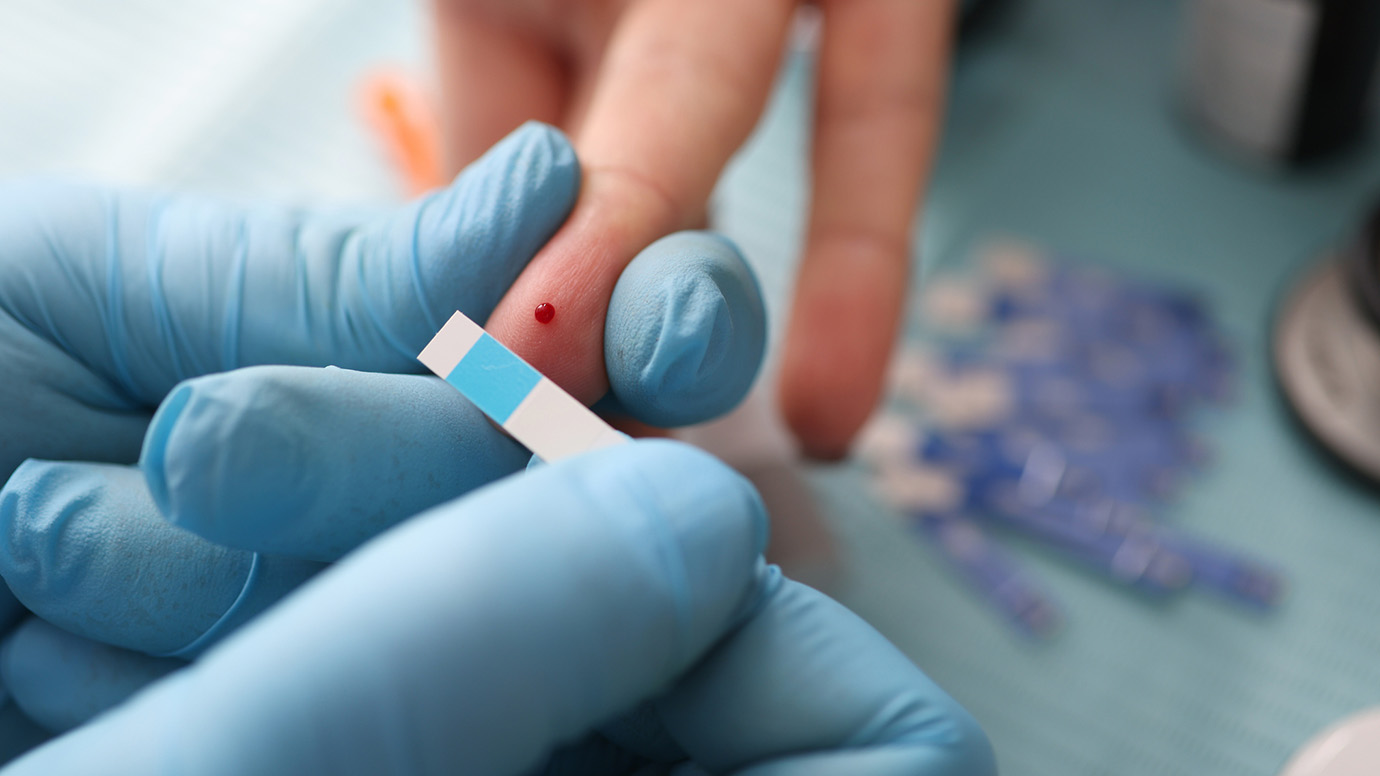
Type 1 diabetes (T1D) affects people of every age, race and ethnicity. Up to 90% of people diagnosed with T1D report having no family history. Waiting to #SeeTheSigns of T1D—like frequent urination, excessive thirst, weight loss and fatigue—can have serious implications. With a simple blood test, T1D can be detected early, giving you a headstart to long-term health benefits.
Early Stage T1D Support
Whether you were screened and are in Stage 1 or Stage 2, or have just been diagnosed as early Stage 3, Beyond Type 1 has your back. From connecting with others, to pointing you to clinical trials and mental health services, we’ve got this!
When it Comes to T1D
Insulin + Medications
These Are All The Hormones That Diabetes Impacts
Advocacy
You Can Screen for Type 1 Diabetes Autoantibodies—When Will it Become Standard Childhood Health Care?
Healthcare
How to Talk to Your Doctor About Type 1 Screening If You’ve Been Misdiagnosed with Type 2 Diabetes
Diabetes Types + Diseases
Screening Children for Type 1 Diabetes Autoantibodies
Advocacy
Inclusive Health: Creating Access to Type 1 Diabetes Screening in Underserved Communities


Share with Friends
If your parents or grandparents have type 1 diabetes, you might be worried that you have a genetic risk for...
Read more
Approximately 1.45 million people have type 1 diabetes (T1D) in the United States, and by 2024, the T1D Index estimates...
Read more
So, you got screened for autoantibodies. The results came back saying you tested positive for one or more autoantibodies. The...
Read more
If you test positive for diabetes autoantibodies, it is best to create a type 1 diabetes monitoring plan. Testing positive...
Read more
Living with a chronic condition like type 1 diabetes (T1D) can impact your mental health and well-being. However, anxiety and...
Read more
Today, I took a test to identify if I have the autoantibodies that signal early-stage type 1 diabetes. Autoantibodies are...
Read more
Sponsor
Educational content is made possible with support from Sanofi. Beyond Type 1 maintains editorial control over its content.