The Convenience Store Diabetes Plate: What To Eat When “Healthy” Isn’t Available
Written by: Katherine Gilyard
6 minute read
October 26, 2026
Medically reviewed by: Russender Powell, MS, RD, LD, BC-ADM, CDCES
Not everyone has access to a Whole Foods. Not everyone has a kitchen. And not everyone has the luxury of meal prepping for the week on Sundays. If you’ve ever stood in a gas station trying to figure out what won’t wreck your blood sugar, this is for you.
This isn’t about perfection: It’s about what’s possible when your food options are limited and managing your blood sugar needs to happen, regardless of your grocery access.
What can you eat at a gas station with diabetes?
A typical convenience store, gas station or corner bodega carries more workable food than you might think—you just have to know what to look for.
The same basic principles that apply at a grocery store also apply here:
- Pair protein with carbs to slow the glucose spike
- Look for fiber where you can find it
- Avoid drinking your sugar.
What should you drink at a convenience store?
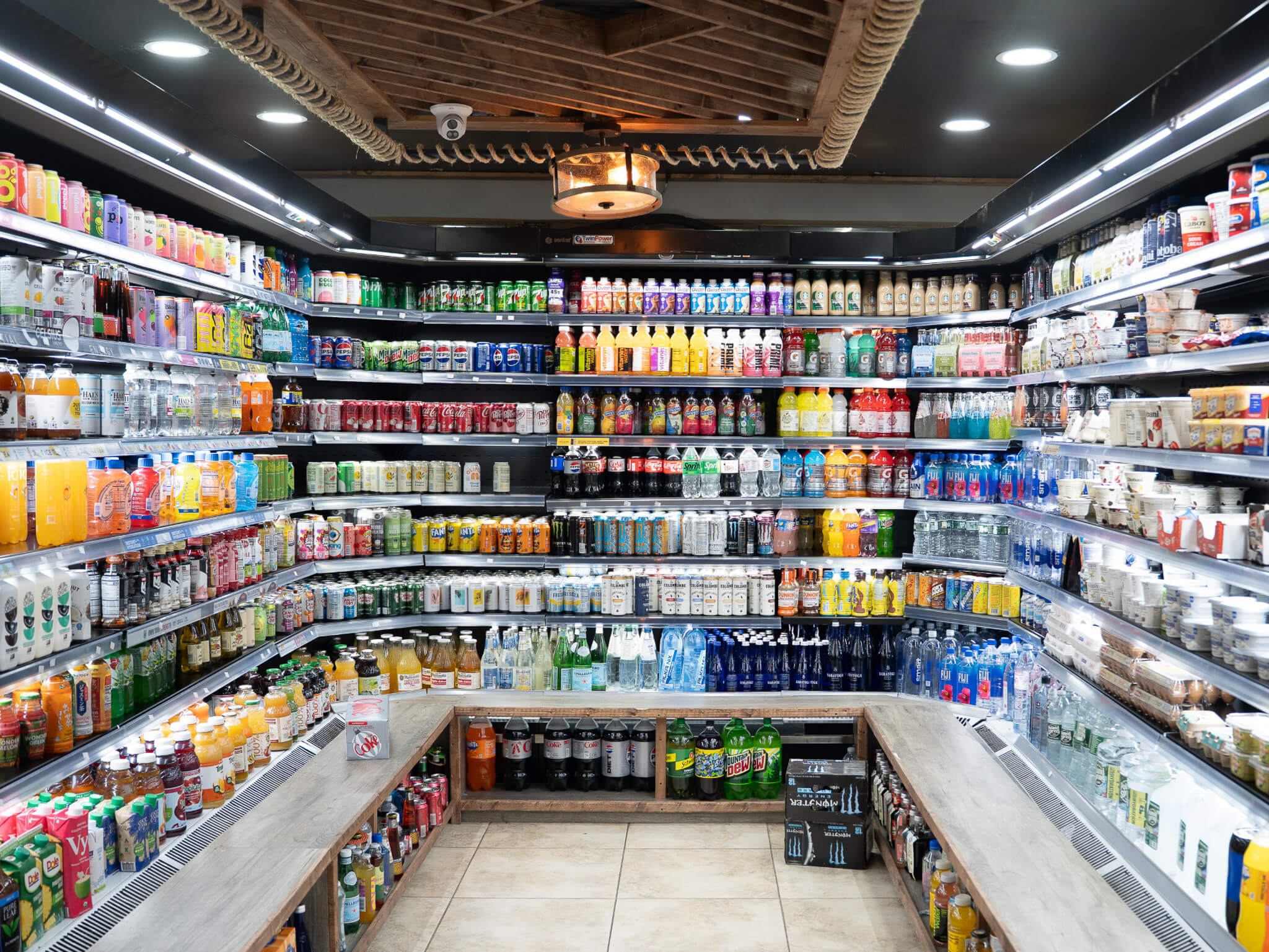
Water, unsweetened tea, black coffee or diet drinks are the move here. The drink case is the biggest trap in a convenience store. A 20 oz soda has roughly 65 grams of carbs. That’s more than most full meals. A “fruit” juice or sweet tea can be just as high. Just one swap can change your blood sugar trajectory for the next several hours.
How to build a meal from convenience store food
You don’t need a big budget or a lengthy recipe to pull together a solid meal from convenience store shelves. Just start with protein, add a carb that works harder for you and use the hot case when it makes sense. Here’s what to look for in each category.
Protein to anchor your meal
Beef jerky, pork rinds, string cheese, hard-boiled eggs (many gas stations stock these now), peanuts, almonds, sunflower seeds. These are your anchors. Eating protein alongside carbs, especially fiber-rich ones, can help slow digestion so your blood sugar rises more gradually.
Remember: these tips are for everyday eating. If you’re treating a low, reach for fast-acting sugar, not protein.
Carbs that work harder
If you’re choosing between chips and crackers, whole wheat crackers or peanut butter crackers are a better bet because the fat and protein digest more slowly. A small bag of trail mix (watch for candy-heavy versions!) gives you nuts, seeds and some dried fruit with fiber. A banana from the counter basket, if there is one, is a decent portable carb with potassium.
Shopping in a hurry? Here are some quick go-tos that pair protein and carbs and can be found at any convenience store:
- String cheese + an apple
- Jerky + a small trail mix
- Hard boiled eggs + a banana
- Peanut butter crackers + a handful of nuts
- Tuna pouch + whole wheat crackers
- Beef stick + cheese stick
- Hummus cup + veggies or a few pretzels
Hot food options that work
While a hot dog on a bun may not be gourmet, it’s protein, fat and a manageable amount of carbs. A bean and cheese burrito from the warmer gives you fiber, protein and fat in one package. A slice of pizza (yes, really) has roughly 35 to 40 grams of carbs—predictable and manageable with insulin if you know it’s coming.
If you take insulin, remember that high-fat and high protein meals (think pizza,fried foods, super sized burgers) can raise blood sugar slowly, several hours later. If you take mealtime insulin, you may need a bit more insulin, a split dosage (on a pump) and a glucose check about three hours after eating. Ask your care team how to handle these meals.
What to buy at a dollar store with diabetes
Canned tuna, canned beans, peanut butter, whole wheat bread, canned vegetables, cheese, crackers. If you have access to a microwave (in a shelter, break room or shared kitchen) you can build a functional meal from shelf-stable dollar store food. Canned black beans over instant rice with hot sauce is a complete meal with fiber, protein and manageable carbs.
Bodega finds
Many corner stores, especially in neighborhoods with immigrant communities, carry fresh fruit, avocados, eggs, bread and sometimes even rotisserie chicken or cooked rice. A bodega egg-and-cheese sandwich on a roll is roughly 30 to 35 grams of carbs with solid protein. Two hard-boiled eggs and a banana can be a complete meal. And don’t overlook the deli counter if there is one—sliced turkey rolled around cheese is low carb protein you can eat in the car, on a bus or on a quick break between shifts.
What fast food can you eat with diabetes?
If a drive-through is your most accessible option, you’re not failing. Try some of these healthier options:
- Grilled chicken sandwiches (be sure to skip the sugary sauce)
- Burgers without the bun (or with as long as you know the carb count)
- Side salads with oil-based dressing
- Chili and scrambled eggs from a breakfast menu
The key is to know the approximate carb count and take enough insulin for what you eat. Most fast food chains publish nutrition info on their apps or websites.
Can you use SNAP at convenience stores?
If you’re using SNAP or EBT, you can use your benefits at most convenience stores and dollar stores that accept them. Although you can’t buy hot prepared food with SNAP, you can buy everything else on this list. Knowing what you can purchase with your benefits at the stores you can actually get to is part of diabetes management that the standard diabetes education doesn’t teach you.
Advocate for yourself with your care team
If food access shapes how you eat, don’t be afraid to bring it up at your next appointment. It may change the care and support you get for the better. Try starting with any of the following:
- Tell your HCP if money or food access makes it hard to eat healthy. This is common and not a personal failure.
- Ask your HCP for a referral to a dietitian who will work with the foods and stores you can actually use.
- Ask your HCP whether any of your medicines carry a lower risk of low blood sugar, which matters when meals are unpredictable.
- Ask about local resources available in your area like food pantries, produce programs, “food is medicine” programs or help signing up for SNAP/WIC.
Why diabetes education misses limited food access
Diabetes education almost never addresses what to do when you’re eating from limited options. The handouts assume food stability and daily access to a full kitchen. And when you can’t follow the standard recommendations, it’s often seen as your personal failure. It’s not.
Managing blood sugar from a gas station takes more skill than managing it from a fully stocked kitchen. You’re making real-time calculations with fewer tools and less margin for error. That’s not a deficit—that’s expertise born from necessity.
So eat what you can. Bolus for what you know. And don’t let anyone make you feel like your best isn’t good enough because your options aren’t what theirs are.


Author
Katherine Gilyard
Katherine Gilyard is a DC-based multimedia journalist, producer and communications strategist with over a decade of experience at the intersection of health equity, disability and community-centered storytelling. Her reporting has appeared in STAT News, The 19th News, Beyond Type 1, Breastcancer.org, and GoodRx, and has been recognized with two NABJ Salute to Excellence Awards and the Harriet McBryde Johnson Award for Nonfiction Writing from the Autistic Self Advocacy Network. She most recently served as story producer and writer on "Dual: The True Cost of Care," a Webby-nominated documentary podcast series on Medicare and Medicaid dual eligibility. For Beyond Type 1,... Read more
Related Resources

It's my second trip to the hospital in a month. I've already missed five days...
Read more

When you live with a condition like type 1 diabetes (T1D) that never lets up...
Read more
You bolused, you ate, then an hour later, your sugar is climbing anyway. If that...
Read more