This Is The First Test to Ask For After a Diabetes Diagnosis
Written by: Melanie Batchelor
4 minute read
March 25, 2026
A diabetes diagnosis can feel like it comes out of nowhere, but it doesn’t actually happen overnight. Most people are diagnosed with type 1 diabetes (T1D) in stage 3 of a multi-stage autoimmune process that’s been developing for months or years in your body.
Here’s a quick refresher on what happens in your body by the time you’re diagnosed with T1D diabetes.
Beta cells, found in the pancreas, produce insulin—the hormone our bodies need to move sugar into our cells for energy. In T1D, the body mistakenly attacks the beta cells. Over time, fewer beta cells remain, which means the body produces little or no insulin. Without insulin, blood sugars rise.
Being newly diagnosed with T1D can feel like a gut punch. But here’s the good news: if you’re one of the 1.5 million people newly diagnosed with diabetes, your body may still produce some insulin. That means some beta cells are still working—and may even be saved. But because T1D is progressive, you have to act fast to preserve any remaining beta cells.
The key is figuring out whether you still have any beta cell function left.
That’s where the C-peptide test comes in.
What is C-peptide?
C-peptide is a substance your pancreas releases when it makes insulin.
Because your body produces C-peptide and insulin in equal amounts, measuring C-peptide can show how much insulin your body is still making. With a C-peptide test, your health care provider can determine your c-peptide level and confirm which type of diabetes you have.
What is a C-peptide test?
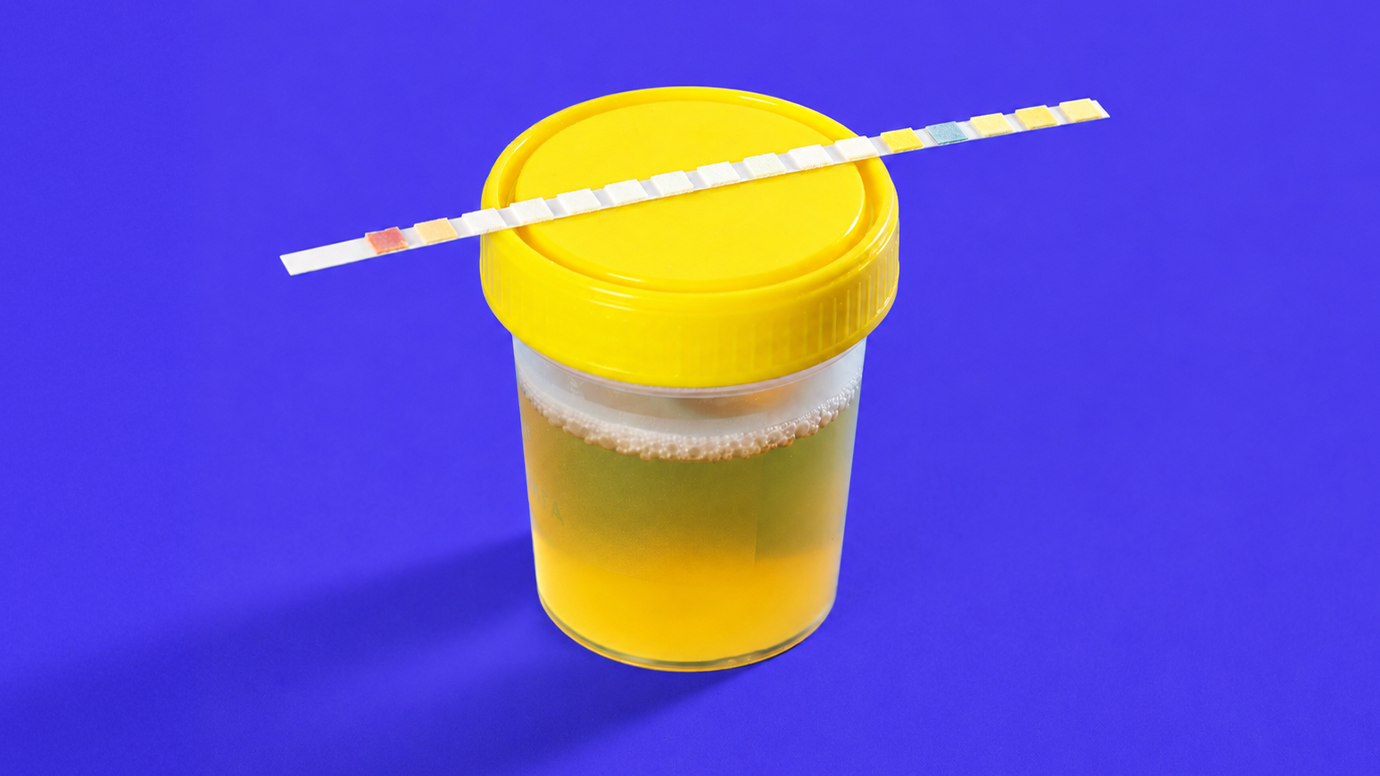
A C-peptide test is a simple blood or urine test that measures the level of C-peptide in your body. It’s ordered by your health care provider and can be done in the office or at a laboratory.
Why get a C-peptide test?
A C-peptide test helps your health care provider understand whether or not your body is still producing insulin, and can:
- Measure how much insulin your body produces
- Confirm which type of diabetes you have based on data, not symptoms
- Guide treatment options, including how much insulin you should take
- Determine eligibility for beta cell preservation and participation in clinical trials
When should I get a C-peptide test?
Since T1D diabetes progresses over time, many people newly diagnosed still have some beta cell function left. Your healthcare provider may have called this period of time “the honeymoon phase.” Everyone’s diagnosis is different, but in many cases, this phase can last for months.
- If you’ve been screened and are in Early Stage 2 T1D: You may be eligible for beta cell preservation therapy and/or clinical trials to slow down the progression of T1D. Talk to your healthcare provider right away to ask for a C-peptide test in the next few months
- If you’ve recently been diagnosed with T1D (Stage 3): Ask for a C-Peptide test as soon as possible. Your body could still be producing some of its own insulin but you have a limited window to act if you’re eligible for beta cell preservation. We recommend that you get your C-peptide test within 2 weeks of a new diagnosis
- If you’ve had T1D for a year or more: It’s less likely that you’re still in the “honeymoon phase.” Still, getting a C-peptide test can help you understand where you stand. Some insurance plans—and certain situations like qualifying for an insulin pump—may also require it. Ask your healthcare provider about ordering one at your next appointment.
Why beta cell function matters
Even small amounts of remaining beta cell function can make a difference, including more time in range, fewer severe lows, and better long-term health for your eyes, kidneys, and blood vessels.
How do I get a C-peptide test?
Ask your healthcare provider to order the test. C-peptide levels usually fall between about 0.5 and 2.0 ng/mL in people without diabetes. Discuss your results and next steps with your healthcare team as soon as your results are in.
Key Takeaways
Remember, when it comes to preserving the beta cells you might have left, time is of the essence. Ask your healthcare provider for a C-peptide test as soon as possible. And if you’ve lived with diabetes for a long time and find out that you don’t have any beta cells left, don’t worry. Check out these resources to help you thrive beyond your diagnosis.
Want to know if a friend or loved one is at risk for type 1 diabetes? Find out with our free assessment tool here.


Author
Melanie Batchelor
Beyond Type 1 is the largest diabetes org online, funding advocacy, education and cure research. Find industry news, inspirational stories and practical help. Join the 1M+ strong community and discover what it means to #LiveBeyond a diabetes diagnosis.
Related Resources

Imagine waking up feeling like you didn't sleep at all. Your legs feel heavy. You...
Read more

For parents of kids living with type 1 diabetes (T1D), there's the initial heartbreak at...
Read more

You did everything right: counted the carbs, dosed on time, went to bed with a...
Read more