Treating Low Blood Sugar as You Age with Diabetes
Written by: Ginger Vieira
9 minute read
March 9, 2026
As you get older, your body and mind change, and that affects how you feel when your blood sugar is low—also known as hypoglycemia—if you have diabetes. Low blood sugar happens when your blood sugar drops to 70 mg/dL (3.9 mmol/L). It becomes more dangerous below 55 mg/dL (3.1 mmol/L).
If you take insulin or other medicines to lower your blood sugar, especially as an older adult with diabetes, it’s crucial to prevent and manage low blood sugar carefully. If you’ve had diabetes for a long time, your body might not tell you when your blood sugar is low anymore, and you might not even notice! This is called hypo unawareness.
In this guide, we discuss the increased risks, safety tips, how to treat serious lows and what to consider if you experience frequent low blood sugar episodes.
A1C targets are different in older adults with diabetes
In youth and adulthood, your body may have simply felt the symptoms of low blood sugar more easily and sooner. As you age, you may become less sensitive and able to detect these symptoms. Understanding this is critical for older people with diabetes and caregivers.
The overall target blood sugar and A1C targets for older people with diabetes are higher for good reason: your risk of experiencing low blood sugars is not only higher, but it also comes with additional dangers.
The American Diabetes Association’s (ADA) 2025 Standards of Care say that: “Older adults with diabetes who are otherwise healthy with few and stable coexisting chronic illnesses and intact cognitive and functional status should have lower glycemic goals (such as A1C <7.0–7.5% [<53–58 mmol/mol]) and/or time in range [TIR] 70–180 mg/dL [3.9–10.0 mmol] of ∼70% and time below range ≤70 mg/dL [3.9 mmol/L] of ≤4%) if CGM is used.”
If you are an older adult with diabetes and have more complex health concerns, the ADA recommends having “less stringent goals (such as A1C <8.0% [<64 mmol/mol] and/or TIR 70–180 mg/dL [3.9–10.0 mmol] of ∼50% and time below range <70 mg/dL [3.9 mmol/L] of <1%) for those with significant cognitive and/or functional limitations, frailty, severe comorbidities, and a less favorable risk-to-benefit ratio of diabetes medications.”
Remember, your A1C goals are personal. Always talk with your health care team to set goals that work best for you. The ADA Standards of Care can guide you and your team in having open, honest conversations.
Why is low blood sugar more dangerous in older adults with diabetes?
Research shows that low blood sugar in older adults with diabetes can be more dangerous and is different from that in other age groups. It’s important to understand why this happens.
If you are an older adult with diabetes or a caregiver for an older adult with diabetes, here are things to consider:
- You are more likely to experience recurring lows
- You are less likely to recognize and feel the symptoms of lows
- You are more likely to visit the emergency room for low blood sugar
- Effects of frequent lows can affect your physical and mental independence
- You are more likely to experience a life-threatening fracture or fall during lows
- There is a close relationship between frequent lows and general weakness
- Severe lows increase your risk of serious cognitive and physical decline
- History of severe lows more than doubles your risk of death
What increases your risk of severe lows as you age with diabetes?
If you experience frequent low blood sugars several times a week, you should consult your health care team to adjust your medication. As an older adult with diabetes, certain factors can raise your risk of low blood sugar.
Risk factors include:
- The length of time you’ve had diabetes
- Using insulin or sulfonylureas
- Inconsistent/unpredictable eating habits
- Disordered eating behaviors, anorexia, etc.
- History of hypoglycemia unawareness
- Recent hospitalization for any reason
- Having any form of autonomic neuropathy
- Experiencing any stage of kidney disease, especially kidney failure
- Managing multiple medications for diabetes
- Managing multiple medications for other conditions
- You consume alcohol regularly
- Struggling with dementia or cognitive decline
Low blood sugars can happen to anyone taking insulin or sulfonylureas. But the older you are, the greater your risk. If these factors apply to you, talk to your health care team about adjusting your medications and blood sugar targets to reduce your risk of low blood sugar.
Basic low blood sugar prevention strategies
There are also ways to prevent low blood sugar before it occurs. While they may not always be effective due to individual differences, they are worth trying to enhance your overall health.
Try these steps to prevent low blood sugar:
- Monitor your blood sugar regularly, as recommended by your health care team
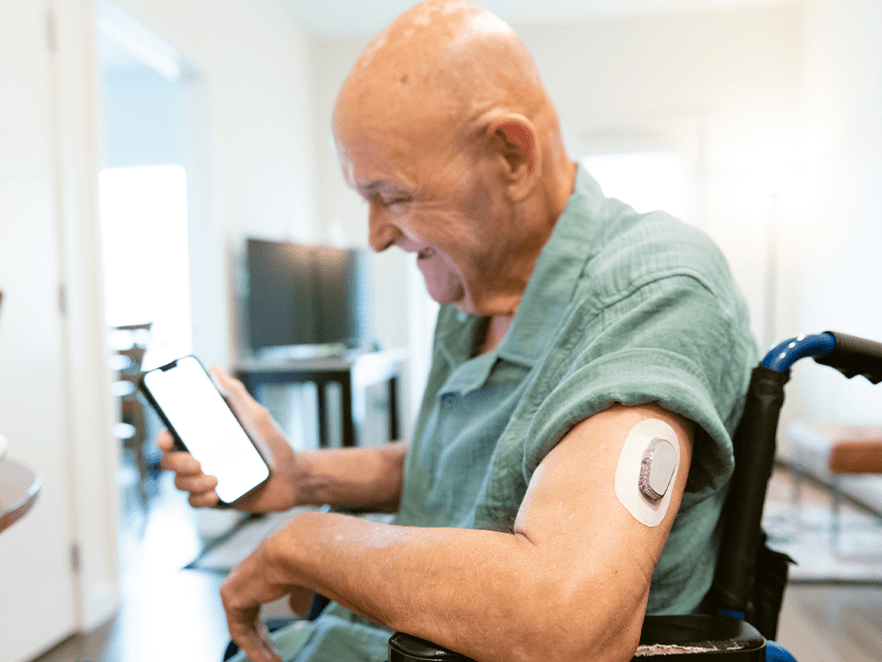
- Consider investing in a continuous glucose monitor (CGM)—if you don’t already have one—to get real-time insights into your blood sugar levels
- Eat regular, balanced meals
- Take your medications as prescribed
- Plan your physical activity: check your blood sugar before exercising, eat a snack if your levels are lower, carry fast-acting carbs while you’re active and monitor your levels afterwards
- Limit or carefully manage your alcohol intake
- Carry fast-acting carbs on you
If you have taken steps like this but are still experiencing frequent or unmanageable lows, talk to your health care team. They might need to adjust your medication doses or overall treatment plan.
Treating standard low blood sugars as an older adult with diabetes
If you take insulin or sulfonylureas to manage your diabetes, it’s very important to always carry fast-acting carbohydrates with you and follow the 15-15 rule. These quick sources of sugar are foods that have no fat or protein, because fat and protein slow down how quickly carbs raise your blood sugar.
Fast-acting carbohydrates include:
- Juice boxes or regular soda
- Glucose tabs, gels, powder or gummies
- Skittles, gummy bears, jelly beans, Nerds, etc.
- Maple syrup or honey
- Sugar packets or table sugar
Always store your fast-acting carbs nearby in these places:
- Your purse or bag
- Your car’s glove compartment
- In pockets or a fanny pack while walking, exercising, etc.
- Your nightstand
- Your partner’s car
- In the living room, bathroom, etc.
It’s a good idea to keep fast-acting carbs in every room, even if it seems like a lot. The point is to make sure they are easy to find when you need them. Think about the important spots in your house and the things you carry while running errands that could have at least 15 grams of carbs.
Use an emergency glucagon to treat severe low blood sugar
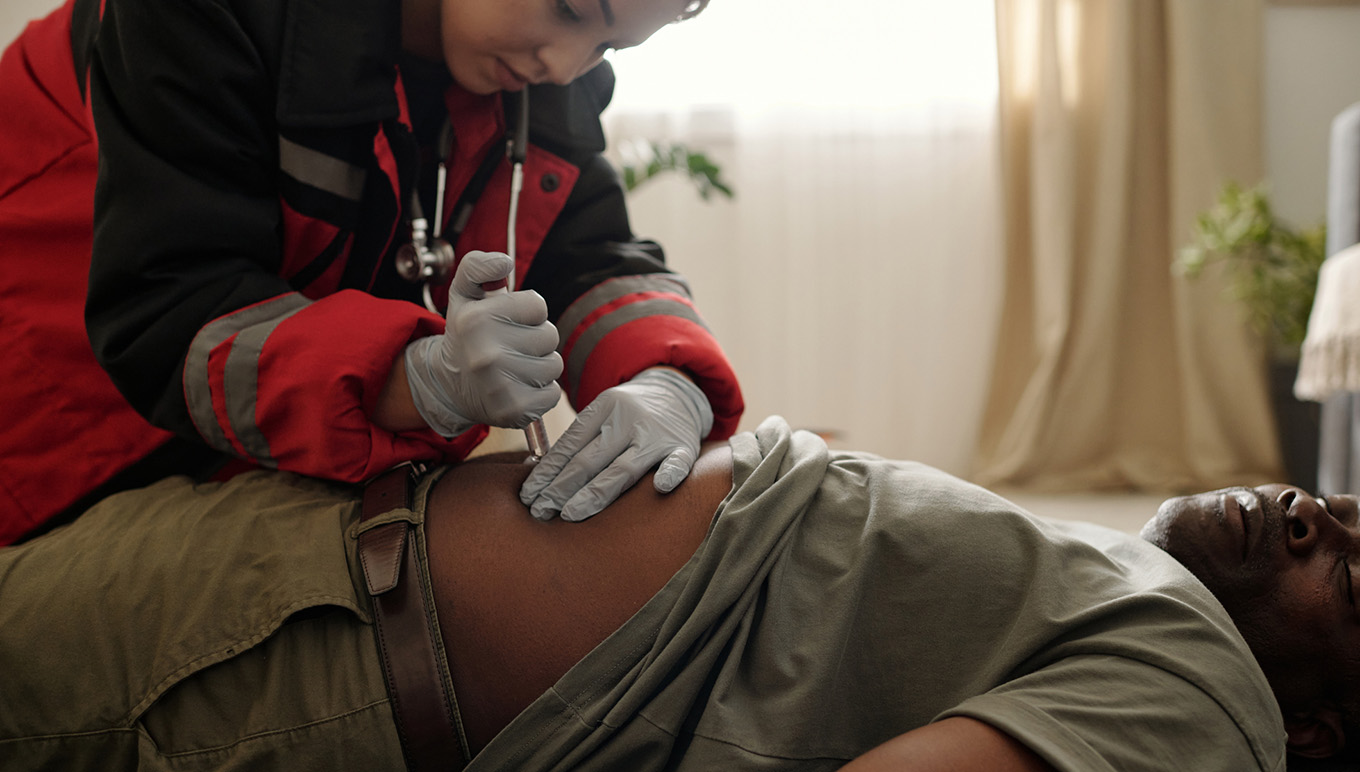
Emergency glucagon is a medical tool that can save your life during severe low blood sugar episodes. Usually, emergency glucagon is administered to you by a caregiver or family member.
Glucagon is a hormone that tells your liver to release stored sugar into your bloodstream quickly. If your blood sugar is so low that you can no longer eat and drink or you’ve lost consciousness, the emergency glucagon options available today can help you quickly.
Types of emergency glucagon
While there was only one option for decades—and it was complicated to use—there are many new and improved emergency glucagon treatment products available today, including:
- Nasal glucagon—Baqsimi®: This is an emergency glucagon that’s administered through your nose.
- Glucagon pen—Gvoke HypoPen®: This is a premixed glucagon injection that you press against your thigh. The auto-inject device makes it quick and easy to use. It is also available in a prefilled syringe (PFS).
- Glucagon Prefilled Syringe—Gvoke Kit®: This is a premixed glucagon vial with a syringe, allowing you to draw up the dose manually and inject it directly into your thigh.
- Glucagon pen—Zegalogue®: Also a premixed glucagon, available as an easy-to-use auto-inject device. It is also available in a prefilled syringe (PFS).
In most cases, your family member or caregiver should call 911 right away, even if they have emergency glucagon available.
When to use emergency glucagon
“If a patient with type 2 diabetes is taking insulin, we prescribe emergency glucagon 99 percent of the time,” explains Marcey Robinson, MS, RD, CSSD, CDE, BC-ADM, co-founder of Achieve Health & Performance. “It really depends on the patient’s age, the caregiver’s age and their ability to learn when and how to use glucagon.”
Robinson says many of her patients—and a large percentage of the overall population of people with type 2 diabetes (T2D)—are at least 70 years old. Using emergency glucagon during the stress of severe low blood sugar may be more than a caregiver can handle.
It’s important to know that many emergency teams in the U.S. don’t carry, or aren’t allowed to use, certain types of glucagon that require sticking a patient’s skin, such as auto-injectors. Because of this, it’s a good idea to always keep glucagon available. Emergency workers can then use your glucagon or guide a caregiver on how to give it.
Be prepared to manage lows at any age with diabetes
Emergency glucagon can save your life when your blood sugar drops dangerously low. Even if calling 911 is the best choice for some families caring for a person with diabetes, you should still have a glucagon prescription. Make sure it is filled and kept in an easy-to-find spot at home.
It doesn’t matter how much insulin you take or what your A1C is—whether you use a pump, syringe, pen or inhaler—you can have very low blood sugar.
Connect with a community that understands what it’s like to feel the highs and lows of life with diabetes. Join our Community Apps.


Author
Ginger Vieira
Related Resources

Sensitive Topic Warning: For some people, eating a lot of food all at once when...
Read more
You’ve probably heard of the EpiPen and how it can save someone’s life if they’re...
Read more

Low blood sugars can be one of the hardest parts about living with diabetes.Even if...
Read more