Tailgating + Type 1 Diabetes: How To Craft Your Game Day Plan
Written by: Beyond Type 1 Editorial Team
6 minute read
November 4, 2026
Medically reviewed by: Beyond Type 1 Clinical Team
Tailgating season means a full day outside before the game even starts. You’re up early, standing around a grill, maybe having a beer. It’s easy for one part of that day to bleed into the next without you noticing your blood sugar drifting where it shouldn’t.
Managing type 1 diabetes (T1D) at a tailgate isn’t all that different from managing it at a music festival or a weekend camping trip. It just comes with more grills and more people. Maybe a little more chaos too! In this tailgating guide, we cover what to eat and drink, what to pack and how to plan around a schedule that has nothing to do with your usual routine when you live with T1D.
How to manage tricky tailgating food and alcohol
Most tailgate spreads lean protein-forward with pulled pork, brisket or burgers straight off the grill. That’s good news if you live with T1D because high protein can also mean low carbs. What you really have to watch is the sauces you put on those meats. Barbecue sauce, for example, can contain forgettable sugars (aka uncounted carbohydrates) that spike your levels. Protein and fat don’t spike blood sugar the way a table full of chips and buns does, so leaning into the meat, being reasonable with your condiment use and going easy on seconds is a reasonable way to make your blood sugar more predictable on game day.
Alcohol is the part that really complicates things, especially if it’s hot outside. When you drink, your liver is busy processing the alcohol instead of releasing stored glucose, and that can make your blood sugar drop. Sometimes, those lows hit hours after your last drink, once the parking lot has cleared out and you’re home asleep.
The American Diabetes Association warns that this kind of delayed low can show up hours after drinking stops, especially if you’ve also been on your feet all day. Eating something with carbs and protein before you start drinking helps blunt that effect. Have a quick snack before bed to stay safe, as alcohol can also make you less responsive to your continuous glucose monitor (CGM) alarms that would otherwise notify you.
One tailgate-specific trick, courtesy of Notre Dame student Patrick Tinsley, is to pick a “check-to-drink ratio” and actually stick to it, instead of losing track somewhere around beer number three. “Have someone close who can help monitor everything,” Tinsley says. That person doesn’t even need to know a thing about insulin to be useful. They just need to know what a low is when they review your CGM, what it looks like on you and what to do about it.
If you start feeling shaky, foggy or off, don’t wait it out to see if it passes! Blood sugar levels under 70 mg/dL (3.9 mmol/L paired with symptoms of trembling, confusion and a racing heartbeat, can look a lot like being a little drunk, but that might not be the case. Don’t assume you are only drunk. While you know your body well, alcohol can trick your mind. That overlap is exactly why lows are easy to miss while you’re drinking.
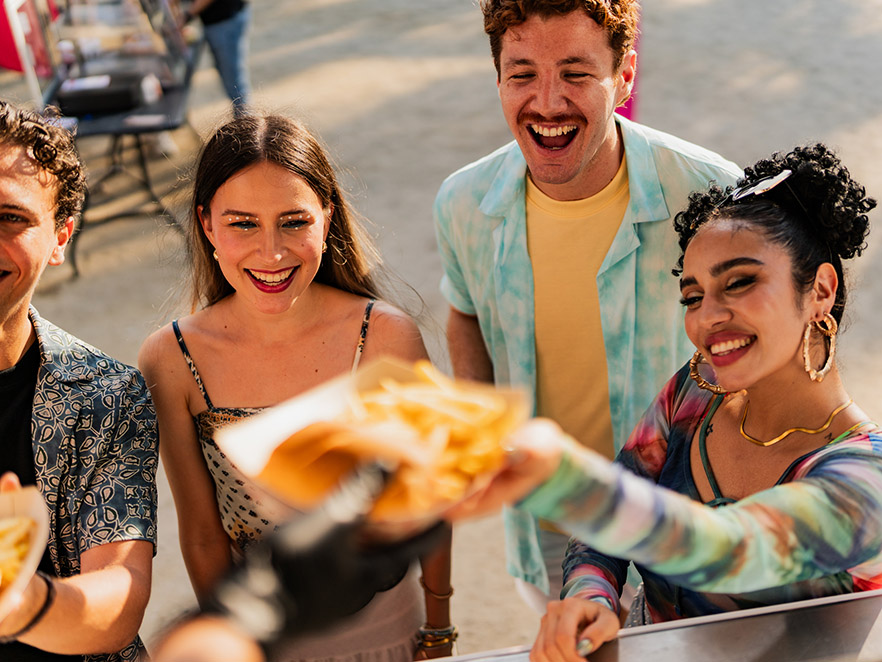
Pack for a full day outdoors at the lot
If you’re going to a game and starting the day with tailgating, odds are, you’re going to be there all day.
Don’t forget to pack these key diabetes supplies:
- Blood glucose meter (BGM) and/or CGM supplies
- Low snacks and glucose tabs, powders, gels or gummies
- Water (more than you think you’ll need)
- Emergency glucagon
- Insulin and pump supplies
- Ziploc or dry bags to keep electronics safe from rain or a spilled drink
- Diabetes supply case to put it all in: keeping your diabetes devices and supplies protected from heat, spills and other unknowns
- Comfortable shoes and layers to manage temperature swings from day to night
- A portable charger
Anyone with diabetes who uses insulin should have emergency glucagon within reach. A tailgate is exactly the kind of place where a severe low is harder for people to catch early. That’s how they become dangerous. Tailgates can get loud, crowded and chaotic without much warning. That includes your blood sugar levels. Having a backup for peace of mind makes a big difference.
Since this is an all-day outdoor event, you need to treat it like one. Prepare for it in the same way you would if you were camping! Even if you’ve never had an issue before, you can never be too careful.
Plan around the heat and early start time
Kickoff doesn’t care what time your body wants breakfast. Early games mean you’re up and outside before your usual routine even starts, and a sunny parking lot for over six hours has a big impact on your blood sugar and diabetes gear.
Heat can speed up how fast insulin absorbs, which can lower your blood sugar faster than expected, and a hot car or a cooler left in direct sun can damage insulin, test strips and insulin pump equipment fast. The CDC’s guidance on diabetes and heat is worth a skim before the season starts.
Simply, there are three gold rules to consider when you’re tailgating with T1D:
- Keep insulin out of direct sunlight
- Check your blood sugar levels more often when it’s hot
- Drink water steadily instead of catching up all at once.
A 7 a.m. call time also means less sleep than a normal Sunday, and skimping on sleep alone can throw off your blood sugar patterns before the first beer is even cracked open. Diabetes thrives on predictability, so while you shouldn’t let it limit you from doing anything unexpected, you can also do a little prep work to lessen the blow of potential unknowns you may encounter!
If your team plays a lot of day games this fall, it might be worth a real conversation with your healthcare provider about adjusting long-acting insulin (basal) rates or your snack strategy for six-plus hours of standing, grilling and drinking in the sun. That’s a different pattern than a typical Sunday, and your usual diabetes management settings might not hold up.
What works for one day of your T1D management might not work for others. You’re allowed to make modifications for situations like this alongside the advice of your healthcare team.
Look out for each other on game day
Finally, you should wear something that identifies you as having T1D. Wear a bracelet or tag—whatever you’ll actually keep on and remember to wear. Just make sure it’s a valid form of medical identification (ID) that emergency responders can actually use. Tattoos don’t count! Your phone’s medical ID feature is also helpful, but not a strict replacement for a medical ID. Phone medical ID features are accessible from the lock screen without a passcode, which matters if you can’t unlock your phone yourself.
At the end of the day, none of this works if you’re the only one who knows you have T1D, and it could get rocked by unexpected experiences. Tell whoever you’re tailgating with, even the people you just met an hour ago, that you have T1D and what a low looks like on you specifically. It takes thirty seconds, and it’s the kind of thing you’ll be glad you did if the day goes sideways.
Yeah, it might be a little awkward or it could make you a friend for life! Either way, you’re putting the odds in your favor of staying safe during tailgating season.
Beyond Type 1’s Community Apps can connect you with other people with T1D and type 2 diabetes (T2D) who know what it’s like to manage things like game-day logistics.


Author
Beyond Type 1 Editorial Team
Beyond Type 1 is the largest diabetes org online, funding advocacy, education and cure research. Find industry news, inspirational stories and practical help. Join the 1M+ strong community and discover what it means to #LiveBeyond a diabetes diagnosis.
Related Resources

So, you’re down to your last few continuous glucose monitor (CGM) sensors, and the pharmacy...
Read more

Starting college is a big life transition—it marks a huge step from childhood to young...
Read more
Type 1 diabetes (T1D) usually doesn't travel alone because it’s an autoimmune condition. Once your...
Read more