Type 1 Diabetes Is a Team Sport
Written by: Dalila Brent
3 minute read
February 27, 2026
Not wanting everyone to know everything you have going on is normal. But when it comes to your health, especially a type 1 diabetes diagnosis, there’s a point when letting people in matters.
For Cooper Farrall, diagnosed at age 11, that information stayed tightly held. He navigated middle school and high school with only a handful of people knowing—an especially risky choice as he played sports intensely and eventually zeroed in on basketball. It’s a moment where many parents choose to pull their kids out of sports altogether.
Nearly ten years later, Cooper is thriving both on and off the court. He’s not only scoring buckets at Bentley University—he’s building a following through advocacy, using social media to raise awareness about type 1 diabetes one post at a time. But getting to a place where he felt ready to share his story? That took nearly a decade.
A Trip Off Script
It was Easter weekend, and Cooper was on a family trip with one thing on his mind: candy. But before they even arrived, something felt off. He was unusually exhausted and constantly thirsty—red flags his parents couldn’t ignore, especially since Cooper’s sister had been diagnosed with type 1 diabetes four years earlier.
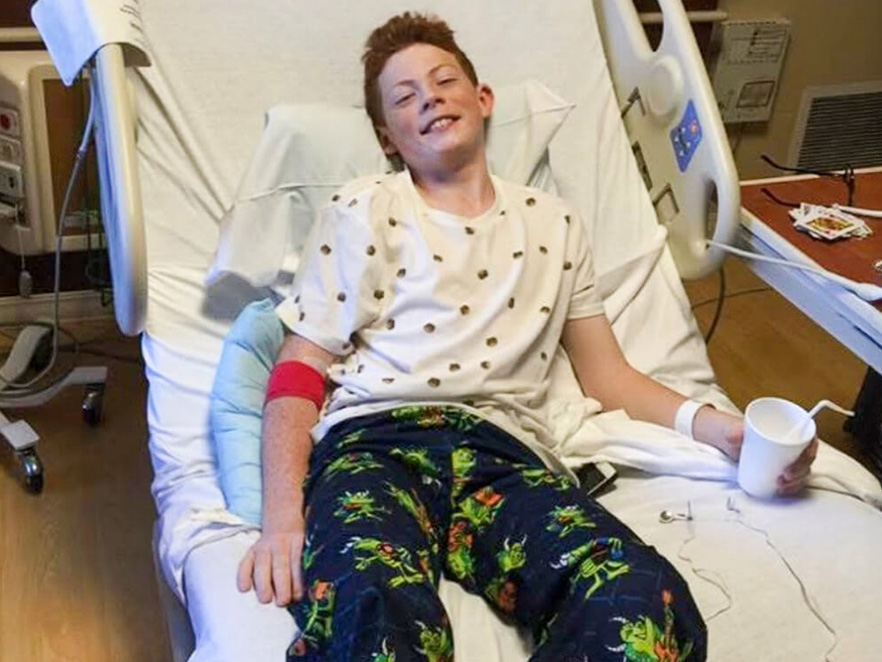
A check with his sister’s glucose meter prompted a trip to the ER, which ultimately confirmed their suspicions. Cooper spent the next three days in the hospital.
Sporting Strength
Cooper credits his parents for letting him stay in sports. “A lot of kids have to quit,” he says. While he was active, his parents were keeping an eye on his CGM (continuous glucose monitor) through the app—something he admits he wasn’t always checking himself.
Middle and high school were still a grind, as Cooper figured out how to manage type 1 diabetes mostly on his own. He leaned heavily on his sister during that time. “She was a light for me when things were hard,” he says.
Cooper went out of his way to keep his diagnosis low-key. At military boarding school, he’d quietly step out of marching formation and hide his sensors during sports—anything to avoid the spotlight.
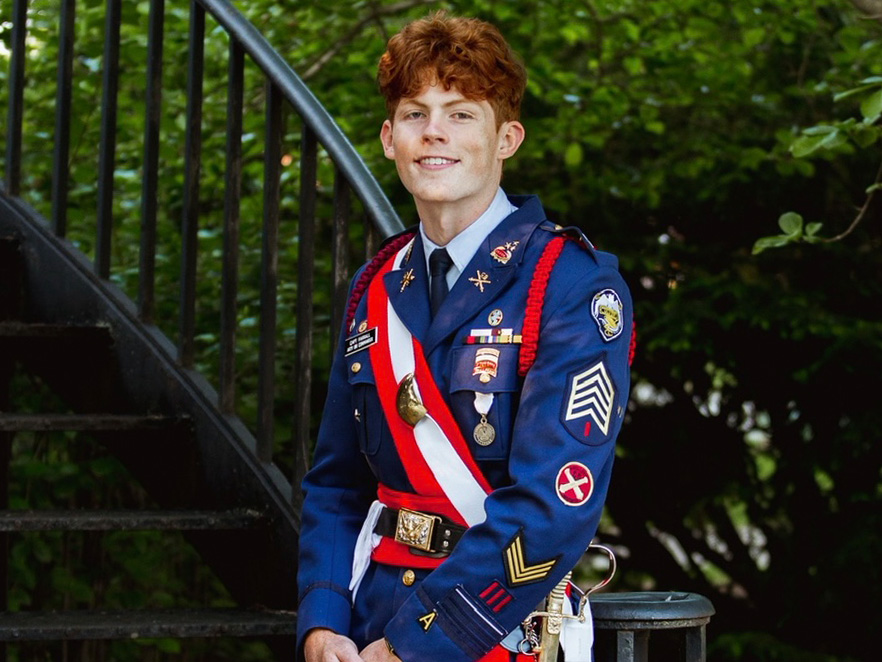
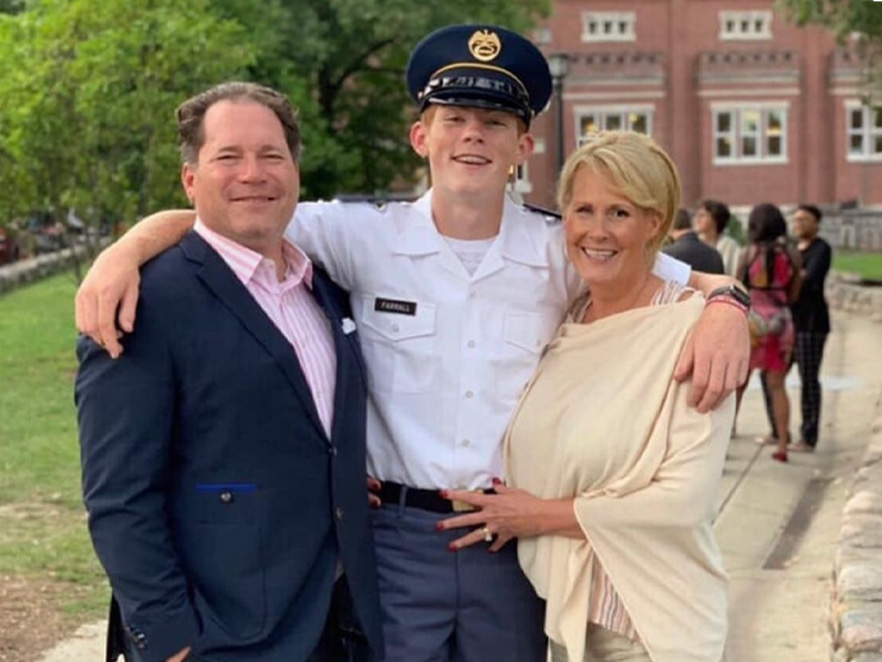
By junior year, that changed. Cooper started letting people in—counselors, teammates and coaches—shifting from doing everything solo to building a real support system. “You’re bound to have a bad low at some point,” he says. “Eventually, you have to tell someone.”
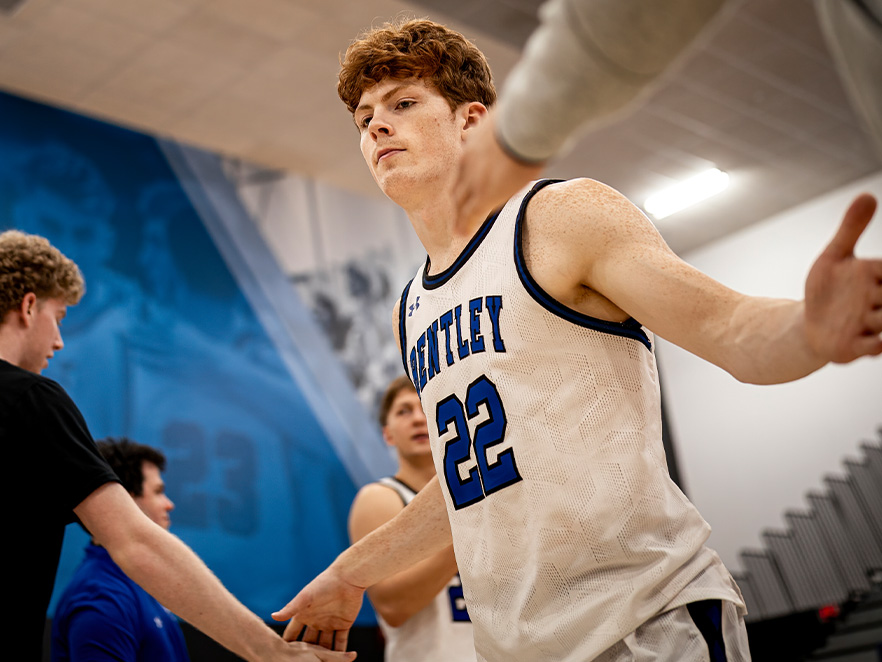
Courtesy: Ryan DeSantis/Bentley Athletics
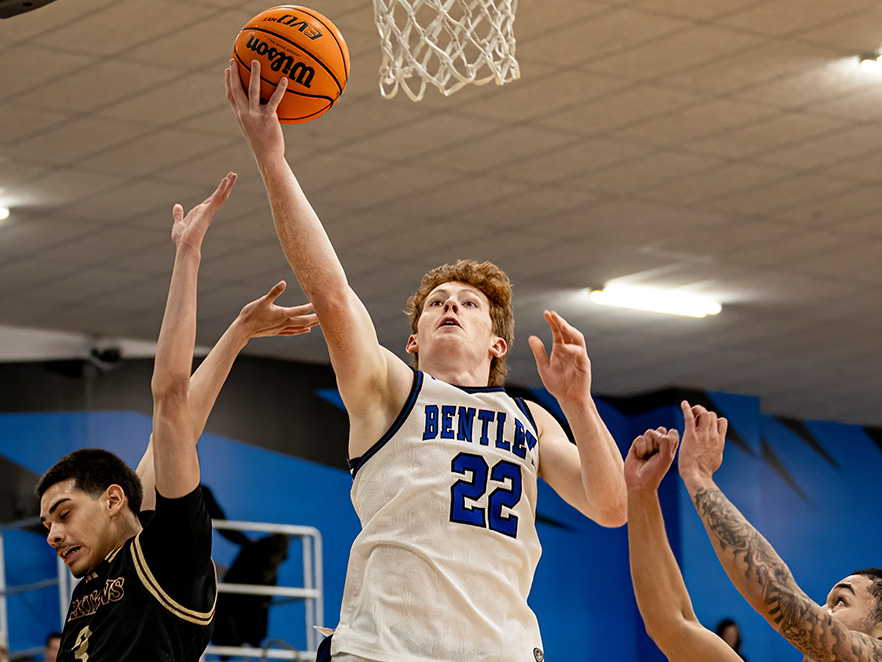
Courtesy: Ryan DeSantis/Bentley Athletics
Full Court Openness
Fast forward to today: Cooper is a junior at Bentley University and an all-conference athlete on the men’s basketball team. He’s gone all-in on sharing his diagnosis, running an Instagram page dedicated to his journey and educating others about type 1 diabetes as a whole—and it’s already grown to more than 9,000 followers. “It took me years to be open about it,” Cooper says. “I wasn’t really comfortable talking about it until about a year ago. Then I was like, ‘Let’s actually do something with this,’ instead of just hiding it.”
Cooper’s story proves that opening up doesn’t mean losing control—it means gaining support, strength and purpose. Whether you’re newly diagnosed, 10+ years into your journey, or supporting someone you love, it’s important to know you don’t have to carry it alone.


Author
Dalila Brent
Related Resources

Not everyone has access to a Whole Foods. Not everyone has a kitchen. And not...
Read more

The short answer is: yes, you can! But it comes with a little nuance, especially...
Read more

It's my second trip to the hospital in a month. I've already missed five days...
Read more