Do You Know How to Save a Life with Emergency Glucagon? You Should
Written by: Ginger Vieira
6 minute read
March 3, 2026
You’ve probably heard of the EpiPen and how it can save someone’s life if they’re having a severe allergic reaction to things like a bee sting or peanuts. But you may not know about emergency glucagon, even though it’s a similar life-saving tool for people living with diabetes if they’re having a severe low blood sugar (also known as severe hypoglycemia).
In this guide, we’ll walk you through what you need to know about glucagon, when to use it and how to help someone experiencing severe low blood sugar who is unable to help themselves.
First, what is low blood sugar?
If you don’t know what to watch for, it can be hard to tell when someone’s blood sugar is very low.
Low blood sugar happens when your blood glucose drops below 70 mg/dl (3.9 mmol/L). Severe lows start at 55 mg/dL (3.1 mmol/L). Your body, especially your brain, needs glucose (sugar in your blood) to work properly. Your brain depends on a steady supply of glucose every second.
The hormone insulin, along with some others, helps keep your blood sugar at a safe level so your body has energy to do its job. People with diabetes (PWD) either don’t make enough insulin or can’t use the insulin they do have well.
Symptoms of mild-to-moderate low blood sugar—70 mg/dL (3.9 mmol/L) to 55 mg/dL (3.1 mmol/L)—include:
- Anxiety, nervousness, or rapid heartbeat
- Behavior changes that mimic being drunk, even though someone hasn’t drunk any alcohol—in children, it may present as unusually goofy behavior instead
- Blurred vision
- Cold sweats and paleness
- Confusion and difficulty concentrating
- Drowsiness, tiredness or weakness
- Headache
- Nausea
- Nightmares or restless sleep
- Shakiness or trembling
- Slurred speech
- Super hungry
Symptoms of severe low blood sugar include:
- Unable to eat or drink
- Seizures
- Convulsions: a medical episode where muscles suddenly and uncontrollably tighten and loosen, which usually causes the body to shake violently
- Loss of consciousness
- Coma
If your friend, family member, coworker or even a stranger on the street is experiencing symptoms of moderate-to-severe low blood sugar, you could save their life with emergency glucagon.
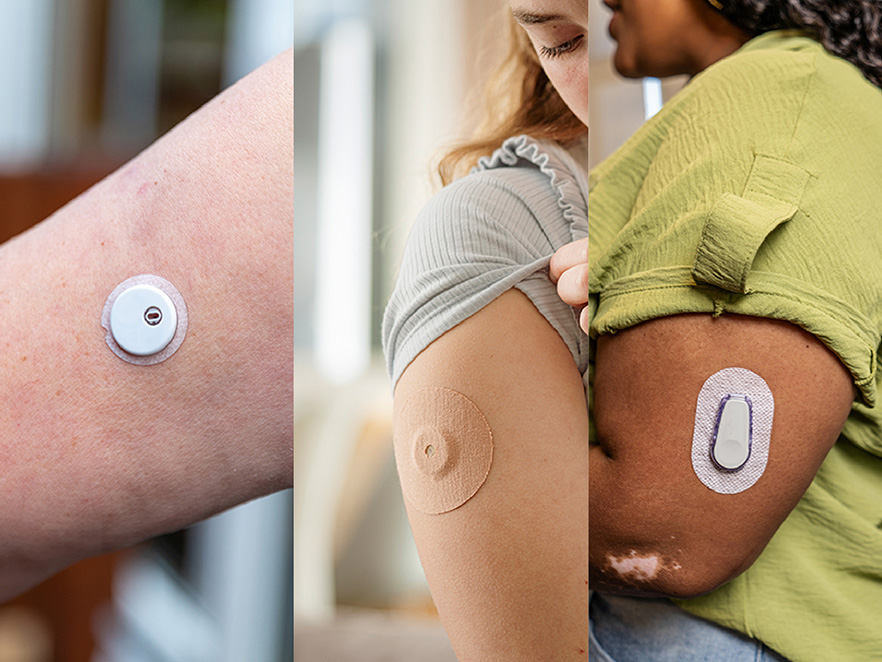
How can you find out what someone’s blood sugar level is?
You can check a person’s blood sugar using a blood glucose meter (BGM) or a continuous glucose monitor (CGM).
A BGM can take too long if someone’s blood sugar is very low and they need help fast. A CGM sensor, usually on the arm or stomach, can give a quick reading.Look for a small, round or oval medical device attached to the person.
But don’t too long because very low blood sugar can quickly become life-threatening. If the person is unconscious or disoriented, don’t check their blood sugarreading—give them emergency glucagon instead.
After giving it to them, call 911 right away.
What is an emergency glucagon?
Emergency glucagon is used to treat extremely low blood sugar, also called severe hypoglycemia, mainly in PWD who take insulin or other medications to lower blood sugar.
Glucagon is a hormone made by your pancreas. It tells your liver to release stored sugar, called glycogen, which helps prevent low blood sugar in people without diabetes.
In people without diabetes, blood sugar stays steady naturally, thanks to a balance of insulin and glucagon that adjusts automatically with meals, activity, hormones and more. PWD have to work hard all day to keep their blood sugar balanced with insulin, glucagon, food, activity, stress and hormones.
Even though PWD make some glucagon, they often cannot produce enough during very low blood sugar episodes. That’s why emergency glucagon shots are so important to have on hand for PWD and for everyone (regardless of whether they have diabetes) to know how to use them.
When should you use an emergency glucagon?
Emergency glucagon should be used when:
- Food or drink is not correcting low blood sugar
- A person is unable to eat or drink
- A person is seizing or convulsing
- A person is unconscious
- A person is unresponsive
What are the types of emergency glucagon?
Many PWD carry emergency glucagon in their purse, bag or backpack. Some keep emergency glucagon on their desk or in an easy-to-access place at home.
If you know someone with diabetes, ask them to let you know where they keep their glucagon in the event of a severe low blood sugar emergency. Even if they’ve never had one before! You can never be too careful.
While there was only one option for decades—and it was complicated to use—there are many new and improved emergency glucagon treatment products available today, including:
- Nasal glucagon—Baqsimi®: This is an emergency glucagon that’s administered through your nose.
- Glucagon pen—Gvoke HypoPen®: This is a premixed glucagon injection that you press against your thigh. The auto-inject device makes it quick and easy to use. It is also available in a prefilled syringe (PFS).
- Glucagon Prefilled Syringe—Gvoke Kit®: This is a premixed glucagon vial with a syringe, allowing you to draw up the dose manually and inject it directly into your thigh.
- Glucagon pen—Zegalogue®: Also a premixed glucagon, available as an easy-to-use auto-inject device. It is also available in a prefilled syringe (PFS).
How to use emergency glucagon on someone with severe low blood sugar
First, make sure they are safe and not hurt, especially if they are unconscious or having a seizure. If someone starts to have a seizure, like if they are standing or walking (yes, that can happen), carefully move their body to a safe position and place.
Another example is if they are sitting at the table or on a treadmill. Before or during a seizure, try to keep them safe from falling or injury and from nearby cars if they are on the street.
Next, locate their emergency glucagon. It may be in their bag, on a nightstand, on their office desk or somewhere close to where they spend a lot of time.
Place the person on their side, then follow the directions on the emergency glucagon. Administer according to the directions. Once administered, call 911 immediately. Do not wait!
Keep the person with low blood sugar safe
Stay with the person until help arrives. After being given a dose of an emergency glucagon, some people might feel sick, confused or scared. Keep them on their side to ensure they are safe during any of these side effects.
Talk to your friends, family and coworkers who have diabetes and might be at risk of low blood sugar. Let them know you’re willing to learn how to help if they get really low. They might feel embarrassed or like it’s a bother to ask for help. Remind them you want to help and you care.
You could save a life.
Are you passionate about raising awareness of the signs of diabetes? Become a #SeeTheSigns ambassador! Join the global movement with a simple message to see the signs of diabetes.


Author
Ginger Vieira
Related Resources

If you live with diabetes and take insulin you've probably experienced low blood sugar. Low...
Read more

In a perfect world, you would be able to enjoy your favorite outdoor activities without...
Read more

As a person with type 2 diabetes, experiencing severe low blood sugar levels is scary...
Read more