Fueled by Grit: Josh Silverman’s Road to the NYC Marathon
Written by: Dalila Brent
3 minute read
October 27, 2025
Josh Silverman has always led an active lifestyle—from his early soccer days to weight training in college, and eventually making the shift to running. Diagnosed with type 1 diabetes at 15, he quickly learned how to balance his health with his passion for sports—a challenge that shaped both his mindset and his independence.
Over the years, building community has become just as important to Josh as building endurance. Growing up in Arizona, he began volunteering with the local American Diabetes Association chapter, which eventually inspired him to help launch a camp for kids living with diabetes. All the while, he’s continued pushing himself to prove that type 1 doesn’t define or limit what’s possible. We caught up with him while training for the NYC Marathon as part of Beyond Type Run’s 2025 marathon team.
*Responses have been edited for brevity and clarity
Why did you choose to run the NYC Marathon, and why with Beyond Type 1?
I made a New Year’s resolution to start running more, and I ran my first half marathon in Chicago in 2024. I ended up running four half marathons since then, and the next step was obvious: a full marathon. With my strong connection to the type 1 community, running the NYC Marathon with 55 other people with diabetes, raising money and representing the progress our community is making felt like a natural next step.
What’s one thing about training that took you by surprise?
There’s definitely a time and gear commitment. If you’re running four or five days a week, you need decent workout clothes to log all those miles—and be ready for the extra laundry that comes with it. Shoes are another factor: they’re consumable, and you can only put so many miles on a pair, which means going through multiple pairs in a year.
What physical adjustments—especially around food—have you made while training?
When you’re pushing your body this hard, nutrition becomes everything. For me, it was about revamping my diet to get enough calories in to support marathon training. It was actually the first time I gave myself the green light to eat carbs in serious quantities. Once I hit my carbohydrate goals, I focus on adding healthy fats which help me meet my calorie goals without overdoing volume. Typical meals for me in this training block include pasta with meat sauce, grilled chicken with brown rice and salad, or chicken tacos.
What is your go-to tech and how has it helped you train and run safely?
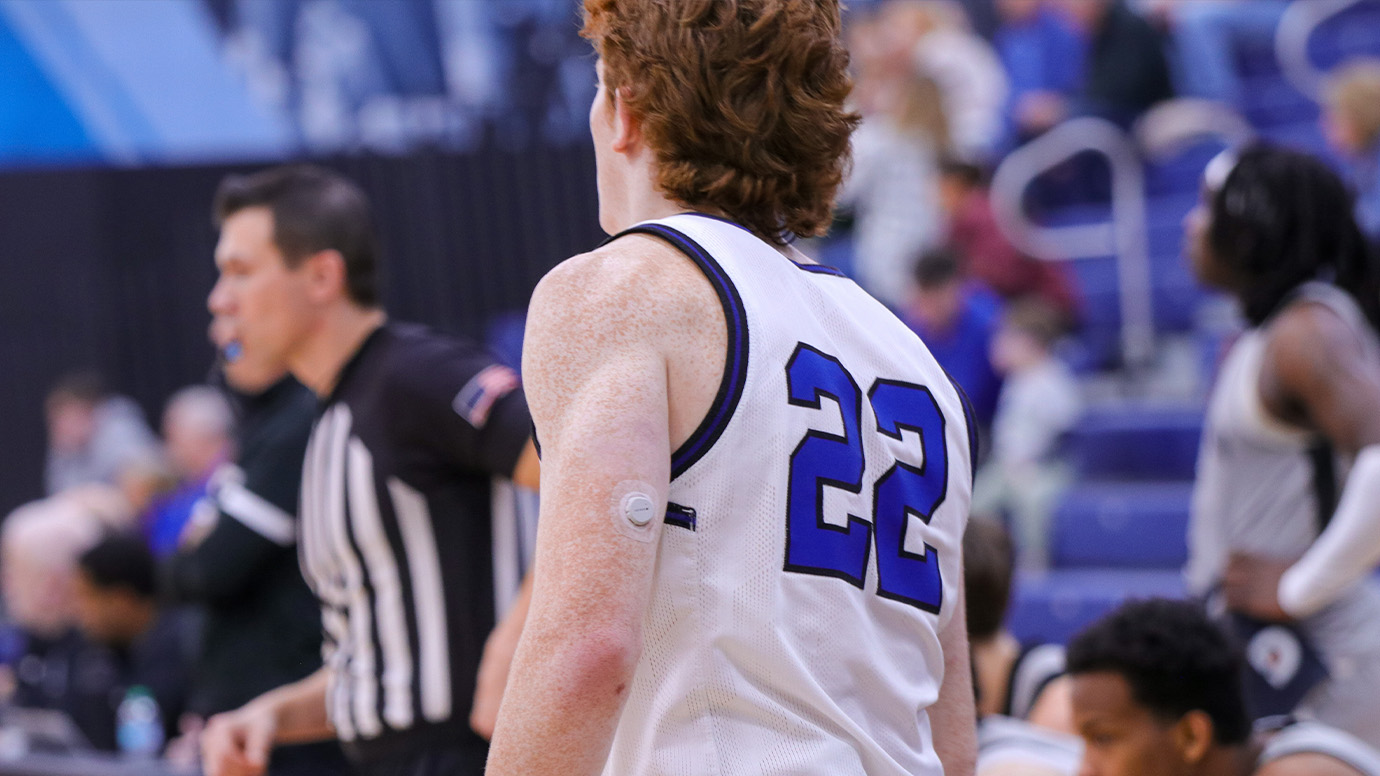
Dexcom was the first company to really do continuous glucose monitoring, and [their CGM is] a product I’ve trusted from the start. For someone diagnosed today, having a Dexcom—constantly tracking glucose levels every five minutes—is a total game changer compared to the finger sticks I relied on in high school. It’s like comparing a single photo a day to a full movie: the insights you get are irreplaceable. I use the Dexcom CGM and it’s what’s got me nerding out on my own data—paying closer attention to how food, sleep and training affect my blood sugar. Dexcom lets me interpret all of that with minimal effort, and that’s why it’s been so successful in my eyes.
What’s been the most rewarding or surprising part of this journey?
Running 26.2 miles sounds huge—like climbing Mount Everest—and it can feel unattainable at first. But the truth is, any big goal can be broken down into smaller steps, and that’s what makes it doable. With type 1, our sense of mortality is higher. We’re constantly “flying this plane,” trying to keep blood sugar in range, knowing that if we miss a dose or go too low, the consequences can be serious. But the team and I are proving it’s manageable. We can’t completely eliminate the risks of running a marathon with type 1, but at some point you just tell any remaining fear to sit down in the corner while you go do this big, crazy thing.
One piece of advice you’d pass along to another marathon runner with diabetes?
For anyone with type 1 considering something as big as a marathon, it’s important to know you’re in the driver’s seat. We can do anything, it just might take a few extra steps, and even some experimentation. Bonus advice—you’re never alone. A huge unlock for me was getting in touch and staying connected with a T1D community taking on the same challenge. There’s real power in learning from each other’s wins and challenges—and getting support along the way.
This content was made possible by Dexcom, an active partner of Beyond Type 1. Beyond Type 1 maintains editorial control over its content.
Author
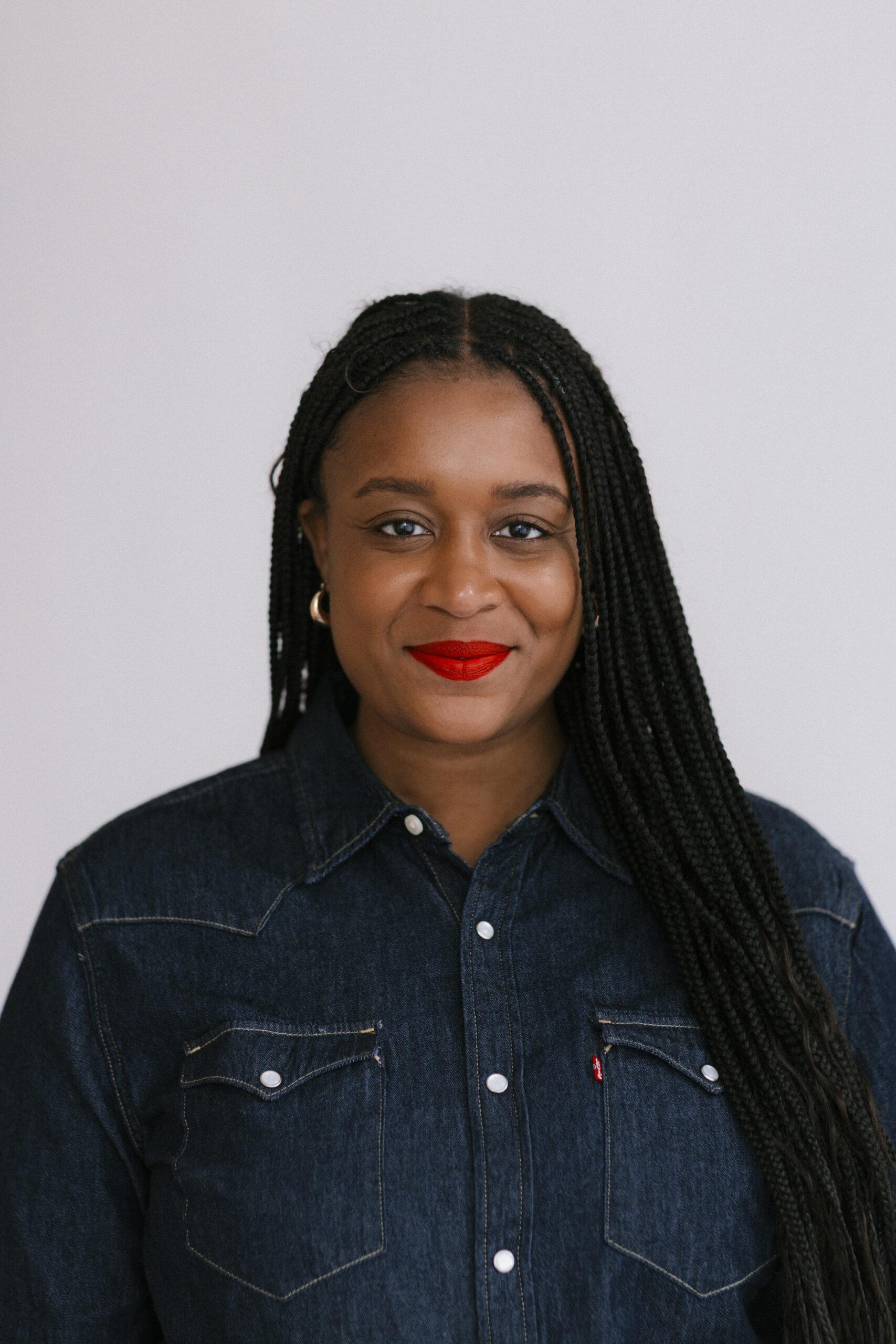
Dalila Brent
Related Resources

Diabetes feels heavy—mentally, emotionally and physically. Stress, shame, fear of checking your numbers, frustration and...
Read more

Parenthood has a way of rewriting everything you think you know, especially when a child...
Read more
A diabetes diagnosis can hit like a lightning bolt—especially when it’s type 1 diabetes and...
Read more