Love Someone with Diabetes? How to Help During a Low Blood Sugar Episode
Written by: Erika Szumel
4 minute read
March 4, 2026
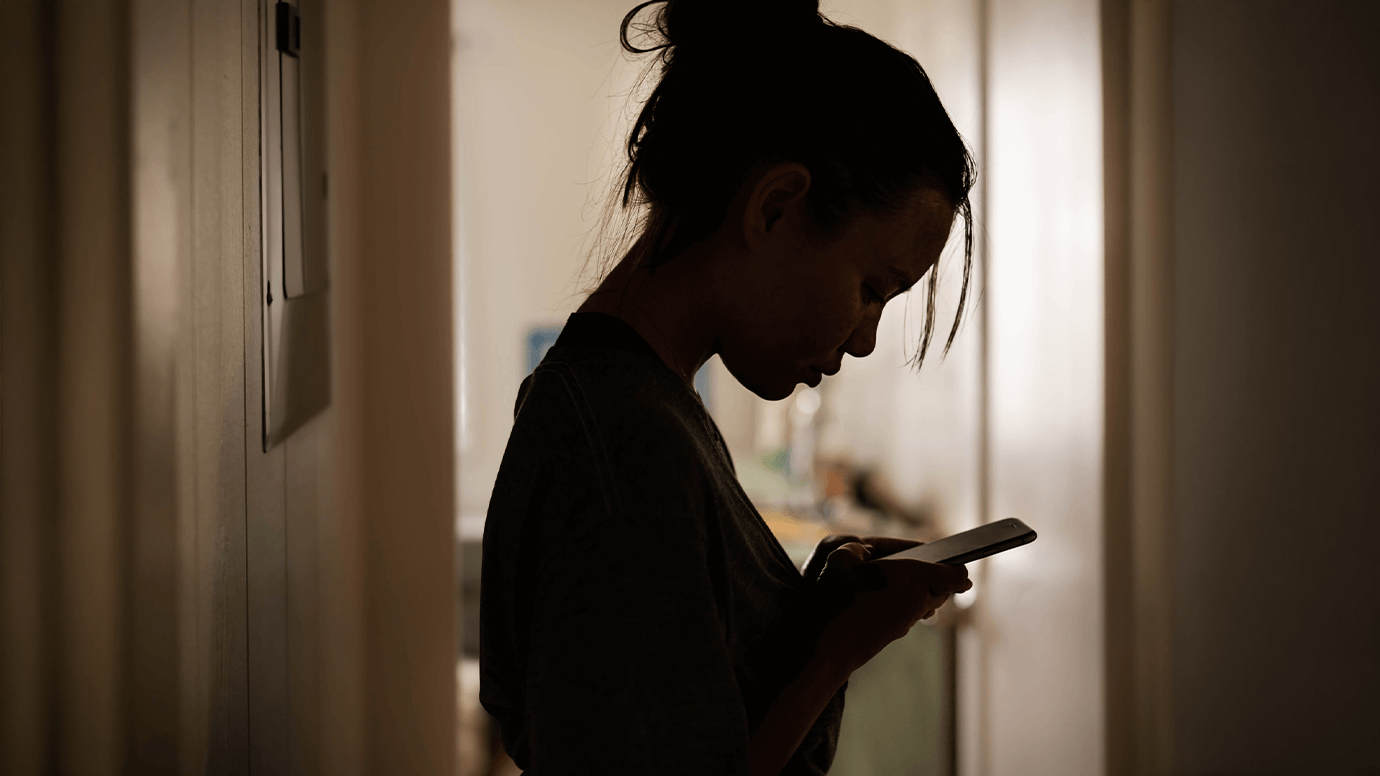
Low blood sugar can make people with diabetes (PWD) feel exhausted, frustrated and scared. Sometimes, PWD need support during low blood sugar episodes because of confusion, weakness or loss of coordination.
Lows can quickly become life-threatening, especially if they’re not caught early.
If you love someone with diabetes or are a stranger who simply cares and wants to be prepared for the unexpected, this guide walks you through how to support someone with diabetes during a low blood sugar episode.
Use basic low blood sugar treatments if the low is not urgent
If a person with diabetes is alert and awake and able to safely chew or drink their low blood sugar treatment, ask them where it is and what it is. Bring it to them and watch as they take it. Make sure it works and that their blood sugar starts to go up.
They might use a continuous glucose monitor (CGM) or a blood glucose meter (BGM) to check their blood sugar. Ask them how to read their levels so you can work together to make sure their blood sugar is back to a healthy range—70 mg/dL (3.9 mmol/L) or above.
Usually, it takes about 15 minutes for a person with diabetes to recover from a low blood sugar episode. If their blood sugar levels still don’t go up after this time, repeat the cycle.
People with diabetes often keep their low blood sugar treatment nearby in a backpack, purse, locker or another easy-to-reach place. Common treatments include juice packs, glucose tablets, gels, powders, fruit snacks or hard candies.
What’s considered low blood sugar?
Low blood sugar levels begin at 70 mg/dL (3.9 mmol/L). They become severe at 55 mg/dL (3.1 mmol/L). This is when the risk for seizures, loss of consciousness and coma creeps. Even if someone with diabetes tells you that they are 55 mg/dL (3.1 mmol/L) or lower and can just chew or drink their low blood sugar remedy, it’s always better to be safe than sorry. If you’re second-guessing, treat with glucagon.
While many people with diabetes know their bodies and responses well, diabetes is a surprising disease. Unexpected bodily responses can happen, so severe low blood sugar treatment should be available nearby. And you should be ready to act.
If their blood sugar is falling rapidly—you might see a down or double-down arrow on their CGM—it’s extremely important to consider using emergency glucagon when low blood sugar levels are severe.
Use emergency glucagon if the low is urgent
If the person with diabetes is not alert, awake or able to chew or drink their low blood sugar treatment, do not give it to them. This can cause them to choke.
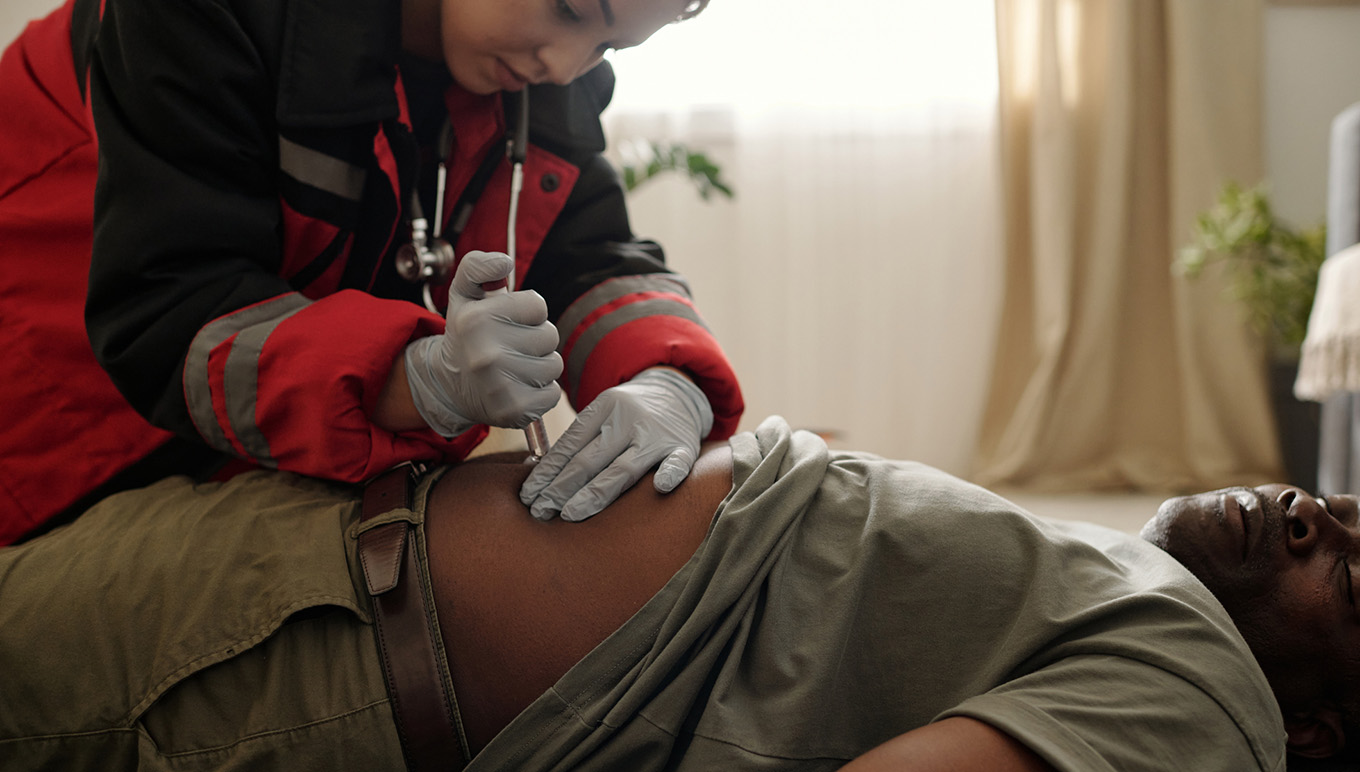
Instead, locate and administer their emergency glucagon as quickly as possible. Emergency glucagon comes in many forms:
- Nasal glucagon—Baqsimi®: This is an emergency glucagon that’s administered through the nose.
- Glucagon pen—Gvoke HypoPen®: This is a premixed glucagon injection that you press against the thigh. The auto-inject device makes it quick and easy to use. It is also available in a prefilled syringe (PFS).
- Glucagon Prefilled Syringe—Gvoke Kit®: This is a premixed glucagon vial with a syringe, allowing you to draw up the dose manually and inject it directly into the thigh.
- Glucagon pen—Zegalogue®: Also a premixed glucagon, available as an easy-to-use auto-inject device. It is also available in a prefilled syringe (PFS).
Quickly read the instructions on the emergency glucagon device and administer. Immediately after administering, call 911. Stay with the person until help arrives.
Lows are scary for everyone, but manageable
Knowing how to respond during a low blood sugar emergency can save a life.
Just as life-saving skills like CPR, using an EpiPen and the Heimlich maneuver are widely taught, emergency glucagon should be too. This way, more people are prepared to help someone with diabetes during a severe low blood sugar emergency.
Millions of people live with diabetes worldwide, and you could be the one to help them someday.
Download the printable version of this guide to share with friends, family, at school, at work—you name it! Hang it on your fridge or a community bulletin board. You never know how much spreading awareness helps.
Educational content related to severe low blood sugar is made possible with support from Zealand Pharma, an active partner of Beyond Type 1 / Beyond Type 2 at the time of publication. Editorial control rests solely on Beyond Type 1 / Beyond Type 2.
Want to do more to raise awareness of not just low blood sugar but also the signs of diabetes? Become a #SeeTheSigns ambassador! Join the global movement with a simple message and a difference in your community.

Author
Erika Szumel
Erika has been living with type 1 diabetes since 2000 and began her career as an associate producer, working at NBC's Oxygen. When she's not writing about her favorite places (or planning a trip), she's jammin' out to classic rock. Living at the Jersey shore, Erika is a lover of the little things, the ocean and pork roll.
Related Resources

Low blood sugars can be one of the hardest parts about living with diabetes.Even if...
Read more

Nighttime lows—aka nocturnal hypoglycemia—can be scary and dangerous. Especially if your doctor has never talked...
Read more

A student with type 1 diabetes (T1D) may need support at school from teachers or...
Read more