How to Handle a Low Blood Sugar When Alone in Public
Written by: Daniel Trecroci
7 minute read
August 13, 2025
You’re walking home or browsing a busy market when dizziness and sweat hit. It’s likely low blood sugar. You check your bag and find no glucose tabs or candy. You’re alone in public, and no one nearby knows you have diabetes. Moments like this demand fast, clear action. And knowing what to do can change everything.
This article will cover:
- How to recognize early signs of low blood sugar.
- Quick actions you can take in public.
- What fast-acting carbs to carry or find nearby.
- How to stay calm and monitor your symptoms.
- Why it’s crucial to always have glucagon.
- How to ask for help — even if you’re nervous.
- Ways your phone can help when you’re on your own.
- Key takeaways to stay safe and prepared.
Recognizing early signs of low blood sugar
A low blood sugar when you’re alone in public can sneak up fast and acting quickly is crucial.
- Watch for shaky hands, sweating, sudden hunger, dizziness or brain fog.
- These are early warning signs—act fast to stay safe.
- Not sure if it’s a low? Treat first, check later.
Your body is sounding the alarm. Catch it early to stay upright, stay safe and skip the scary stuff.
Quick moves during a public low
If you feel symptoms of hypoglycemia, do the following:
- Sit down somewhere safe: Keeps you steady and protects from falls.
- Feeling weak or unsure? Ask someone nearby for help.
- Have Medical ID? Point to it or show your diabetes card to speak for you.
- Language gap? Use gestures or show a phone message to explain.
Fast-acting carbs = your secret weapon during a public low
Keeping fast-acting carbs nearby is your best defense against low blood sugar when you’re alone in public.
- Pack smart: Glucose tabs, juice boxes, jellybeans, or Smarties—all pocket-friendly.
- No snacks? Grab 15–20g of sugar from a nearby café: juice, soda (not diet), or gummy candy.
- Build a grab-and-go kit: With shelf-stable carbs so you’re always ready.
Hypothetical: “What if I forgot my snacks?”
Solution: Check cafés, stores or vending machines for juice, soda or candy. Say it’s for a medical emergency if needed.
Stay calm and take control during a low
- Breathe: Inhale for 4 counts, hold and exhale slowly.
- It helps you focus while sugar starts working.
- Treat: With fast-acting carbs, then wait 15 minutes.
- Still low? Repeat the treatment.
Hypothetical: “How long should I wait before I start walking again?”
Solution: Wait at least 15–20 minutes and, if known, when your glucose is back to a safe range. Don’t stand until you feel steady.
What people with diabetes carry and tell themselves during a low
When a low hits in public, preparation is key. Everyone has their own rituals, but the common thread is preparation, self-compassion and trusting your plan.
Here’s what people living with diabetes rely on to stay safe and steady when alone:
- “I always carry sweets (usually Skittles or Swedish Fish) and glucagon. I always tell myself ‘You know what to do! You’re prepared and you’ll be alright!’” — Mariana Gomez
- “I focus on caring about literally no one around me but myself in those moments. (i.e. who cares if I rip open this juice in Target and chug it before I’ve paid for it—judge me)” — Taylor Rindfleisch
- “As someone living with type 2 diabetes, I carry sweets and have a mini soda on me most times. There’s a stockpile of sweets in my vehicles—that’s a popular place for me to go low.” — Fil Guipoco
- “Multiple fruit snack pouches and a juice box. Juice box hits faster so I feel safer if I have that. I also keep cash on hand in case a card reader’s down—it happened to me once when I had nothing to treat with.” — Lottie Frick
- “I always carry a pack of gummies or a GoGo Squeeze—whatever fits in my purse. When a low comes on, I remind myself the sugar will kick in soon. I sit, breathe and try to distract myself while I wait.” — Willa Besner
Why glucagon should always be in your kit
- Glucagon stops severe lows, even if you pass out.
- It works fast to raise blood sugar, usually in minutes.
- Glucagon comes as injections or inhalers, both pocket-sized.
- Instructions are easy-to-follow and some brands offer demo video.
- Train friends, family and coworkers.
- Anyone can step in when it counts.
Hypothetical: “What if I pass out and someone finds me?”
Solution: Glucagon + medical ID = fast help, even from a stranger. Clear kit instructions make it easy.
Need help when you are alone in public during a low?
- Say, “I have diabetes and need sugar” or “I’m having a low.”
- If speaking is tough, point to your medical ID or show your emergency card.
- Remember, most people want to help. They just need a cue.
Use your phone as a safety tool
Your phone’s your safety sidekick for handling lows in public.
- Add emergency contacts for quick reach.
- Use health apps for alerts, tracking and logging.
- Turn on location sharing so loved ones can find you fast.
- Some apps even share key medical info with responders.
Hypothetical: “What if my phone is dead?”
Solution: If your phone dies, backups matter. Wear a medical ID, carry quick-sugar snacks and an info card. Even without tech, you’re not alone.
Key takeaways for handling hypoglycemia alone in public
Managing low blood sugar when you’re alone in public takes preparation, awareness and a little courage.
But you’ve got this!
Here’s a quick guide to keep you confident on the go:
Do’s:
- Always carry fast-acting carbs.
- Keep glucagon and a medical ID with you.
- Act fast at the first sign of symptoms.
- Ask for help when needed.
- Use your phone to alert and track.
Don’ts:
- Don’t ignore early warning signs.
- Don’t wait too long to treat.
- Don’t assume someone else will know what’s wrong.
Daily Checklist:
- Glucose tabs or juice.
- Glucagon.
- Medical alert ID.
- Emergency contact card or app.
- Charged phone with location enabled.
Being prepared isn’t just practical. It’s also empowering.
The more you set yourself up with tools and backup plans, the less you’ll have to worry when real life gets unpredictable.
This content was made possible by Xeris Pharmaceuticals, an active partner of Beyond Type 1. Beyond Type 1 maintains editorial control over its content.

Author
Daniel Trecroci
Daniel Trecroci has been writing about diabetes for over 20 years. As one of the original team members at Diabetes Health, he spent more than a decade as Managing Editor, publishing thousands of articles and helping to establish the outlet as a leading resource for people living with diabetes. He later served as Content Manager for OneTouchGold, Johnson & Johnson/LifeScan’s official digital publication. Under his leadership, OneTouchGold earned the Web Marketing Association’s award for “Best Health & Wellness” website. Daniel has also written for Diabetes Research Institute, dLife, diaTribe, Healthline, CareDx, Pendulum Therapeutics, and Hero Bread.
Related Resources

Living with diabetes, you know that low blood sugar can be dangerous and needs quick...
Read more

At just 17, Collin Lloyd is making a name for himself in karting—on and off...
Read more
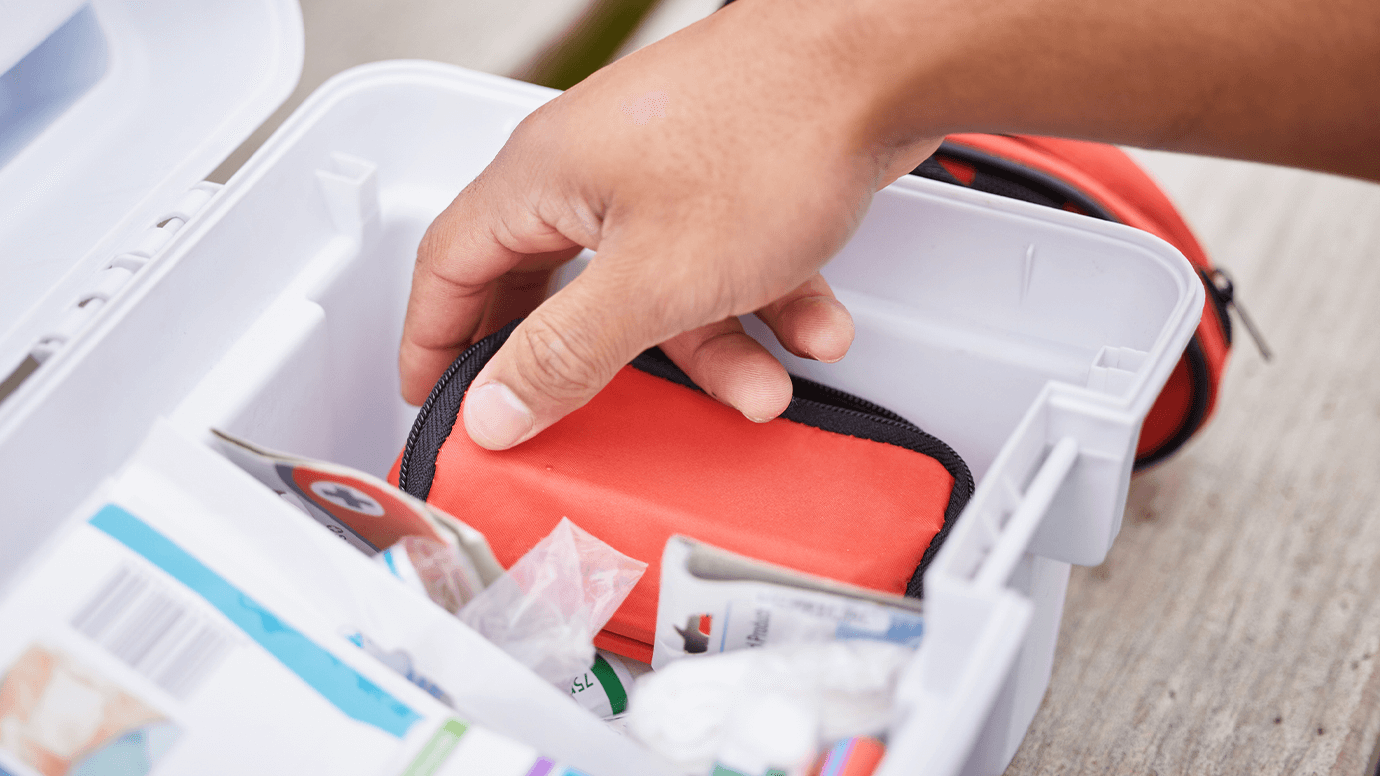
Managing diabetes requires ongoing preparation. Organizing your diabetes supplies isn’t optional—it’s essential. Quickly locating insulin,...
Read more