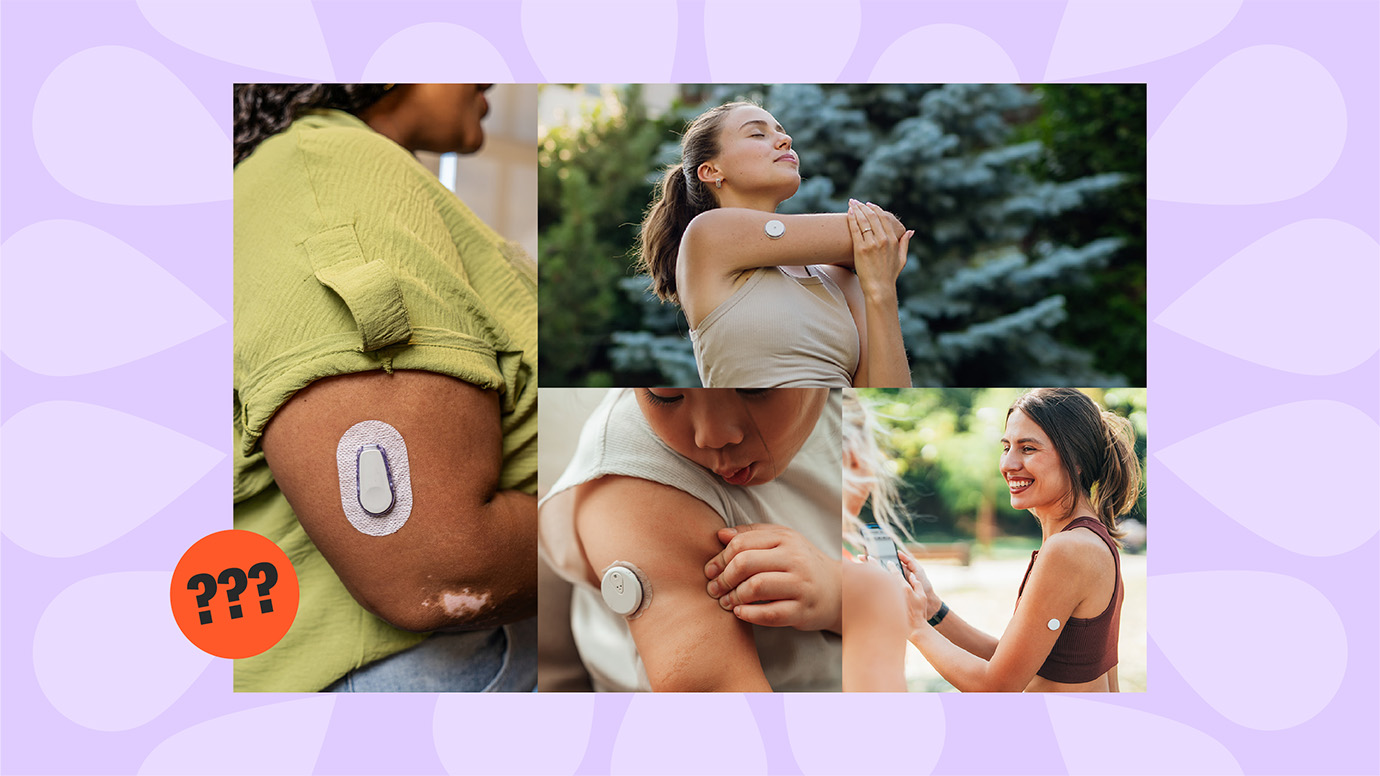
Beyond Type 1: What is an insulin pump?
Joy Cornthwaite: An insulin pump is a small device that delivers insulin continuously throughout the day. Some pumps have tubes, while others are tubeless. You can program the pump to give you insulin at mealtime or adjust your background (basal) insulin. Pumps are worn on your body and typically need to be replaced every two to three days.
Beyond Type 1: Why consider an insulin pump for T2D?
Joy Cornthwaite: Many people think insulin pumps are only for type 1 diabetes, but that’s not true. Pumps can be a great option for people with T2D who need insulin therapy. They offer flexibility and precise dosing and can reduce the need for multiple daily injections. Plus, pumps can help you stay in your target blood sugar range more consistently.
Beyond Type 1: What are some misconceptions about insulin pumps
Joy Cornthwaite: One common misconception is that insurance won’t cover insulin pumps for T2D. However, pumps are often covered as durable medical equipment (DME) or under pharmacy benefits. It’s worth checking with your insurance provider or asking your healthcare team for help.
Beyond Type 1: How can people with type 2 diabetes better understand insurance coverage for insulin pumps?
Joy Cornthwaite: Insurance coverage for insulin pumps can be tricky, but here’s a quick breakdown:
- Durable Medical Equipment (DME): This is covered under your medical insurance. DME providers work with your insurance to supply pumps and related items at discounted rates.
- Pharmacy Benefits: Some pumps are covered under pharmacy benefits, which are managed by pharmacy benefit managers (PBMs) like CVS Caremark or OptumRx. Coverage and deductibles may vary, so it’s important to ask questions like, “Is this covered under my medical or pharmacy benefits?” and “What are my deductibles?”
Beyond Type 1: How do insulin pumps help with food decisions?
Joy Cornthwaite: Insulin pumps can make managing meals easier. For example, pumps allow you to adjust your insulin for high-fat meals like pizza or exercise-related blood sugar changes. Features like extended boluses let you match your insulin delivery to how your body processes food, giving you more control over your choices.
Beyond Type 1: What are the challenges of using an insulin pump?
Joy Cornthwaite: While pumps offer many benefits, they’re not perfect. Some people find wearing a pump 24/7 uncomfortable or dislike the visibility of tubed pumps. Others worry about skin irritation from infusion sites. It’s important to weigh the pros and cons and choose a pump that fits your lifestyle.
Beyond Type 1: How can people with type 2 diabetes talk to their healthcare provider about an insulin pump?
Joy Cornthwaite: If you’re interested in an insulin pump, start by asking your healthcare provider if they can support you in using one. If not, ask for a referral to a specialist. Don’t take no for an answer—there are resources available to help you get started, even if you live in a rural area.
Beyond Type 1: Any final thoughts
Joy Cornthwaite: Insulin pumps can be a game-changer for people with T2D, offering flexibility, precision, and better blood sugar control. If you’re considering a pump, talk to your healthcare team and explore your options. With the right support, you can find a solution that works for you.
This content was made possible with support from Insulet, a Founding Partner of Beyond Type 1.