Turning Type 1 Diabetes Care Gaps Into Community
Written by: Dalila Brent
4 minute read
February 11, 2026
A diabetes diagnosis can hit like a lightning bolt—especially when it’s type 1 diabetes and no one’s shown you the ropes. That was exactly what happened to content creator Kalex Willzy.
He was diagnosed at 23 after rapid weight loss and constant bathroom runs set off alarms. The diagnosis came fast, but guidance didn’t. Kalex left appointments with more questions than answers and a sketchy roadmap for managing a condition that would change his life.
For years, he tried to navigate diabetes on his own, until he started building a community through his IG page—@typewondiabetes. Suddenly, he had support, guidance and an audience who truly got it. Using humor to call out the messy, unpredictable side of type 1, Kalex has connected with folks around the world, showing that diabetes doesn’t have to be faced quietly—or alone.
*Responses have been edited for brevity and clarity
From Diagnosis to Daze
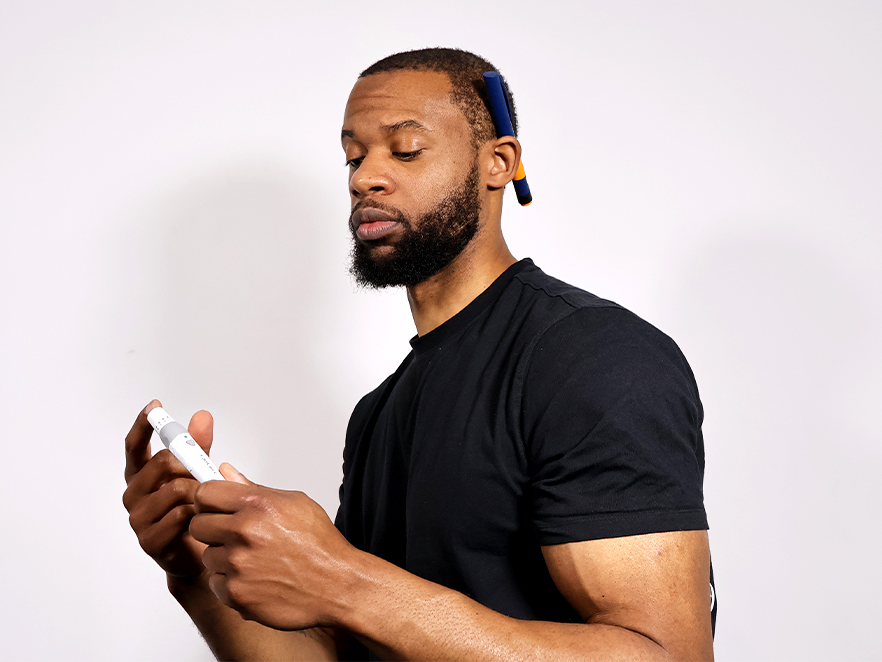
Honestly, it all happened pretty fast—like, from noticing symptoms to getting a diagnosis, probably no more than two weeks. I was 23, working airport security, hitting the gym a lot and thought losing weight was normal. Same with running to the bathroom constantly—I was drinking tons of water, so it seemed fine. Looking back, I was waking up at least ten times a night, but at the time, it just felt…normal. A colleague, an ex-pharmacist, noticed me going back and forth and suggested I might have diabetes. I laughed it off—23, fit, healthy, diabetes seemed like an “old person disease.” I only went to the A&E [the UK equivalent of the Emergency Room] because it gave me a day off work. My sugar levels were three times the normal range. I was told that I probably have diabetes, but to come back on Monday if I still feel ill over the weekend and they’ll do some more tests.
On Monday, they told me I never should’ve been sent home without medication. I got this rushed crash course in diabetes—put in a room with a nurse, handed an insulin pen and some fake skin, told what to do but not shown, then left alone for ten minutes to practice. She came back, asked if I’d tried it, gave me insulin and a meter and sent me on my way. The whole thing took maybe 20 minutes. I didn’t realize how much neglect there was until I talked to other people living with diabetes.
Quiet challenges, loud misconceptions
It was such a big lifestyle change that I didn’t want anyone to see me struggle. I hated needles back then, and I wanted to get over that privately. I don’t like sympathy or people treating me differently, so after the diagnosis I just wanted to re-emerge as my usual confident self—like, ‘I’ve got this.’
I didn’t really understand diabetes at all. Type 1 and type 2 were just an umbrella to me. I had the stereotypical view you see on TV: poor diet, overweight, no exercise. I was active in the gym, so it didn’t fit. I was the only one in my family with type 1, which just added to the confusion. It wasn’t until I started learning and hearing other people talk about it that I understood it’s autoimmune, that anyone can get it, and that it wasn’t my fault.
Welcome to the club
In 2018, I went to a panel on invisible illnesses and was surprised by how many people had questions about diabetes. Everyone knew the word, but no one really understood it. That’s when I realized social media could be a way to clear up misconceptions, but I didn’t want to act like an expert or teacher.
I wanted to create content and a vibe that resonates with people, where we can laugh about this—like, it’s not a death sentence anymore. As bad as it is, it doesn’t have to take away our sense of humor, our joy, our laughter. There are things we go through that are actually quite funny, inside jokes no one without diabetes would understand. It puts us in a sort of secret club. Like, join us. We have fun over here.
When content becomes connection
I learned so much about diabetes—honestly, probably more from the online community than anywhere else. I still go to my health care team, obviously, but seeing how other people manage things, how they get approved for equipment, that was eye-opening. I didn’t have a CGM for eight years because I didn’t even know I could get one. I thought if I really needed something, doctors would tell me. Then someone online was like, ‘Why haven’t you got one? You’re entitled to it.’ At my next appointment I asked, and the nurse literally left the room and came back with one. No discussion.
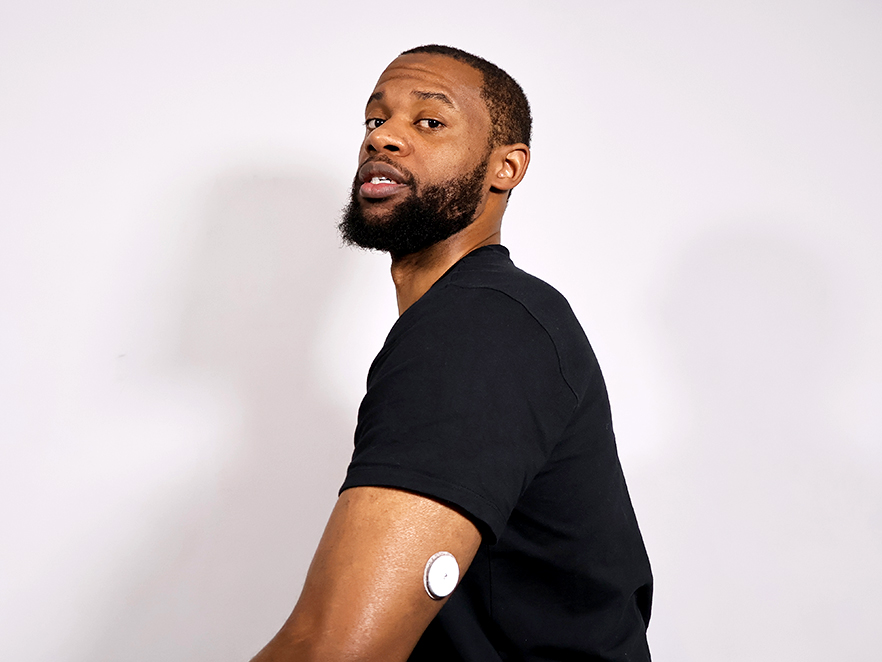
It’s opened up opportunities—podcasts, brand work, even a campaign with the government. That’s been really motivating, but honestly, I’d still do it even if none of that happened because I just enjoy creating content people connect with. Diabetes is a 24-hour thing, it’s behind every decision you make. And that can be exhausting. This has helped me find the humor and the joy in it. It’s part of me, but it doesn’t define me. And when people message saying my content made diabetes feel less heavy, or helped them find the community they thought they didn’t have, that’s when I really see the good in it.
Kalex’s story proves that opening up doesn’t mean losing control—it means gaining community, confidence and clarity. Whether you’re newly diagnosed, years into your journey or supporting someone you love, it’s important to know you don’t have to carry it alone. If you’re newly diagnosed, you can find resources, community and support at Beyond Diagnosis.

Author
Dalila Brent
Related Resources
A new routine can feel like a reset, whether it’s a new year or a...
Read more

You’ve already spent your life navigating a lifelong autoimmune condition that requires careful daily decisions...
Read more
Not wanting everyone to know everything you have going on is normal. But when it...
Read more