The Beginner’s Guide to Eating Well with Prediabetes
Written by: Eugenia Araiza, Diabetes Educator, Nutrition Specialist
10 minute read
September 2, 2026
If you just found out you have prediabetes, from what you have been explained, there might be something that you are still not completely clear about and that is essential to keep glucose levels in range: your diet.
So you just found out you have prediabetes. You’ve probably already heard the “move more” part. Fine, that one’s simple. The part people actually get stuck on is food—what to eat, how much and whether that means giving up everything you like.
Here’s the good news: you have power over what foods you eat. A little knowledge about nutrition, plus a few real meal ideas, goes a long way!
What does it mean if you live with prediabetes?
Prediabetes means your blood sugar runs higher than the target range but not high enough yet to be type 2 diabetes (T2D). It happens when your body isn’t using insulin well, or isn’t making quite enough of it—insulin being the hormone that moves sugar out of your blood and into your cells, where it actually becomes energy. When that process breaks down, sugar just sits in your blood instead.
And food is a big source of that blood sugar. So yes, what’s on your plate matters. A lot!
Know your nutrients
Food breaks down into three macronutrients—protein, fat and carbohydrates (carbs)—plus micronutrients like vitamins and minerals. Each one does something for you.
- Protein: comes from meat, eggs, cheese, beans, lentils and chickpeas, among other food sources. Protein helps you build muscle and skin, and helps move nutrients where they need to go.
- Fat: shows up in foods like walnuts, olive oil, avocados, butter and bacon. It fuels you, helps your body absorb vitamins A, D, E, and K and even has a role in hormone production. Just remember the type of fat you eat or drink matters because some fats are better for your health than others.
- Carbs: are your main fuel source, and they’re the ones with the biggest say over your blood sugar, since they break down into sugar once you digest them. But they’re not the enemy, unlike popular diabetes misconceptions suggest!
Know your carb types
There are two main types of carbs. Knowing how they impact your body and your blood sugar matters.
- Simple carbs: include things like table sugar, white flour, honey, soda and juice. Simple carbs are absorbed quickly and can spike your blood sugar.
- Complex carbs: include foods with fiber like vegetables, beans, whole wheat bread, pasta, potatoes and fruit. They get absorbed more slowly, so they’re gentler on your blood sugar.
Food isn’t “good” or “bad”
It’s time to dismantle the “good” and “bad” food labels in your mind! Assigning moral value to food never helped anyone. How much you eat matters just as much as what you eat. When something’s a habit, that’s worth paying attention to. When it happens once in a blue moon, that’s not something you need to worry as much about.
Yes, you can still have the slice of cake, just not every day. That’s a way of practicing moderation and what most humans should be doing regardless of diabetes!
One or two small cookies at a meal probably won’t spike your blood sugar much. Three mangoes in one sitting might, even though fruit is a genuinely healthy choice. Portion sizes matter a lot, which is why food tracking can be super helpful for people with any type of diabetes, or for weight management or weight loss goals. It can help you spot patterns and stay accountable to your food goals!
How to start eating for prediabetes today
One way to reshape your plate today is to aim for a food with protein, a food with fat and at least two foods with complex carbs at each meal. Whole foods like vegetables, whole grains, beans, nuts and fruit tend to beat heavily processed ones when you can manage it.
Losing even a little weight helps, too! Research shows losing 5% to 7% of your body weight, combined with regular movement, can cut your risk of developing T2D by more than half. “Regular movement” doesn’t have to mean the gym either. The CDC’s baseline recommendation is about 150 minutes a week for most adults, which breaks down to something as ordinary as a 30-minute walk most days.
Talk to your healthcare provider (HCP) if that number feels like too much or too little for you. You can make adjustments together based on your personal circumstances.
It’s also important to find movement you enjoy, whether that’s yoga, jumping rope, taking long walks, Pilates, strength training or kickboxing. When you love the way you move your body, being accountable to daily activity becomes easier and even something you begin to look forward to!
Simple food swaps you can make today
You don’t need to overhaul everything at once. That often results in a yo-yo effect, meaning you can return to old habits or find them worsening.
Small and steady changes add up faster than people expect—remember, it can take anywhere from 19 to 254 days to build a new habit!
Here are five simple food swaps you can start with:
- Swap white bread or white rice for the whole-grain version: this could help you avoid some processed foods or ingredients that don’t support your prediabetes goals.
- Add a serving of beans or lentils to a meal you’re already making: many people love blending them into pasta sauces or adding them to a salad or salad.
- Drink water instead of soda or juice: set a calendar reminder to start your day by filling your water bottle.
- Add a vegetable to a meal that doesn’t currently have one: you don’t have to eat a vegetable you hate—find one or a few you really like and start incorporating it into your meals more.
- Walk for 10 to 15 minutes after your biggest meal of the day: this will help with digestion and blood sugar management.
Pick one. Do it for a week. Then pick another. Find what works for you through trial and error. If you have a HCP supporting you throughout this process, stay in touch with them about your progress.
Pro tip: Working with a healthcare provider, certified diabetes care and education specialist, endocrinologist, and registered dietitian nutritionist can be super helpful as you reshape this part of your life. It’s not required but highly recommended, and if you like having a team to back you, it can be a helpful and insightful motivation, tailored to you! It’s ok if you don’t have a full team, just do the best you can with the team you have.
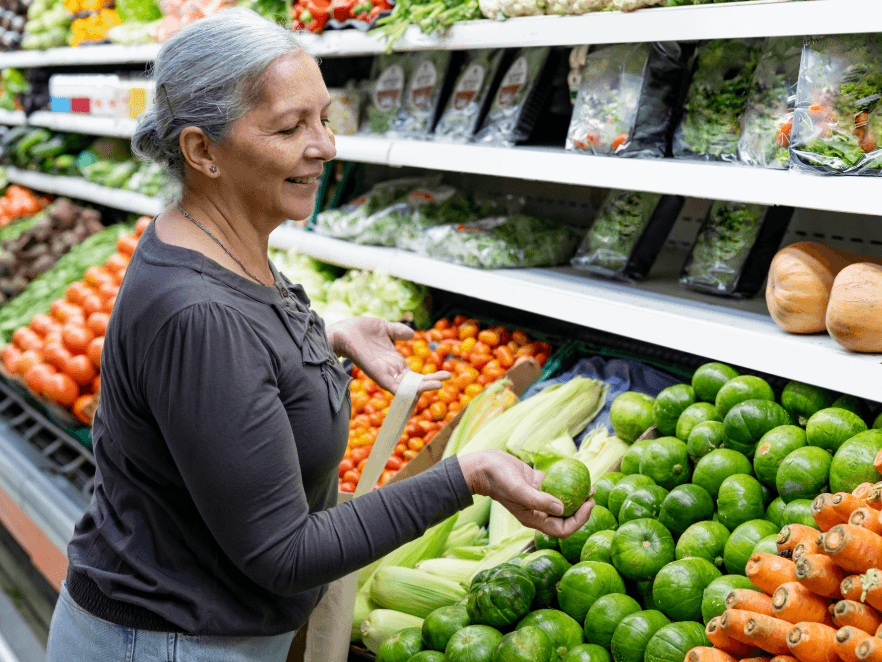
A sample day of meals
If you’re unsure where to start, this next section offers an example of a balanced meal plan you could implement as soon as this week (or at least after your next grocery shopping trip). Below, you will find what a day of balanced eating might look like.
Changing your diet doesn’t mean you have to throw out everything in your fridge all at once. Make gradual changes because those will lead to lasting results.
Remember: This is one option, not a rule—your own plan should depend on your weight, height, age, and activity level. It’s important to change things up in your diet, even when you find nutritious foods you love. Staying engaged and interested is important for sticking with your new habit.
Breakfast
- 1 scrambled egg with spinach and 1 slice of whole wheat toast
- 1 cup cubed papaya with ½ cup plain yogurt (no added sugar)
- Unsweetened tea or water
Mid-morning snack
- ¼ cup walnuts, almonds or peanuts
Lunch
- 1 roasted chicken breast, no breading
- A salad with 2 cups lettuce, 1 teaspoon vinaigrette and some avocado
- 1 slice whole toast and ⅓ cup cooked brown rice
- 1 small apple
- Water with lemon, no added sugar
Afternoon snack
- 1 cup jicama and cucumber with chili powder and lemon, no added salt
Dinner
- 2 small whole wheat quesadillas with panela cheese (a mild, fresh Mexican cheese), avocado and pico de gallo
- 1 glass low-fat milk
- Half of 1 pear
Every meal here has some protein, some fat and at least one complex carb, all in reasonable portions. If you prefer or need to eat other foods for medical reasons, that’s okay. It’s really about focusing on the whole pattern of your eating plan. Check out more meal and snack ideas from the American Diabetes Association’s Food Hub.
Build a new habit by tracking your food: 5 apps that can help
Building any new habit is easier when you can actually see it happening, and eating for prediabetes is no different.
Logging your meals can help you make changes in three major ways:
- It shows you patterns you’d otherwise miss.
- It keeps you honest about your portion sizes.
- It can help you get started, but doesn’t have to be a long-term solution if you don’t want it to be.
You don’t need anything fancy to start—here are three apps that make this easier:
- MyFitnessPal: this is the most widely used food-logging app out there, with a massive food database, options to log meals by photo, voice and barcode scanner. It can help you get familiar with portions and carb count fast.
- Undemyfork: this app combines meals logging by photo, syncs with a continuous glucose monitor (CGM) or blood glucose meter to calculate post-meal time in range for every meal. This app also allows you to tag a meal photo and your glycemic response for the same meal and situation comparison.
- mySugr: this app combines food logging with blood sugar tracking in one place, and it supports a built-in logbook that you and your HCP can review at checkups.
Pick one, not all three. If you’re not tracking your blood sugar either with a CGM or blood glucose meter (BGM), don’t worry about those features. Sometimes, people with prediabetes don’t need to monitor their blood sugar right away. However, if that happens in the future, apps that incorporate blood sugar tracking can make it easier to stay in the same app rather than switching all your data and setups.
The best app is the one you’ll actually open every day—that’s why exploring your options is important. Use what fits your unique circumstances.
Monitor your progress and take action if things change
Lifestyle changes take time to show up in your numbers, so don’t panic if nothing moves in the first few weeks. And give yourself grace when you don’t follow your new routine, because that’ll happen. It takes time to build this muscle.
But if you’re truly eating well, staying active and still noticing signs like unusual thirst, frequent urination, unexplained weight loss or exhaustion, call your HCP to check in. It could mean your plan needs adjusting or your health needs re-evaluation. Symptoms like this could indicate you are suffering from a misdiagnosis.
Either way, it’s worth checking, just to be safe. At least you can rule out anything more serious and see if simple tweaks are all you need.
Eating well with prediabetes doesn’t have to be unenjoyable
Eating well with prediabetes was never about cutting everything out. It’s about finding a way of eating that keeps your blood sugar steady and that you can actually live with and enjoy.
Prediabetes doesn’t mean your life has to suck now—you can thrive with it. You could even stop it before it progresses into T2D by following your HCP’s advice and making the right lifestyle changes, as explained in this guide and other important resources linked throughout.
Just found out you have prediabetes and not sure where to start? Beyond Diagnosis has beginner T2D guides that also help you take care for your health with prediabetes.


Author
Eugenia Araiza, Diabetes Educator, Nutrition Specialist
Eugenia has a degree in nutrition and is a diabetes educator. She was diagnosed with type 1 diabetes 23 years ago. She currently works at Healthy Diabetes https://www.facebook.com/healthydiabetesmx/ https://www.healthydiabetes.mx She really enjoys studying and helping others to manage their different types of diabetes.
Related Resources

If you live with type 2 diabetes (T2D) and find the frequency of multiple daily...
Read more

When you hear the words “diabetes research,” you might picture a scientist in a white...
Read more
For people living with type 1 diabetes (T1D), enjoying flatbreads from non-Western cultures can come...
Read more