Surviving Summer Heat with T1D
Written by: Christine Fallabel
5 minute read
June 15, 2026
Summer means a lot of things: no school, longer days, more sunshine and warmer weather. But if you live with type 1 diabetes (T1D), it can also mean more preparation for the heat, humidity, and the sticky, sweltering days that can make T1D more difficult.
Besides making managing blood sugars harder, for those tethered to insulin pumps or continuous glucose monitors (CGMs), the daily dance of “will my adhesive stick today?” can turn simple summertime into more of a headache than you planned for.
Managing adhesives in the summer
If you wear a CGM or an insulin pump, you already know that adhesives have a complicated relationship with summer.
Sweat, humidity, sunscreen, swimming pools and salty ocean water all seem to rally against the little patches that keep our devices in place.
In late summer, especially, adhesives meant to last a few days or a week might even come off before hitting the 24-hour mark.
Here are some ways to make sure your adhesives stick more securely:
- Change all sites right after you shower, so you’re applying new adhesive to clean skin (be sure you’re skin is also dry) that’s free of salt water, pool chlorine or sunscreen
- Clean the skin with isopropyl rubbing alcohol to clear away any sweat or grease from your skin
- Use a barrier adhesive wipe like Skin Tac
- For sites lasting more than a few days, it is helpful to wear an overpatch to help secure the site in place
- If your site is starting to become loose, change it early for a safer, better fit. Early is better than late (or having a site fall off!).
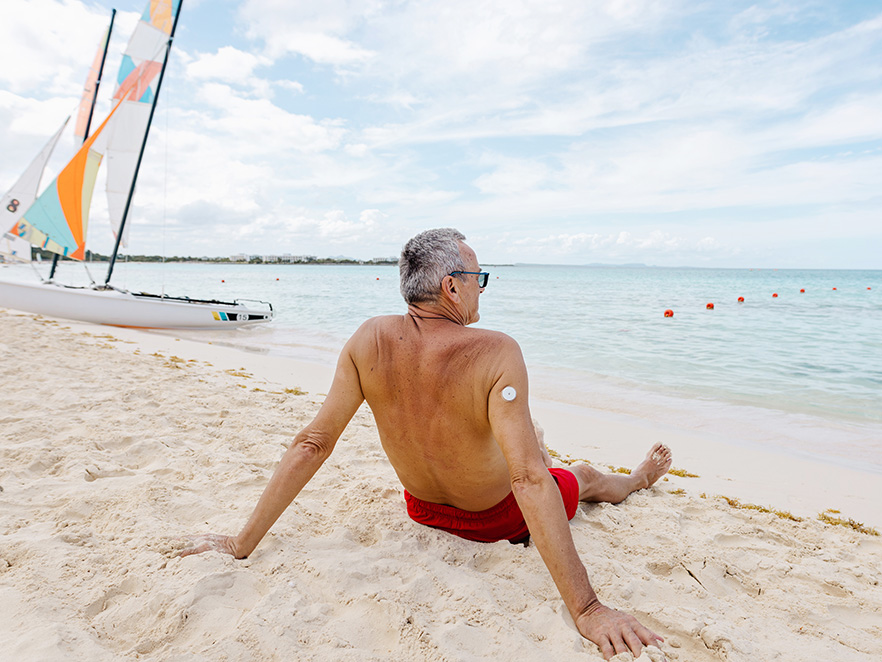
Protecting your meds from the heat
While many of us are looking forward to warmer weather, heat can be challenging for medications like insulin. Heat can also damage other diabetes supplies, including test strips, glucometers, insulin pumps and CGM receivers.
Store oral diabetes medications or insulin directly out of sunlight when you’re outdoors at the pool or on the beach, and never leave it in a hot car. At around 98 degrees Fahrenheit, insulin becomes denatured and will not work correctly. This can be dangerous if you’re traveling and do not have extra supplies on hand.
Some ways to protect your medications and supplies from heat include:
- Keep insulin and other medicines in a cooler when traveling, but don’t put insulin directly on ice or a gel pack. Frozen insulin is also dangerous and will not work correctly
- Frio insulin cooler packs keep insulin cold and store it safely
Never use insulin that has changed in appearance. If you see clumping, frosting, freezing, precipitation or discoloration, discard it.
Site changes and sunburns
Spoiler alert: they hurt. As if you didn’t already run out of pump and CGM sites throughout the rest of the year, summer can make it that much more difficult to find a place to pick a safe site on our body because of tan lines and sunburns.
Adhesives don’t stick as well to sunburned areas, and inserting a new site into irritated or peeling skin isn’t just painful—it can be harmful for your skin and blood sugar levels.
Even if you manage to place a site, inflammation can affect how insulin is absorbed, making blood sugars more unpredictable and unruly.
Protect yourself from sunburned sites by:
- Wearing sun-shirts or long-sleeved shirts when you’re outside to avoid sunburn
- Wearing sunscreen in the outdoors, with a minimum of 30 SPF
- Reapplying sunscreen after swimming in a pool or the ocean
- Staying in the shade when you’re at the beach or camping
- Opting for pump and CGM sites that don’t see the sun as much: stomach, upper thighs, and lower hips
- If all else fails, taking a short break from your pump or CGM and going MDI for a few days is always okay (under the guidance of your HCP)
Surviving summer heat takes trial and error
Over time, you’ll develop your own kind of summer survival toolkit. Living with T1D already requires constant attention and adaptability. Summer heat and humidity simply add more variables to the equation. And with it, you pivot. You’ll learn to plan a little more. Instead of coolers for parties, maybe it’s cooling pouches to protect spare insulin from extreme heat. You might carry extra supplies like backup infusion sets and sensors “just in case” because experience will teach you that devices have an uncanny ability to fail at the most inconvenient—and supposedly “fun”—possible moment. You’ll start to think ahead in ways most people won’t ever have to.
Like most things with diabetes, success comes down to a mix of preparation, patience and a healthy dose of humor. Because sites will fail, insulin will sometimes feel too warm and not work quite right. And at some point, everyone has auto-injected a CGM site right into a peeling sunburn.
But you can (and will!) adapt. You’ll grab some fresh insulin, replace the site and press the adhesive back down. And you’ll keep going.
Ready to share some summer survival tips with other T1Ds in the wild? Join our online community for resources and to connect with others living with diabetes.



Author
Christine Fallabel
Related Resources
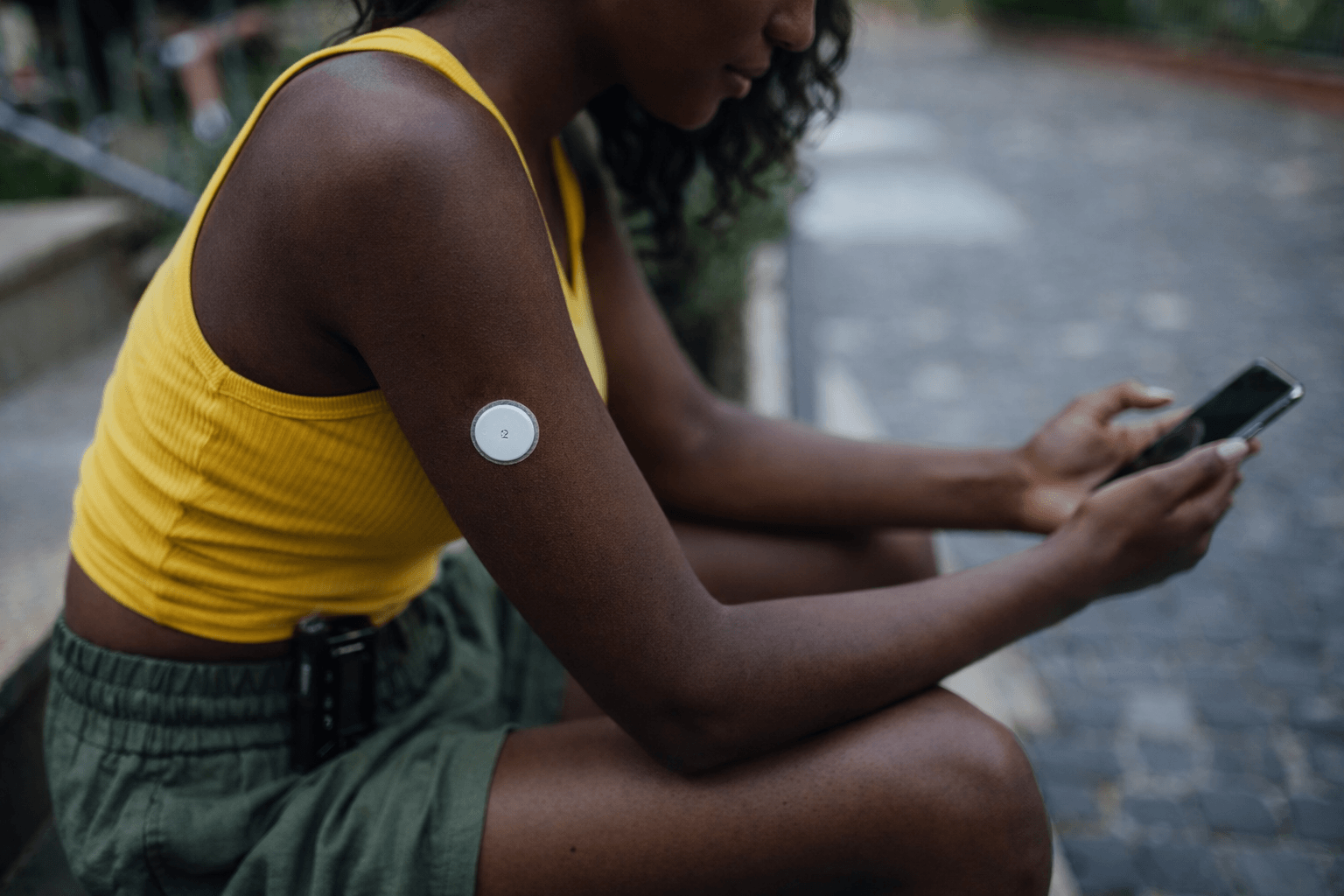
If you would like to better support a friend or family member who is living...
Read more

Topic sensitivity warning: This guide mentions suicide and mental health challenges. Please read it at...
Read more
You might think one of the first steps after a type 2 diabetes (T2D) diagnosis...
Read more