How To Talk To Your New Roommate About Type 1 Diabetes (T1D)
Written by: Beyond Type 1 Editorial Team
5 minute read
September 14, 2026
Medically reviewed by: Melanie Batchelor, MHS, RD, LDN, CDCES
Whether you’re a new college student, about to get a new roommate or even an adult with type 1 diabetes (T1D) who’s living with one or more roommates, it’s worth having the “T1D talk” with anyone you live with.
Not sure what to say? Let’s explore some ground rules to cover in the conversation.
Start by explaining what T1D is and how it impacts you
Not everyone knows what T1D is or how it affects daily life. Your roommate likely doesn’t, unless they’ve had a close family member or friend with it. Still, it’s best not to assume. That’s the first question worth asking before you launch into a full explanation: “Do you know someone with T1D well?”
Knowing someone with T1D doesn’t mean they understand your T1D. You could have a close friend with another condition, such as irritable bowel syndrome (IBS), anxiety, depression, Hashimoto’s, Celiac disease or something else, and still have no idea what their day-to-day is really like. We love and care about our friends and family, but no one knows our experience the way we do, and a T1D journey is deeply personal.
So if you’ve ruled out any real prior knowledge, walk them through your own experience. Even if they already know someone with T1D, let them know you might manage it a bit differently. That’s normal, and it may mean they need to learn some things specific to how you do it.
Here are some helpful things to cover:
- Share what it was like for you to get diagnosed with T1D.
- Give a quick overview of how T1D affects the pancreas and insulin.
- Explain what you have to do differently and why, like taking insulin, checking your blood sugar levels (BGLs), going to medical appointments and counting carbs.
Introduce them to your T1D supplies and technology
Show your roommates your T1D supplies and technology so they understand what managing your diabetes actually looks like day to day.
Here are some helpful ways to make the introduction:
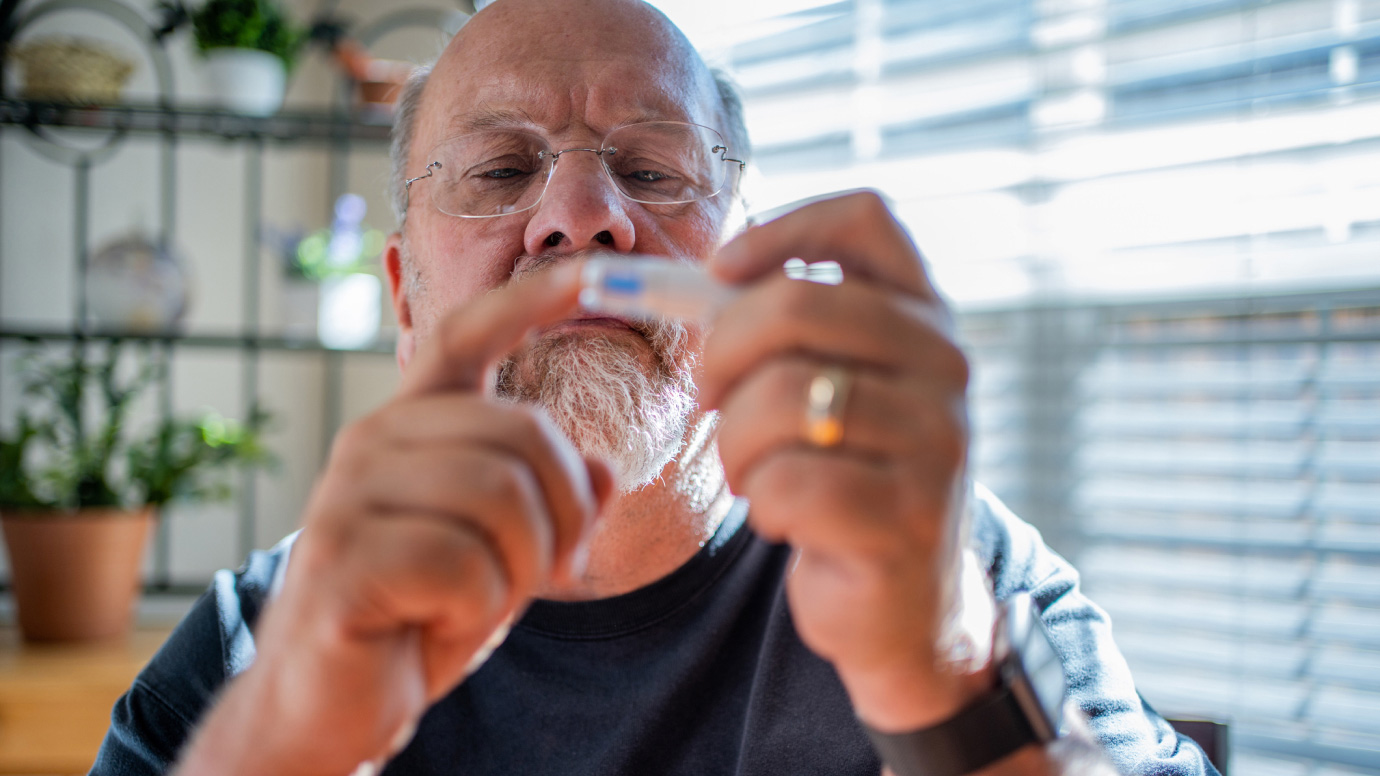
- Show them your pump, pens and syringes. Let them watch you give a bolus or shot and check your blood sugar.
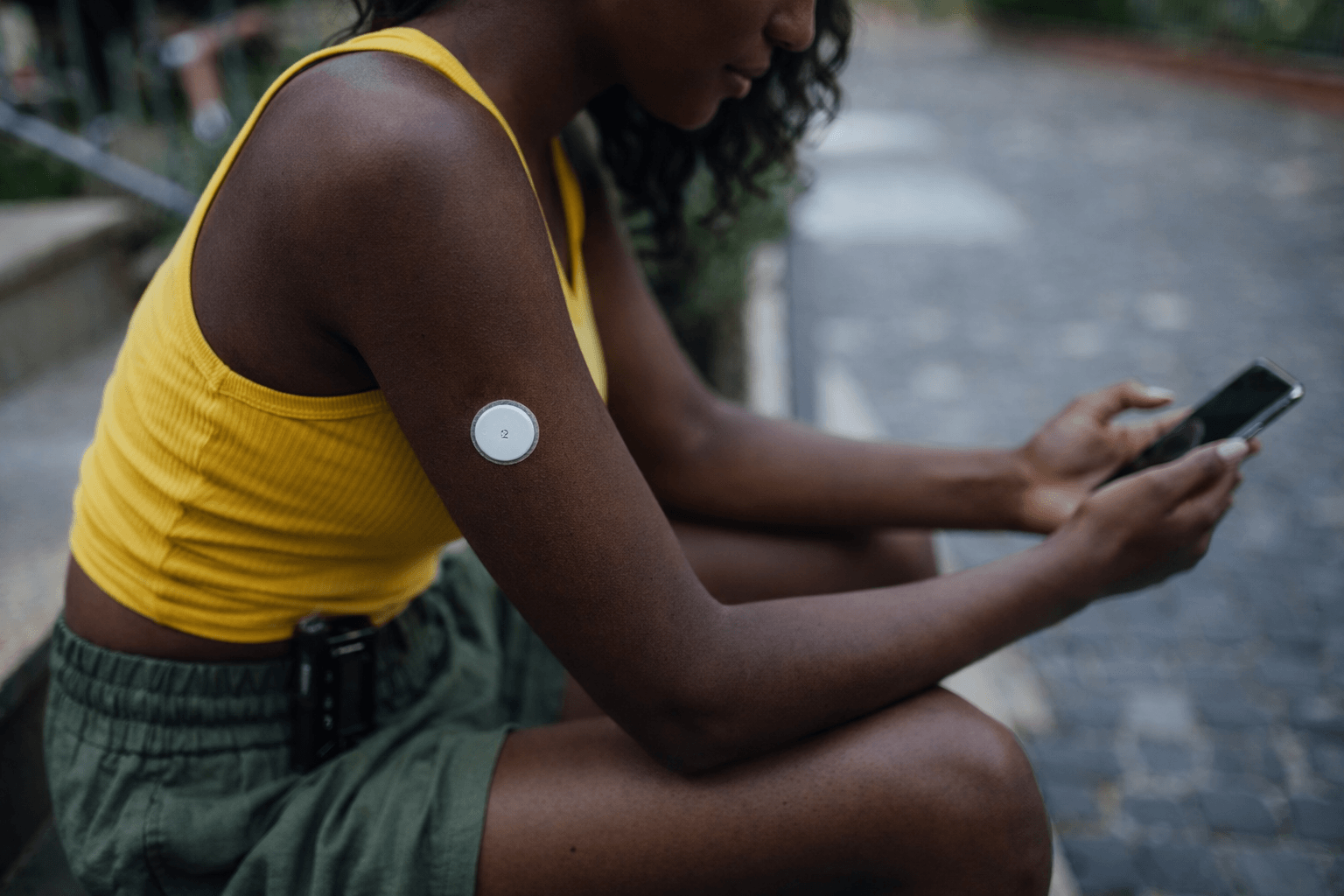
- If you use one, show them your continuous glucose monitor (CGM) and explain how it works. Depending on your comfort level, consider adding them to any apps that allow others to follow your blood sugars, which may come with your CGM or through a third-party app.
- Let them know where you keep your supplies in the dorm, apartment or house.
- Explain what your fast-acting carbs are for so they don’t accidentally clean out your stash. You wouldn’t want them to unknowingly eat all the hard candy you were saving for lows and be out of luck when you need it most.
Explain the ups and downs of T1D
People with diabetes (PWD) tend to show certain symptoms when blood sugar runs too low or high. Walk your roommate through what to expect so they don’t take anything personally that shouldn’t be or so they know how to step in to support you when/if you need it.
- Explain the difference between low blood sugar and high blood sugar, what causes each and what’s happening in your body.
- Let them know how you act differently when you’re low or high.
- Explain that you may need space to address a diabetes-related issue and that it’s nothing personal if this happens. Also explain when to check in if they haven’t heard from you within a certain period of time, especially if you’ve stepped away to treat a low.
Share how they can support you in case of emergency
It’s always best to call 911 and let medical professionals handle an emergency, but there are a few things your roommates can do in the meantime.
- Show them where you keep quick sugar, like juice, glucose tabs or candy, so they can grab it fast if you need it.
- If you’re comfortable, teach them how to use a CGM follow app or third-party app so they can see your blood sugars in real time and support you if you’d like their help that way.
- Give them your emergency contacts, especially a parent, guardian or healthcare provider.
- Walk your roommate through how to use your emergency glucagon kit in case of a worst-case scenario.
What if they don’t react well?
Sometimes a roommate’s first reaction isn’t great. They might go quiet, seem uncomfortable or say they don’t want to be involved at all. Before you assume the worst, remember this could just be anxiety talking. Diabetes, needles and medical emergencies can be a lot to take in, and some people freeze up simply because they’re scared of doing something wrong.
That said, pay attention to what happens next. The older you get, the more you’ll learn that the best thing someone can do is show you who they really are, right away. Believe people when they show you who they are. If they come around and want to learn, great. If they stay closed off, that tells you something too, and it’s better to know now than to find out during an actual emergency.
If they continue to seem closed off, enlist the help of friends and family who already support you remotely by making them aware of your situation so they can check in via your CGM apps or directly through texts or other messaging apps.
Not every roommate will get it, and that’s okay
Telling someone you have T1D can feel vulnerable. Not everyone will respond the way you hope, and some people carry their own misconceptions or discomfort around diabetes. Maybe they’re incredibly supportive. Maybe they’re squeamish about needles and unsure how to help. Either way, that’s their choice to make, and it’s okay.
You’re not a burden because you have T1D, but that doesn’t mean every roommate owes you support. It’s a great thing when they step up, but their reaction might not be what you expect, and you won’t know until you have the conversation.
Worst case, this might be the nudge you need to find a new roommate or lean on a neighbor who gets it. Best case, you just made a lifelong diabestie.
Go beyond your diagnosis! A new chapter of life can be stressful, but it’s also super exciting. Whether you’re newly diagnosed or need a refresher, our Beyond Diagnosis guide is here to help. Download your copy here.


Author
Beyond Type 1 Editorial Team
Beyond Type 1 is the largest diabetes org online, funding advocacy, education and cure research. Find industry news, inspirational stories and practical help. Join the 1M+ strong community and discover what it means to #LiveBeyond a diabetes diagnosis.
Related Resources

This article references in-kind partners supporting the Beyond Type Run team on race day. The...
Read more

Managing stress is an important part of caring for your overall well-being when living with...
Read more
If you would like to better support a friend or family member who is living...
Read more