Abbott’s Dual Glucose-Ketone Sensor Receives CE Mark—And Could Be a Game Changer For DKA Prevention
Written by: Christine Fallabel
4 minute read
June 10, 2026
Abbott Diabetes announced today that it received CE Mark for the Libre Duo system, making it the world’s first continuous glucose monitor (CGM) to track both glucose and ketone levels in a single sensor.
The CE marking (an acronym for the French “Conformité Européenne”) certifies that a product has met all European Union (EU) health, safety and environmental requirements to ensure consumer and patient safety. All manufacturers in the EU and abroad must meet CE marking requirements to market their products in Europe. A CE mark is a sign that a device may soon get approval from the US Food and Drug Administration (FDA) for use in the United States.
Why continuous ketone monitoring matters
A dual glucose-ketone sensor is crucial to the health and well-being of people with diabetes, especially when they’re insulin-dependent. Diabetic ketoacidosis (DKA), which is a serious and potentially fatal complication, is caused by rising ketone levels due to a lack of insulin in people with diabetes. It remains a leading cause of death in type 1 diabetes (T1D), and the signs and symptoms of DKA are often missed.
Until now, ketones as markers of DKA could only be checked in a blood or urine test. That has limitations because it only measures ketones at a single point in time rather than detecting rising levels over a longer period. The new Libre Duo systems’ continuous sensor will be the first device to track ketone levels in real-time.
What this means for people with diabetes
DKA can develop quickly, especially in people on insulin and automated insulin delivery (AID) systems. Despite guidance to detect ketones regularly and early, monitoring for and diagnosing DKA before it becomes dangerous remains challenging for a lot of people living with diabetes.
The Libre Duo systems provide continuous visibility into both glucose and ketones to support day-to-day diabetes management and earlier awareness of DKA risk. This can help prevent DKA emergencies, avoid unnecessary hospital visits and admissions, and improve the lives of people living with diabetes.
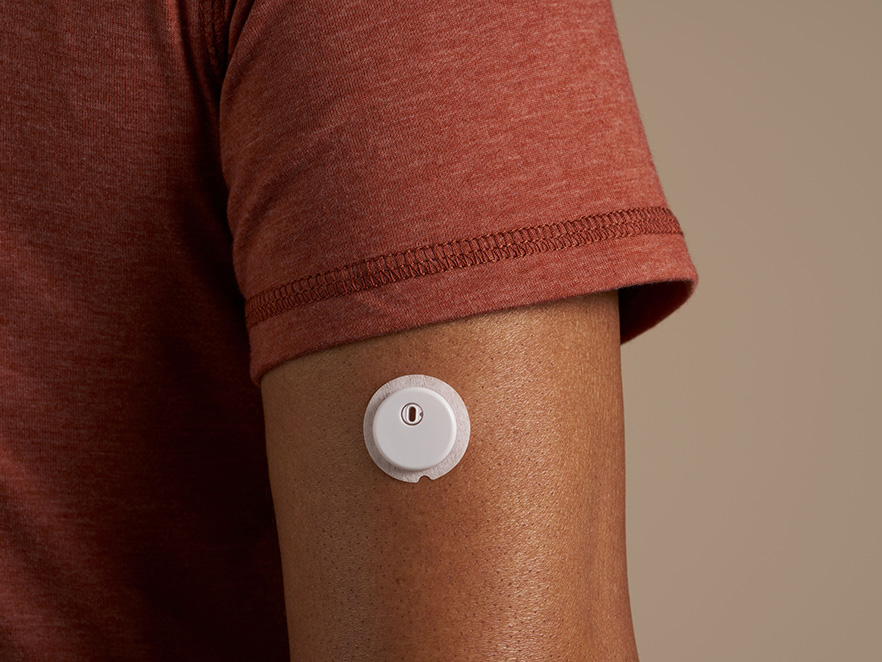
How the Libre Duo systems work
The Libre Duo systems continuously monitor both glucose levels (like a standard CGM) as well as ketone levels, so patients can act sooner to avoid a DKA emergency.
The CE Mark covers two Libre Duo systems: The Libre Duo delivers up to 15 days of wear and will be available for adults ages 18 and older. The Libre Duo 10 Day offers up to 10 days of wear and will be available for people ages 2 and older.
The system will integrate with Abbott’s Libre digital health ecosystem, which will allow you to share their glucose and ketone data with caregivers, family and healthcare providers. Abbott is actively working with insulin pump companies for compatibility with AID systems.
“Abbott has a long-established pattern of setting the pace in health tech innovation,” said Chris Scoggins, executive vice president of Abbott’s diabetes care business. “People living with diabetes routinely tell us that the risk of serious complications is a constant part of everyday life. Our Libre Duo systems offer people with diabetes, families and healthcare providers clearer, earlier information about what’s happening inside their body, allowing them to act sooner when safety matters most.”
The growing burden of DKA
Glucose and ketone levels don’t always rise in tandem, which makes detection unreliable. A recent analysis of nearly 660,000 people in the United Kingdom, conducted by leading diabetes researchers and presented at the 2026 Conference for Advanced Technology & Treatments for Diabetes (ATTD), found that DKA rates are increasing among people with both type 1 and type 2 diabetes.
Additionally, DKA leads to four times as many hospitalizations as low blood sugar, making it a dangerous and expensive complication. While monitoring ketone levels is a big part of preventing DKA,,only 18 percent of people report having a blood ketone meter at home, and nearly one-third report having no ketone testing supplies at all.
Looking ahead
Having this technology in the hands and homes of people living with diabetes will help prevent occurrences of DKA and can even save lives.
Abbott plans to begin launching the Libre Duo systems in select European countries later this year and will be seeking FDA approval for use in the United States.



Author
Christine Fallabel
Related Resources

Almost every college student catches a cold, the flu or a stomach bug at some...
Read more

When we think of a medical emergency, Hollywood paints a picture of someone calling 911,...
Read more

Let’s be honest—living with type 2 diabetes (T2D) means dealing with some unfair misconceptions and...
Read more