Community Spotlight: She Turned a Scary Dorm-Room Low Into a Life-Saving App
Written by: Dalila Brent
5 minute read
July 27, 2026
A type 1 diabetes diagnosis is life-changing. So when managing it becomes part of your routine 24/7, it’s only natural to want a break from thinking about it—especially in your career. But for many in the diabetes community, lived experience becomes a source of purpose. We’ve seen many people turn their diagnosis into meaningful work and resources that not only shape their own lives but help countless others along the way. Arianna Gehan is one of those people.
Not long after her diagnosis at age 11 in 2013, Gehan became absorbed with how technology made living with diabetes a little less cumbersome. That curiosity led to her earning a Master of Science in biomedical engineering from Columbia University and later creating the Lowcate app, which helps users share blood sugar data with loved ones and access helpful resources. With the app’s recent launch at Friends for Life and her recognition as a 2026 Beyond Barriers Innovation Accelerator grant recipient, Gehan is on a mission to make life with diabetes safer and more connected—while the search for a cure continues.
*Responses have been edited for brevity and clarity
A new normal
I was in fifth grade, and summer was coming up. I was a pretty normal, active kid, but I started drinking a lot more, which meant I was going to the bathroom a lot more. My parents figured it was because I was active and the weather was getting warmer. I also became moodier, especially in public, and they thought maybe it was because I was becoming a teenager. But then I started losing weight, so we went to the doctor. Even though I had all the symptoms, no one else in my family has type 1 diabetes, so the diagnosis was still a surprise. When I got to the hospital, a lot of my family and friends brought me ‘get well soon’ balloons, and I remember thinking, ‘I’m not sick. I’m not going to get better—I just have to get used to this.’ That became my mindset early on: this was something I was going to have to learn to live with.
Change of heart
For a long time, I said, ‘I don’t want a career in diabetes because I don’t want to get burned out and have my personal life bleed into my professional life.’ I knew I was passionate about engineering—my dad was an engineer and I loved math and science—but I also became fascinated by healthcare technology. I thought it was so cool to have more control over my health through pumps, CGMs and meters. I studied biomedical engineering at Stevens Institute of Technology, and any project I could make about diabetes, I did. That’s when I realized how passionate I was about this community and this disease, and everything really took off from there. It was a journey from wanting to completely ignore diabetes to embracing it, finding community and becoming much more comfortable with it.
Inspired to innovate
The first 10 years of living with type 1 brought some incredible changes. I went from pricking my fingers 10 times a day and taking injections to using a continuous glucose monitor that communicated with my pump and automatically delivered insulin. Seeing that progress in just 10 years was exciting and made me want to learn more. As I researched, it was inspiring to see so many people with type 1 and many parents of people with type 1 take the disease into their own hands. The community showed me how much innovation was possible, but there are still major gaps, especially around access and affordability.
Low-key brilliant
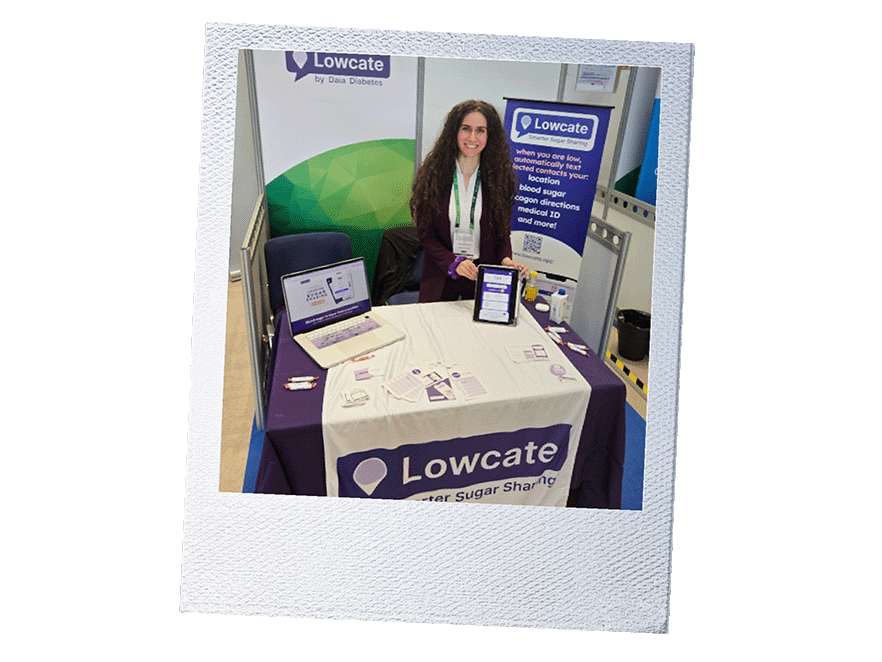
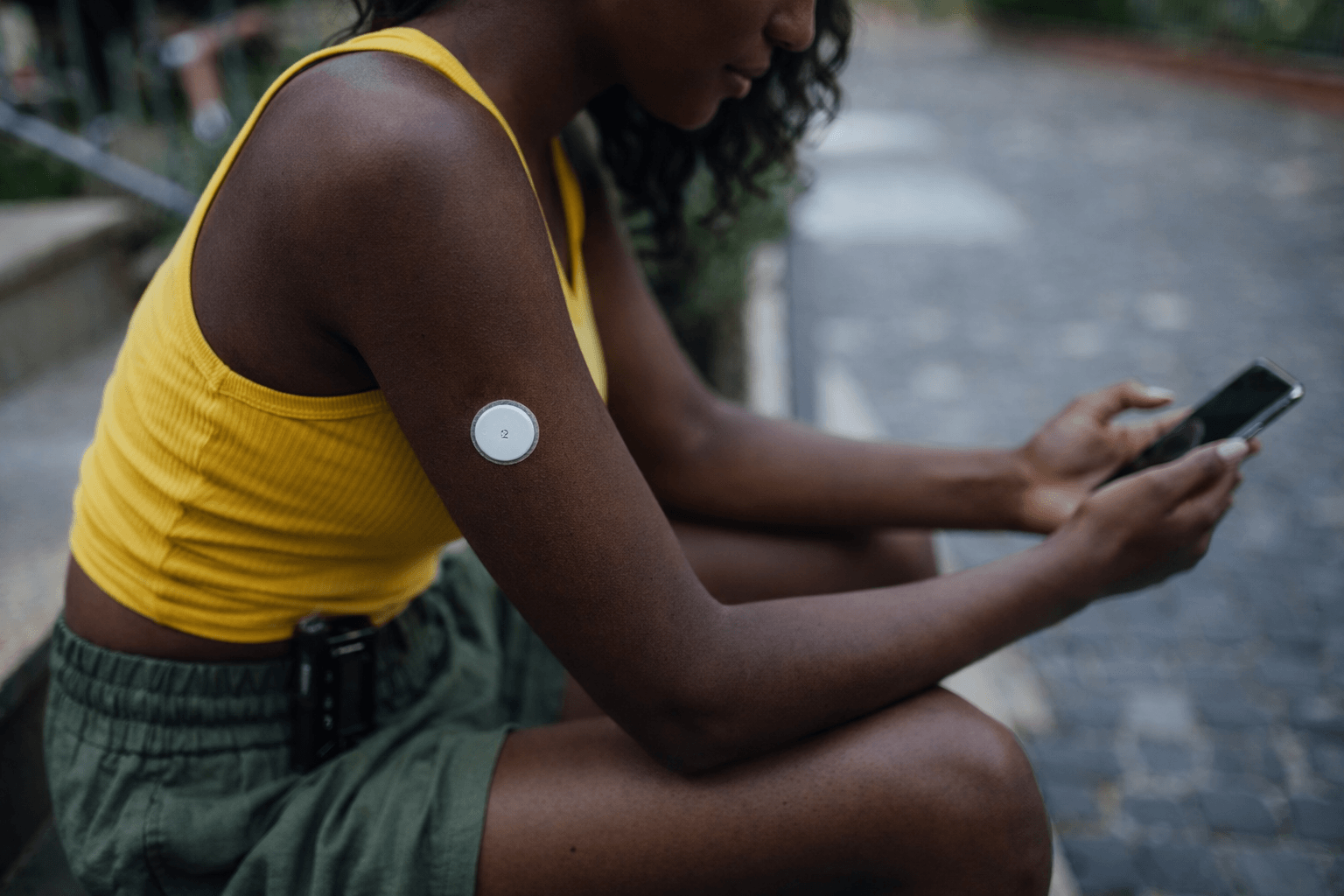
The first day I moved to college, I stopped sharing my blood sugar with my parents for two reasons: I wanted more independence and they lived an hour away. The best they could do was call me to say I was low when my phone and pump were already alerting me. I also didn’t want to ask my roommate to download an app and watch my blood sugar all the time. And even if she saw I was dropping to 50, she wouldn’t know what that meant or how to help, so I decided not to share with anyone. The first time I had a low while I was alone in my dorm, I was scared. I remember thinking, ‘there has to be a better way.’ That’s how Lowcate was born. It connects to your continuous glucose monitor so trusted contacts can see your blood sugar in real time, without downloading an app. If your blood sugar drops below a level you set, they’ll receive a text with your glucose data, emergency instructions, your low blood sugar treatment plan, medical ID and—if you choose—your location. The goal is to give people with diabetes more privacy and control while giving their support system the information they need to help in an emergency.
Better by design
Working with my co-founder, who doesn’t have type 1 diabetes, has been incredibly valuable. It’s important to me that the technology feels like it’s designed by the people who use it, so I’ve worked closely with others in the type 1 community throughout the process. At the same time, my co-founder has helped by asking questions I wouldn’t think to ask because I sometimes forget what people outside the diabetes community don’t know. We initially focused on nighttime blood sugar notifications, but we shifted toward providing support in the moment—kind of like an AED, where you’re guided through what to do during an emergency. A lot of that thinking came from my parents and what would have helped them feel more confident about my safety. We include manufacturer videos and instructions for glucagon by default, but everything is customizable. If someone wants to upload their own instructional video or adjust the directions based on their needs, they can. We wanted to give people the flexibility to make the app work for them.
Access for all
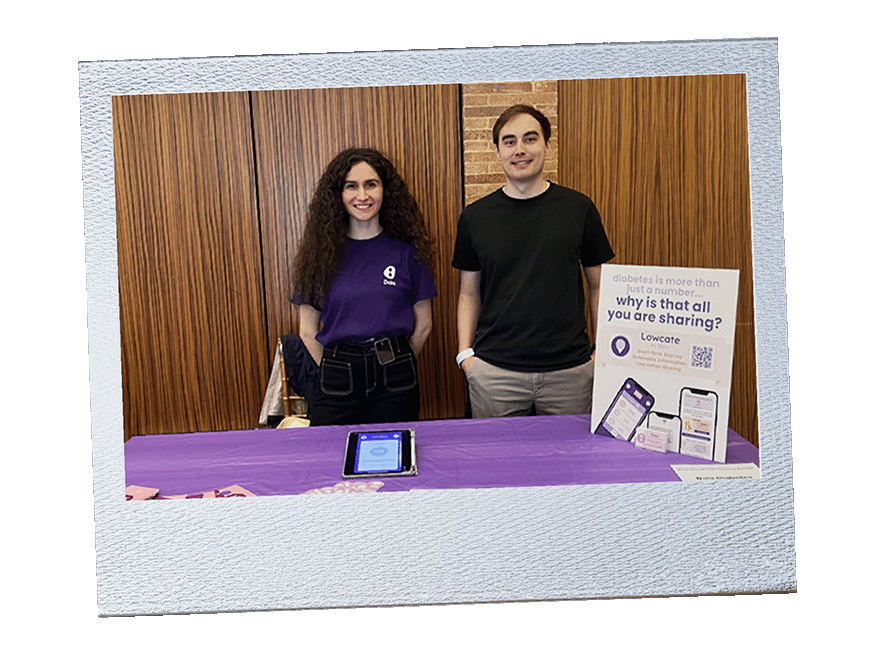
I’m excited to get more feedback from parents and young children living with type 1 diabetes so we can keep improving the app. From there, we’ll continue expanding support for more CGMs, launch on Android, and keep refining the experience. We started with iOS to get the app off the ground, but Android is definitely a priority. Another big goal is keeping Lowcate as affordable as possible. Right now, we don’t plan to charge for it, though we’re being transparent that we may need a small subscription in the future. If that happens, we want to make sure it’s reasonable and that people who can’t afford it still have access.
Beyond Barriers
I first connected with Beyond Type 1 when I was applying to college and was fortunate enough to receive a Beyond Scholars scholarship. I had also attended one of their events in New York, so I was already familiar with the incredible work they were doing. When I saw the Beyond Barriers Innovation Accelerator on LinkedIn, I immediately emailed my mom and messaged my co-founder asking, ‘Do you think we have a shot?’ I poured everything into the application, but with so much incredible innovation happening in the diabetes space, I had no idea what to expect. When I got the acceptance email, it was the first thing I saw that morning, and I was completely shocked. More than anything, it was validating. As a founder, you have moments where you wonder, ‘Is this actually going to help anyone? Would anyone besides me use this?’ Being selected was reassuring, and now that I’m part of the cohort, it’s an honor to learn alongside so many inspiring people who are working to improve life with diabetes.
Arianna’s story shows how lived experience can spark innovation and create change. Whether you’re living with type 1 diabetes or searching for representation and support, you don’t have to do it alone. Join our online community for resources and to connect with others living with diabetes.

Author
Dalila Brent
Related Resources
If you would like to better support a friend or family member who is living...
Read more
Topic sensitivity warning: This guide mentions suicide and mental health challenges. Please read it at...
Read more

If you are the parent of a young child with type 1 diabetes (T1D), you...
Read more