Community Spotlight: Inside Rachael Stickles’ Queer T1D Community
Written by: Dalila Brent
6 minute read
June 18, 2026
A type 1 diabetes journey looks different for everyone, no matter what age diagnosis begins. Like so many other things, seeing someone who looks like you going through the same thing doesn’t make it easier, but it does bring a sense of relatability. For Rachael Stickles, who’s half Asian and half white, this is something she’s struggled with since her diagnosis at 12—and it’s become even more nuanced since she came out as gay a few years ago. To combat the struggle of finding community, she ended up creating one herself.
Turning her habit of being chronically online into The Chronically Illest was more than an Instagram handle—it’s a safe space for people who identify similarly, which has since grown into a business spanning merchandise, in-person events, an insulin fund for those in need and more. Now, with the help of her partner (who provides sweat equity and health insurance for the couple), Stickles is able to dedicate herself full-time to reaching people looking for connection. And while she’s made significant progress in recent years, it’s clear there’s still more work to be done when it comes to recognition and awareness for folks who are gay and living with chronic illness—T1D and beyond.
*Responses have been edited for brevity and clarity
More than one identity
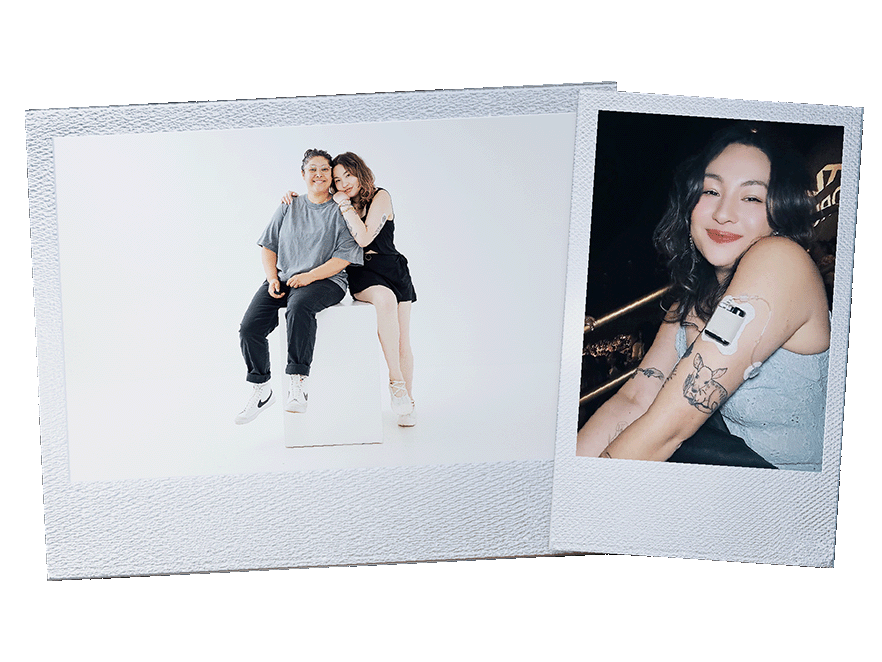
When I was diagnosed, I didn’t know anyone with diabetes. I’d heard the word before because my dad was prediabetic and had been on a diet, so I remember thinking, “Do I need to go on a diet?” I had no idea what diabetes actually was. I grew up pretty sheltered and I was very much a millennial internet kid. I spent time on chat boards and online forums, looking for anything I could find. When Instagram launched, I made an account and started posting a little bit about diabetes. I didn’t really want to talk about it at school, but online I felt much more comfortable sharing who I was. I also grew up in a very white area. I’m half white, but when you’re half Asian in a really white space, you stand out. I already felt different, so when I got diabetes, I didn’t want another thing setting me apart. People knew because they saw me taking insulin, but I was very private about it. I wanted to take my shots in the bathroom and make it seem like it wasn’t a big deal. Eventually, people found out, and I think, just like with being mixed race, I was so scared of being othered that I turned to humor. I thought, “If people know, I’m going to make jokes about it. I’m going to be funny.” That’s how I dealt with being different.
Finding my type
College was a hard time for me. I went through a lot of DKA episodes and hospitalizations, and in a desperate moment, I ended up turning to church. Honestly, a random Uber driver invited me, and I was so depressed that I said yes. It was one of those modern churches where all the pastors had tattoos and they were playing contemporary worship music. I grew up Catholic, so it felt completely different. There was a girl there who looked gay, and my little sister was gay at the time, so I remember thinking, “Okay, this seems like a cool church.” I was there for a couple of years while dealing with my health, and I found myself constantly praying, “God, if there’s someone who’s supposed to help me, can you send them right now? Because I really need help.” Long story short, I developed feelings for a friend at church. She started taking me to doctor’s appointments, asking about my diabetes, and encouraging me when I shared an idea I had for a business that would make diabetes feel more fun through accessories and humor. Every Sunday she’d ask, “Did you start it? What did you do this week?” and I’d think, “Oh my God, I shouldn’t have told you about this—it was just an idea.” We eventually got together. The church didn’t like that, and we got kicked out. That was seven years ago. Suddenly, I had this new identity. I was half Asian, diabetic and now gay. I remember thinking, “I cannot pick a struggle.” At the same time, those things make my life beautiful, and I love them about myself now. But back then, I was the happiest I’d ever been. My diabetes was under control, I was healthy, I was in love—and nobody was happy for me. That was the first time I really thought, “You know what? If this community doesn’t want me, I’m going to build my own.”
Community, customized
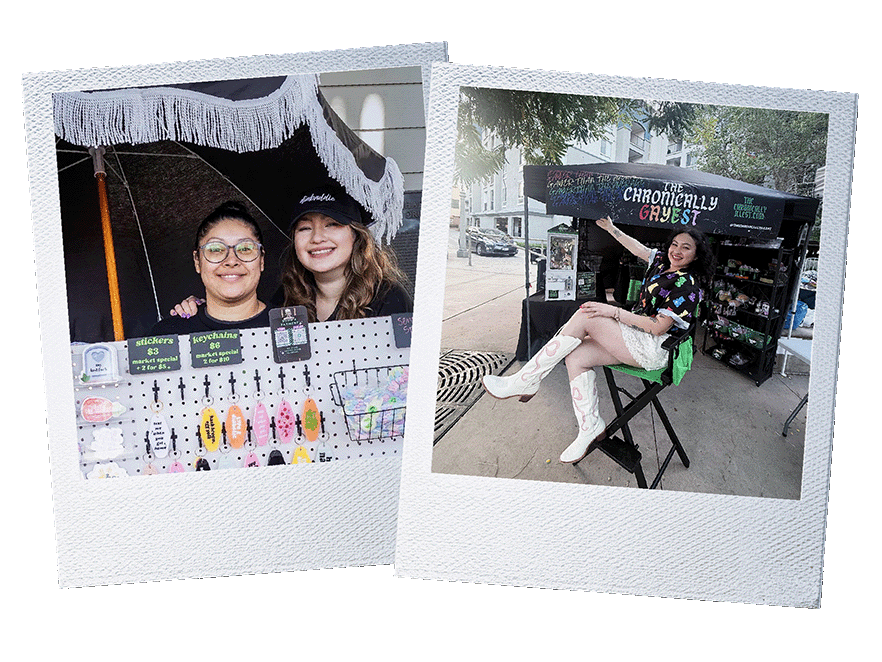
I’d always been part of the diabetes community, but I didn’t always feel represented in it. I didn’t see anyone talking openly about being both gay and diabetic. The influencers, the ads—everyone seemed to fit the same mold.I was going to meetups, posting online and starting to build a small following, but I still felt like what I was looking for wasn’t really there. One night, I came up with the term “Gayabetic.” I was making stickers with my partner and thought, “This is funny—I’m gay and diabetic. I’m Gayabetic.” I made a post about it, and it went viral. There were hundreds of comments from people saying, “I didn’t know another gay diabetic person existed.” Obviously we existed. We just weren’t finding each other because so many of us had felt othered. So I started adding people to an Instagram group chat. I had no idea what I was doing. Eventually it hit the 200-person limit, and someone suggested starting a Discord. Now there are more than 300 people in the community, and it keeps growing. I’ve done a lot of things through my business, but that’s probably what I’m most proud of. Watching people connect with each other has been incredible. We’re all gay and diabetic, but there are so many other identities within that community too. There are trans people talking about healthcare, hormones, insulin and questions that the broader diabetes community often isn’t discussing.
For the kid I was
This whole business feels like my purpose right now, but it’s also kind of a gift to my childhood self. There have been a few moments that really stuck with me. I remember one girl who came to my booth with her family. They had traveled specifically to see us. I asked her how old she was, and she said 12—the same age I was when I was diagnosed. I just had this moment of, “That’s little me.”When I was diagnosed, I didn’t have anything like this. I didn’t have a cool person handing me a sticker and telling me diabetes could be cool. I think it’s so important in those younger years not to feel ashamed or embarrassed about your diabetes, and to feel accepted and represented as you are. That stuff sticks with you into adulthood, and it can take a long time to unlearn.If I can give kids the chance not to have to unlearn those things, that’s really special. I’d love to play even a small part in that. And especially for gay kids—I meet gay kids at my booth all the time, and I love them so much. I don’t want them growing up feeling unaccepted, especially within the diabetes community. We should understand better than anyone what it’s like to be stigmatized.
The harder battle
I feel like, in this current climate, being gay is a harder battle than being diabetic. Thanks to a lot of amazing people, there’s been so much advocacy work in diabetes to make it less taboo and stigmatized than it used to be. I feel much more confident and unashamed of my identity, and when I tell someone I’m diabetic, fewer people are judging me and more people are understanding me. I still feel scared in the diabetes community that when people find out I’m gay, I’m going to have to put on my advocacy hat and really fight for people to understand me and have compassion. I don’t feel as accepted in the diabetes community as a gay person as I did when I was a straight person—I was a straight person in the diabetes space seven years ago. Then I became a gay person, so I definitely see a difference. I can tell when spaces feel uncomfortable, or when brands or people don’t want to work with me because they don’t agree with my lifestyle. And I’m just like, you know what, that’s okay. If somebody doesn’t want to work with me because I’m diabetic or because of who I am, then this wasn’t meant for me, and I’m just going to keep going. That’s what I’ve done, and I feel proud of that.
Pride and persistence
I think in the past people criticized Pride for being too capitalistic or for companies taking advantage of the moment. Honestly, I don’t think that’s the concern anymore. People celebrating Pride just want to be acknowledged as deserving of happy, healthy lives year-round. It’s become increasingly important for people who don’t normally talk about it to acknowledge it, bring attention to it, and celebrate with us. I’ve had to tell people, “I didn’t do this to myself. I didn’t choose to be gay. This is part of who I am”—and in a lot of ways, that’s been similar to diabetes. I’ve had to explain, “That’s not how diabetes works. That’s not what my life is like. This is what my life actually looks like.” I’ve had to do the same thing with being gay. It’s funny because I realized I was gay later in life. When I think about coming out, I also think about being diagnosed with diabetes. At 12 years old, I had to go to school and tell my friends, “Something happened. I’m diabetic now.” Then at 25, I had this strange sense of déjà vu telling people, “Something happened. I met a girl. I fell in love. I’m gay.” Both times, I wondered how people would react. Would it be judgment? Stigma? Would I have to explain myself? Would I have to advocate for myself? The answer was yes—both times. And I’m still doing that today for both of those identities.
Rachael’s story shows how creating the community you can’t find can transform isolation into connection. Whether you’re living with type 1 diabetes or searching for representation and support, you don’t have to do it alone. Join our online community for resources and to connect with others living with diabetes.
Author
Dalila Brent
Related Resources
Sex is a unique form of physical exercise that most of us look forward to....
Read more
If you've lived with type 1 diabetes (T1D) for any amount of time, you've probably...
Read more
What comes to mind when you hear the word “diabetes?” Whether you live with a...
Read more