Jackie Hill Perry Thought It Was Jet Lag—It Was Type 1 Diabetes
Written by: Dalila Brent
5 minute read
July 30, 2026
For many, a diabetes diagnosis can come as a life-changing surprise, but the journey leading up to that moment can be just as overwhelming—especially when it takes months to get answers. That’s the reality for many people who don’t recognize the warning signs or are misdiagnosed by healthcare professionals along the way. It’s an experience that can happen to anyone. It happened to Jackie Hill Perry.
When Perry—an author, artist and speaker known by millions for her Bible teaching—began experiencing blurry vision and extreme fatigue during a trip to Australia last August, she chalked it up to jet lag and lingering effects from LASIK surgery. But what seemed like a routine health hiccup was actually the first sign of type 1 diabetes. Now, she’s using her platform to share what she wishes she’d known from the beginning while balancing her new normal with everyday life, motherhood and faith.
*Responses have been edited for brevity and clarity
The wrong diagnosis
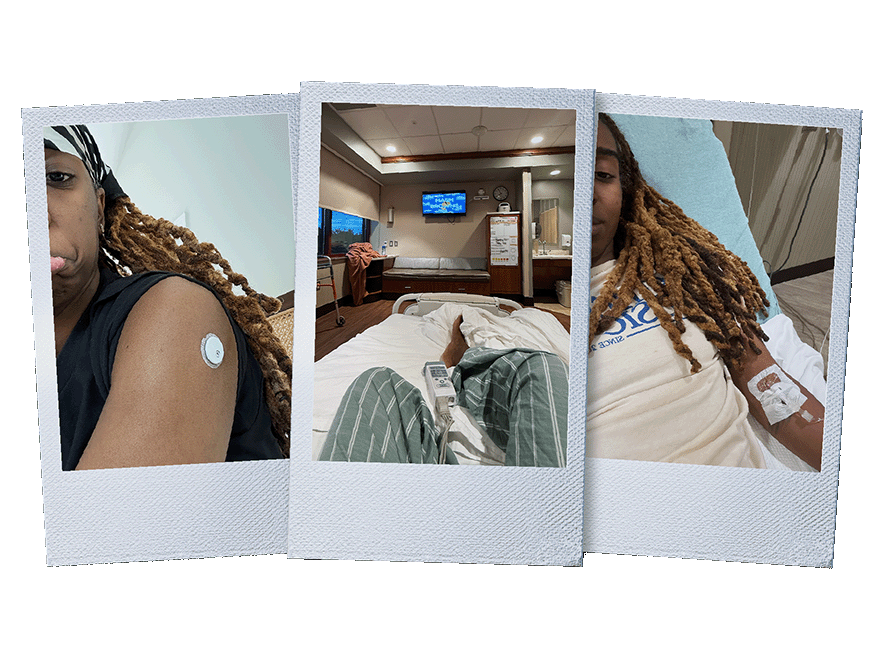
We were in Australia for a conference that I had to do, and even on the way there I just felt really bad. I thought maybe it was jet lag because it was a 17-hour flight. I was really thirsty and I drink a lot of water generally, but nothing could quench my thirst. I started drinking orange juice, and I don’t even like orange juice, but I needed something to make it feel better. Around day four of the conference, we went out to eat with the hosts. Looking back, I was smashing carbs—I had noodles, potatoes, ginger ale, all of it. I went back to take a nap, and when I woke up, my vision was blurry and I couldn’t see. I thought maybe it was spiritual warfare, or maybe my LASIK had regressed. I had to navigate and teach and do everything while I couldn’t see. When I came home, I went to my eye doctor, and he told me, ‘The only thing I can say is you need to go get your sugar checked.’ So I did, and my blood sugar was 425. I was like, ‘What does that mean?’ And my mom said, ‘Girl, that means you need to go to the doctor.’ We went to the ER, and the doctor in triage told me I had diabetes. I was shocked because all I really knew about was type 2. I was thinking, ‘I don’t eat a certain way. I’m pretty active.’ They told me I had DKA, but I didn’t even know what that meant. They released me two days later, but they diagnosed me with type 2, sent me home without insulin and didn’t really give me instructions. I remember asking, ‘What am I supposed to do?’ And they said, ‘Just manage it.’ But my blood sugars kept going up. I ended up back in the ICU, and I was pretty adamant: ‘Y’all need to release me with insulin. I think that’s a problem.’ It took until November, after finding the right endocrinologist, for me to finally be confirmed as type 1.
Finding her rhythm
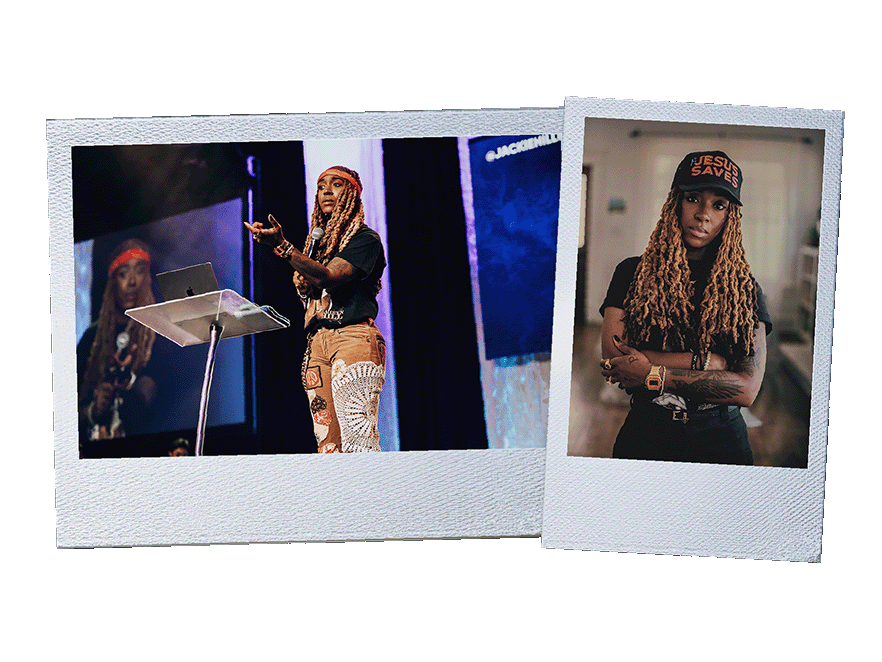
My routine isn’t that much different. I think it’s just hyper-mindfulness all the time. If I have a cold brew, how many carbs are in it? If I eat a banana or go somewhere with my family, I have to make sure I have a snack with me. When I had a concert, I had my friend hold my phone so she could monitor my blood sugar while I was on stage. I had to set my Omnipod to activity mode so I wouldn’t go too low and keep Gatorade off to the side. I feel like I have to constantly be really strategic about everything so I don’t pass out. I want my kids to see the routine. When I change my pump or fill my insulin, they see it. They’re like, ‘Mommy, you gotta take your shot.’ I want them to be aware because one day I’m going to need their help. I don’t want it to be a secret that Mommy has a condition. My kids are 11, 8, 5 and 4, so it hasn’t been a huge adjustment for them. My oldest is curious, though. She texted me from my mom’s phone the other day and asked, ‘Mom, do you have type 2 or type 1?’ I said, ‘Type 1.’
Secret superheroes
What surprised me most about the type 1 diabetes community is how common it is, and how many people are living with it that you just wouldn’t know. When I posted about my diagnosis on IG, people I know reached out saying, ‘Yeah, I have type 1.’ Then there were so many DMs from people who either have it or have children with it. It was good to realize how common this is and how people are just living like Batman, low-key. They’re walking this journey, but not in a way that’s obvious. But that also came with a lot of people saying, ‘You just need to eat cinnamon,’ or ‘work out,’ or ‘go to the altar.’ And it’s just like, y’all…my pancreas doesn’t work. Cinnamon isn’t going to bring it back. I understand people are trying to be helpful, but it’s an autoimmune disease, and sometimes our bodies just don’t function the way they’re supposed to. That’s part of life. I’m strong enough to hear those comments and be okay, but I don’t want people saying those things to someone who might actually be discouraged by them. And they do it with everything—with autism, depression, anxiety. It all becomes this thing that’s just unnecessary.
A different perspective
I think there are two ways somebody could see a type 1 diabetes diagnosis: ‘God, why would you do that?’ or, ‘God, I wonder why you did that?’ One is cynical; the other is hopeful. For me, I see it as another avenue of good weakness. I think we all need a limp. We all need a thorn so we don’t think too highly of ourselves. It puts me in a position to depend on Him in all things. But it’s also given me incredible empathy. That’s what sickness and suffering does, it opens your eyes to people you might not have noticed before. Now my TikTok is full of babies with type 1 diabetes, and I’m like, I would’ve scrolled right past that before. Now I stop and think, ‘Man, I can’t imagine being a child living with this, or being a parent constantly making sure your baby is okay.’ I think it’s developed a deeper dependence in me and a new compassion for other people. And now I’m always telling people to get their A1C checked because, especially if you’re under 40, it’s just not something most people think about.
To the newly diagnosed…
I don’t want to say, ‘don’t be discouraged.’ That’s like telling somebody who’s crying, ‘don’t be sad.’ Practically, I’d say get a really good, thoughtful endocrinologist who can walk with you through the process. And lean into your friendships. My friends are kind. If I’m doing too much, they’ll ask, ‘what’s your sugar?’ They’re mindful of me. My family is too—not in an infantilizing way, but just in a, ‘we want to make sure you’re good’ way. Be transparent with the people around you about what you need, what you’re living with and even the signs and symptoms they should look out for so they can care for you. It’s okay to be cared for.
Challenge accepted
I do feel like I have a resilient temperament. Even when I was diagnosed, I didn’t cry. I wasn’t sad. It was just kind of like, ‘well, this is another thing.’ I’ve been through so much that I’ve become used to doing hard things. So for me, this was just another hard thing to do. But I also feel like a big part of my calling is to go through hard things, gather tools and resources and then leverage those seasons, those sicknesses and those difficulties to help other people. So I immediately saw this as another category in which I could help people.
Jackie’s story shows how powerful awareness and community can be in the face of a life-changing diagnosis. Whether you’re living with type 1 diabetes or searching for representation and support, you don’t have to do it alone. Join our online community for resources and to connect with others living with diabetes.

Author
Dalila Brent
Related Resources

Getting sick can be scary, especially when you or a loved one has type 1...
Read more

When you think about Halloween and live with type 1 diabetes (T1D), the first thoughts...
Read more
Running a marathon with type 1 diabetes (T1D) is more than just tracking miles. You’ll...
Read more