Are Cosmetic Treatments + Procedures Safe for People with Type 1 Diabetes?
Written by: Julia Flaherty
6 minute read
June 23, 2026
Cosmetic treatments and procedures are becoming more popular and mainstream, thanks to medspas and celebrity “natural” makeovers that look a little too good to be natural. Only they (and their doctors) know the truth, although TikTok sleuths may disagree.
Whether it’s Botox, lip filler, LASIK eye surgery, plastic surgery or laser hair removal that you’re interested in, you should do what makes you happy and feel confident—safely.
If you live with type 1 diabetes (T1D) and are curious about trying an aesthetic procedure, this guide explains additional safety precautions you should consider because of T1D before you go through with it.
Plastic surgery
Some surgeries are minimally invasive, while others are more intense.
Some of the most popular plastic surgery procedures performed in 2024 were:
- Eyelid surgery
- Liposuction
- Breast augmentation
- Scar revision
- Rhinoplasty
If you are pursuing an elective plastic surgery procedure, you should be aware of the risks of going under the knife with T1D. Before any type of surgery, you must have stable blood sugar levels and be in good health. According to the 2026 ADA Standards of Care, an A1C of <8% (<64 mmol/mol) and/or time in range >50% is recommended.
They also recommend that blood glucose before, during, and after surgery should be monitored and stay between 100 and 180 mg/dL (5.6 and 10.0 mmol/L). Goals should be individualized, however, and take into account the type of surgery, your risk of hypoglycemia, and use of medications.
In general, people with any type of diabetes who undergo surgery may be at a higher risk of:
- Infection
- Slow wound-healing
- Kidney issues
- Cardiovascular complications
Talk with your surgeon before you sign on the dotted line for any procedure to ensure the benefits outweigh the risks and that you are set up for safety.
Botox
Botox is a brand name for botulinum toxin injections, much like Kleenex is a brand name for facial tissues. Most people refer to them by their brand names while intending to refer to the generic form.
Botox is usually safe for people with all types of diabetes, but you may experience side effects more intensely.
- A survey of over 900,000 United Kingdom (U.K.) adults who received Botox injections found that people with T1D are 92x more likely to become nauseated after treatment.
Weirdly, botulinum toxin injections were found to be safe and effective for treating diabetic gastroparesis in another study. It’s best to work with an expert who can help you make a judgment about perceived side effects and risks associated with Botox injections and T1D.
Lip filler
Lip filler treatments are generally safe for people with T1D too, but healing might take a little longer. If your blood sugar stays within your target range, it can help lower the risks. Do your homework and choose a top-rated, highly-trained expert in your area to give you lip fillers or Botox. Be cautious, as medspas vary greatly from one to the next.
A medical doctor or nurse is usually the safest choice. Check reviews before booking. It’s common to pay a non-refundable deposit, so you want to be sure before you commit. Make sure your medspa follows strict hygiene standards before getting lip fillers or injections. This step is crucial to keep you safe, especially with T1D.
LASIK eye surgery
People with diabetes (PWD) are potential candidates for Laser-Assisted In Situ Keratomileusis (LASIK). While certain aspects of your diabetes health could mean LASIK surgery isn’t safe or appropriate for you, your diabetes diagnosis alone does not exclude you from getting this surgery.
Some PWD might need to raise their insulin doses in the weeks following surgery. Monitor your blood sugar levels closely and stay in regular contact with your healthcare team if your levels trend higher for days or weeks post-surgery.
Surgery-related inflammation and the healing process can also require a slight boost in insulin. Be sure to consult your healthcare team to make any needed adjustments with their guidance.
Maintaining healthy blood sugar levels before, during and after surgery increases the likelihood of a successful outcome.
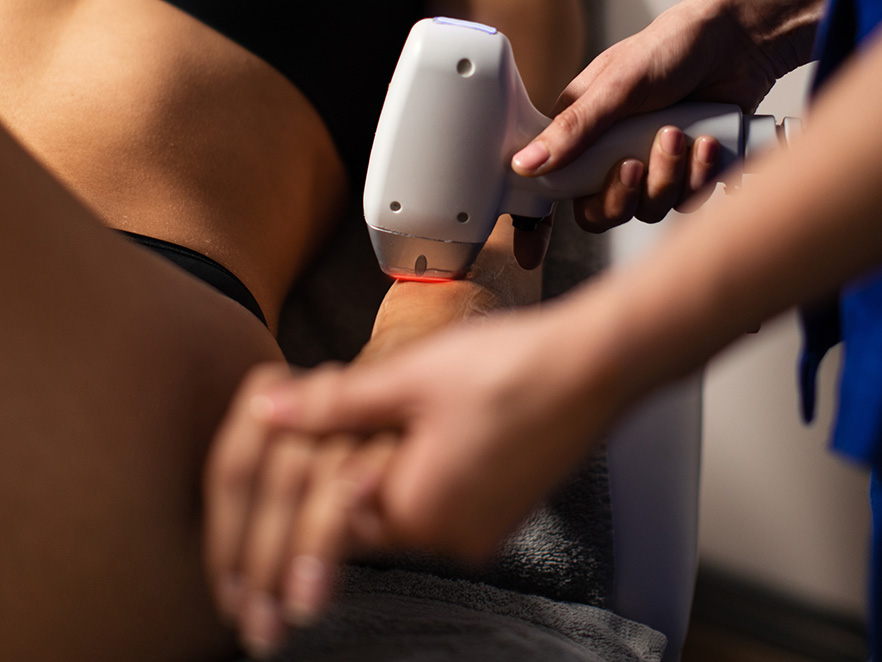
Laser hair removal
As with the other procedures mentioned throughout this guide, laser hair removal is generally safe for PWD, but it’s recommended that blood sugar levels be in a healthy target range to prevent slow healing and reduce the risk of infection.
If you have any skin issues while living with T1D, always address them with your primary care provider (PCP), endocrinologist and/or dermatologist before pursuing laser hair removal treatment. This will help you avoid some of those side effects, too.
During treatment, you may experience increased sensitivity because of circulation issues that are sometimes associated with diabetes. If you have nerve damage, talk to your healthcare provider about laser hair removal before pursuing it to make sure it’s still right for you and to address ways you can minimize any potential discomfort.
Do what makes you feel confident + true to yourself
At the end of the day, it’s always important to be aware of the potential safety risks of any treatment or procedure when living with T1D. But T1D is not a reason to stop or delay treatment for something you want or need. If a cosmetic procedure will help you lean into your favorite self and boost your confidence, then you deserve to dive into it—and feel excited and at ease as you do.
If you’re on the fence, talk to your healthcare provider, friends and family before signing on the dotted line. It never hurts to get an extra opinion from someone you trust!
If you decide to pursue a cosmetic procedure or treatment, be sure to carefully follow the aftercare instructions and follow up to get the most out of your investment and protect your diabetes health.
Connect with a community that understands what it’s like to navigate the complexities of life with type 1 diabetes. Join our Community Apps!


Author
Julia Flaherty
Julia Flaherty has lived with type 1 diabetes since 2004. She is passionate about empowering others navigating chronic illness and promoting healing through creativity. Julia is a content marketing specialist, writer, and editor with health and wellness coaching certification. She is also the founder of Chronically You, which provides wellness coaching and marketing services. Julia has created hundreds of blogs, articles, eBooks, social media campaigns, and white papers since starting her career in 2015. She is also the author and illustrator of "Rosie Becomes a Warrior," a children's book series in English and Spanish that empowers children with T1D. Julia... Read more
Related Resources

The longer you’ve been linked to someone with type 1 diabetes (T1D) romantically, the more...
Read more

If you live with diabetes and take insulin, you've probably heard of diabetic ketoacidosis (DKA),...
Read more

Running 26.2 miles is an extreme psychological and physical challenge. For people living with diabetes,...
Read more