When Standard Diabetes Advice Fails Neurodivergent People + What Actually Helps
Written by: Katherine Gilyard
6 minute read
July 13, 2026
Executive dysfunction makes it hard to remember your insulin. Sensory overload sometimes leads you to rip off your continuous glucose monitor (CGM). Routine disruption sends your blood sugar and your nervous system into freefall at the same time. If you live with autism, ADHD or otherwise neurodivergent and living with diabetes, you know all too well: the standard advice doesn’t always account for how your brain actually works.
Just “build a routine,” “check more often” or “plan ahead.” Strategies like these are common healthcare provider’s orders and assume a neurotypical brain—one that can usually initiate tasks on demand, handle sensory discomfort and adapt when things don’t go to plan. But for many neurodivergent people, that’s not how it works. And it takes a toll on everything from your mental health to physical health.
What does the research actually say?
A 2024 study published in the Journal of Autism and Developmental Disorders interviewed adults with both diabetes and autism and their support people about the reality of managing both.
What did they find? Participants described prioritizing avoiding autistic burnout over diabetes self-management. When you’re spending all of your energy navigating daily systems that haven’t been built for you, there’s nothing left for carb-counting and dose corrections.
The study also found that healthcare providers consistently separated autism and diabetes into two unrelated conditions, overlooking how deeply one affects the other. Masking—where people with autism suppress their traits to appear neurotypical—made it worse. When you’re masking successfully in the clinic, your healthcare provider has no reason to adjust their approach, so the disconnect stays invisible.
What does executive dysfunction do to diabetes management?
Executive function covers the brain’s ability to plan, initiate, organize and switch between tasks. For people with ADHD, autism or both, these processes are vulnerable to disruption, and as a result, unreliable.
For diabetes management, that can look like:
- Forgetting to bolus until you’ve already eaten
- Not being able to start the process of checking your blood sugar even though you know you need to
- Losing track of when you last took your long-acting insulin
- Struggling to do the multi-step math of insulin conversions in real time
To be clear, this is not a result of laziness or incompetence. It’s a difference in neurological function that makes task initiation and task sequencing harder—or even impossible. That makes the marathon of diabetes management a 24/7 obstacle course (and sometimes, a maze).
Changes in routine can also be destabilizing for many neurodivergent people. If your blood sugar management depends on consistency, like eating at the same time everyday and dosing on a predictable schedule—then a disrupted routine doesn’t just throw off your day. It throws off your glucose and dysregulates your nervous system at the same time. This can trigger meltdowns or shutdowns (on top of a medical emergency) where managing diabetes becomes temporarily impossible.

What about sensory issues?
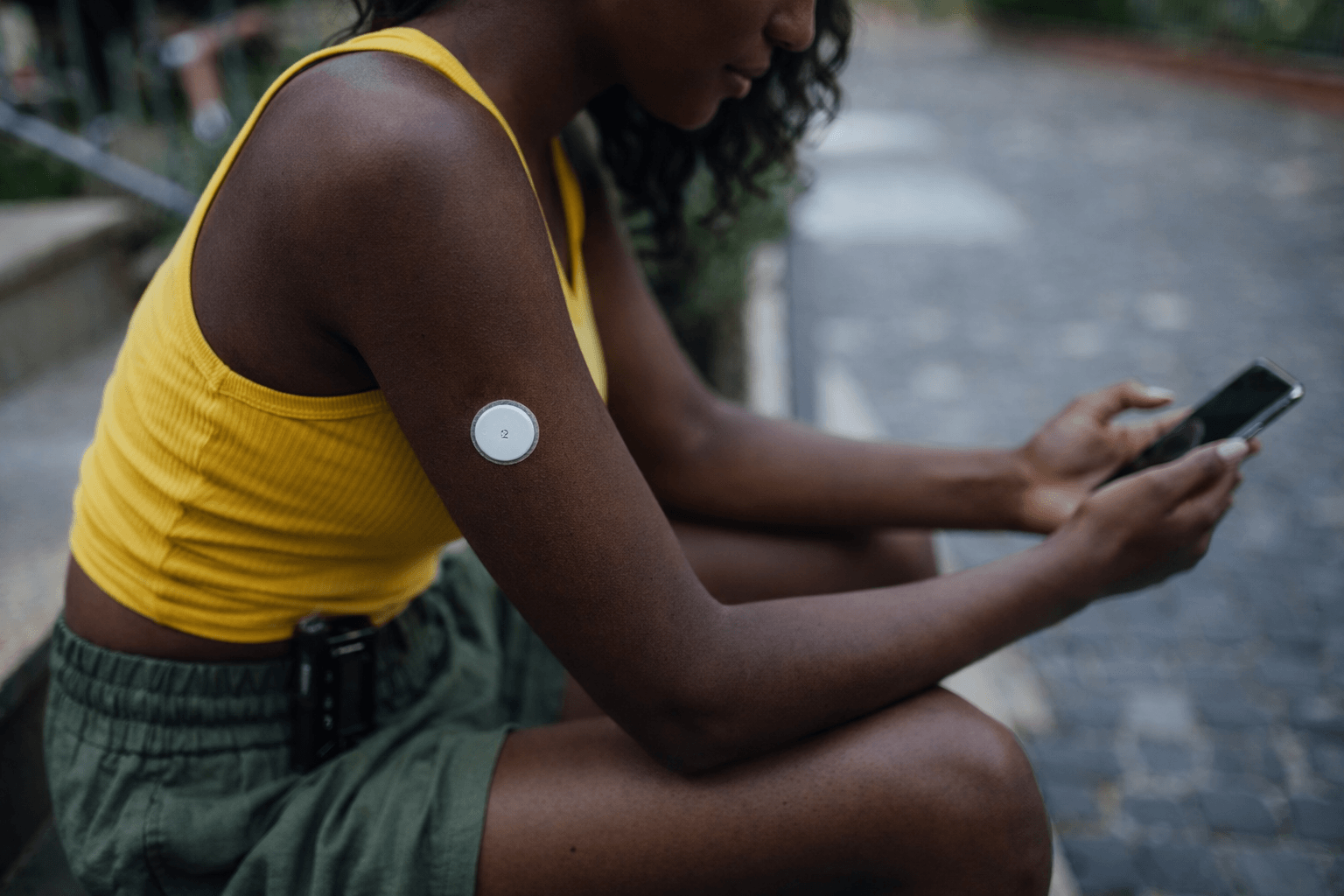
Breakthrough T1D UK notes that “injecting or wearing tech may be painful, or alarms on continuous glucose monitors may trigger sensitivity to sound.” For some people, the sensory cost of wearing a device all day outweighs the clinical benefit. That’s a legitimate value difference your healthcare team should at least consider in your care plan.
Sensory-sensitive people may be hypersensitive to:
- Touch. The feeling of a CGM adhesive on your skin, the pressure of an insulin pump against your body or the texture of a finger stick.
- Sound. CGM alarms are designed to get your attention, but for someone who is noise-sensitive, a high-alert alarm can trigger a stress response that makes blood sugar worse, not better. Adjusting alarm settings, using vibration-only alerts or choosing devices with customizable sound profiles can make a real difference.
- The sensory environment of healthcare settings. Bright fluorescent lighting, strong clinical smells, crowded waiting rooms and unpredictable noise can push a neurodivergent person toward sensory overload before the appointment even starts.
What is interoception and why does it matter?
Interoception is your body’s internal sense and involves the ability to feel hunger, pain, temperature, heart rate and, critically, blood sugar shifts. Many neurodivergent people experience differences in interoception, meaning they may not feel the physical cues of a low (shakiness, sweating, rapid heartbeat) or a high (thirst, fatigue, brain fog) the way neurotypical people do. This makes it harder to catch glucose swings before they become emergencies.
A CGM can compensate for this, but only if the sensory demands of wearing one are manageable. For people navigating both interoception differences and sensory sensitivity, finding the right device and the right settings is a negotiation, not a prescription.
So what actually helps?
The key is building systems that work with your brain, not against it. This may include:
- Phone alarms and visual reminders can help you remember to take medication when your brain doesn’t do it automatically on its own.
- Body-doubling—doing a task while someone else is nearby (even just working on their own thing)—can make it easier to actually start.
- Using pre-filled medication organizers, pre-set pump profiles and meal defaults to reduce the number of in-the-moment decisions you need to make.
- Try different adhesive barrier products, alternative insertion sites and devices with lower sensory profiles. If a device isn’t tolerable, multiple daily injections may be a better fit—and that’s okay.
- If your healthcare team doesn’t know you’re neurodivergent, consider telling them. You don’t have to have a formal or complete diagnosis to say, “I have challenges with executive function/sensory sensitivity/ interoception/depression/anxiety/etc. that affect my ability to stay on top of diabetes management. Can we build a plan that accounts for that?”
- Ask your healthcare provider for environmental adjustments like dimmed lights, quieter waiting areas and consistent communication plans as essential accommodations, not extras.
Your care plan should be just that: yours
You deserve a game plan built for your brain and body. Remember that your healthcare provider should work with you to create a plan that considers and includes you. Talk to your healthcare provider about sensory needs as a clinical concern, not a preference.
And if your current healthcare provider dismisses your neurodivergence as irrelevant to your diabetes care, that’s a sign to consider looking for someone who understands that the needs of your brain and blood sugar are a nonnegotiable, package deal.
Want to connect with other people living with type 1 diabetes alongside other conditions? Check out our community apps.


Author
Katherine Gilyard
Beyond Type 1 is the largest diabetes org online, funding advocacy, education and cure research. Find industry news, inspirational stories and practical help. Join the 1M+ strong community and discover what it means to #LiveBeyond a diabetes diagnosis.
Related Resources

You might think one of the first steps after a type 2 diabetes (T2D) diagnosis...
Read more

Living with type 2 diabetes (T2D) often means using supplies like insulin, blood glucose meters...
Read more

If you are the parent of a young child with type 1 diabetes (T1D), you...
Read more