Traveling to the Caribbean with T1D? Here’s Your Hurricane Season Prep Guide
Written by: Christine Fallabel
7 minute read
July 13, 2026
Hurricane season in the Atlantic runs from June 1 through November 30. If you live with diabetes and plan to travel to the Caribbean for a tropical getaway in that timeframe, you’ll need to plan ahead.
These storms can bring sudden weather changes, flight delays, power outages, and limited access to pharmacies or medical care. Each of these can make diabetes management harder.
Traveling during hurricane season doesn’t mean you have to cancel your plans, and it doesn’t mean that you’re guaranteed to experience a storm. But if you live with type 1 diabetes (T1D), it does mean planning, packing intentionally and being ready for the unexpected.
Pack a lot more than you think you need
The golden rule of packing with diabetes is this: pack at least 2-3 times the diabetes supplies that you think you’ll need. This may include:
- Your diabetes tech like insulin pump supplies and continuous glucose monitor (CGM) sensors
- Test strips
- Glucometer
- Backup batteries and chargers
- Lancets and their devices
- Alcohol swabs
- Adhesives
- Insulin
- Syringes
- Ketone strips
- Low blood sugar supplies like glucose tabs and gels
Weather delays, rerouted flights, lost luggage and extended port stays are all pretty common during hurricane season, so make sure you have enough supplies to cover yourself if you get stuck somewhere longer than planned.
This means that you’ll actually look at your travel week, map out which days you’ll need a site change, add those times up, and multiply that by two or three.
If you don’t have enough supplies to cover yourself, try asking your healthcare provider for samples to make sure you have enough for an extended stay.
Pack your diabetes supplies in your carry-on bag
Always carry your diabetes supplies in your carry-on bag, never your checked luggage. Keep everything you need as close to your body as you can so it doesn’t get lost. Checked luggage that goes into cargo is also subject to extreme temperatures, which is dangerous for medications, including insulin.
Most airlines allow people with disabilities like diabetes to carry an extra “medical” carry-on bag that doesn’t count towards their carry-on allotment. Check with your airline for their specific policy.
Building a true emergency kit goes beyond blood sugar management
Hurricane season can also mean power outages, transit disruptions, and limited access to refrigeration, water, fresh food, pharmacies and even emergency services. Having your own small-but-mighty emergency kit can make a big difference.
A good kit may include:
- A backup battery for diabetes devices
- A portable battery and charger for your phone
- A cooling pouch for insulin in the case of power loss
- Printed prescriptions and a letter from your healthcare provider stating you have insulin-dependent diabetes
- A list of medications, doses and emergency contacts
- Cash (in case ATMs are down)
- Shelf-stable snacks and low snacks that won’t melt or spoil
- Emergency glucagon
If you use an insulin pump and/or a CGM, make sure you know how to go analog, just in case. This means brushing up on your insulin-to-carb ratios, sensitivity factors and your long-acting insulin dose, if needed.
Check with your healthcare provider before your trip if you have questions or concerns.
Have a plan for accessing care
Your health insurance in the U.S. will not cover expenses incurred outside of the country, including hospital visits, emergencies or medications. We recommend that you:
- Check with your insurance to see if your coverage includes emergency medical evacuation, which can cost hundreds of thousands of dollars out-of-pocket.
- Research healthcare options at your destination. If you’re visiting multiple places, research options at each stop along the way.
- Find out where the nearest hospital or clinic is, local pharmacies, and where and how you could access insulin in a pinch at your destination.
- Before you travel, make sure to buy traveler’s insurance if you’re traveling abroad.
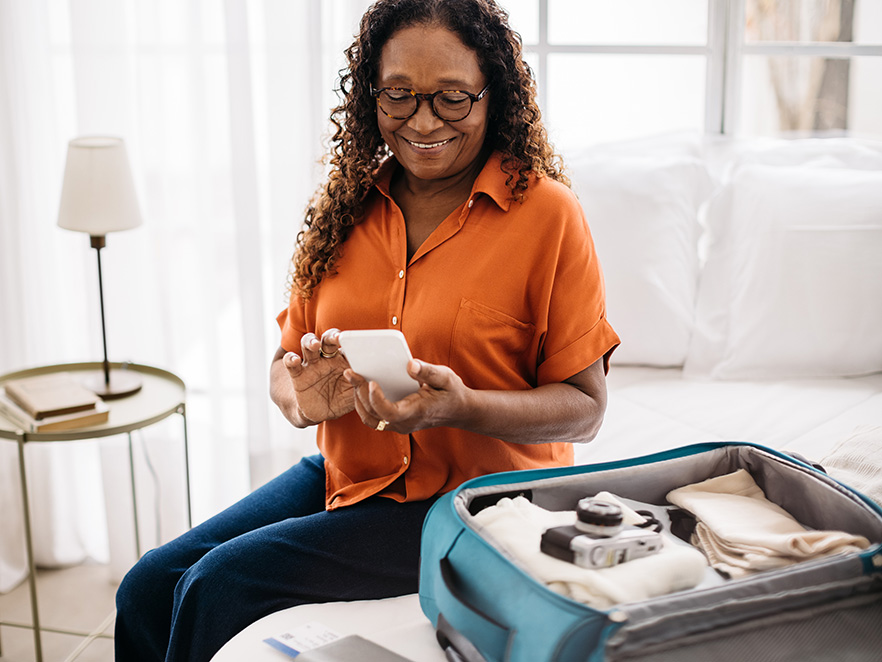
Track the weather without becoming alarmed
Flexibility is key.
You don’t need to turn into a meteorologist, but it does help to know how the weather may impact your travel ahead of time.
Add your destinations to your weather app on your phone, and sign up for alerts from your airline so you can contingency plan before leaving home.
If a strong storm is forecasted, sometimes it’s better not to just sit and wait; if you have refundable tickets, look for alternative dates or adjust your plans as needed. Remember that your health and safety come first.
Advocate for yourself vocally
Whether you’re stuck at the airport, on a plane or aboard a cruise ship, don’t hesitate to communicate your needs. Let the people traveling with you know what to do in the case of a severe hypo, and always tell flight attendants if you feel sick.
If you’re on a cruise, visit the medical center early on in the trip so you know where it is and how (and when) it operates. All cruise ships have medical centers that can help you in a diabetes emergency, but it’s helpful to know where it is before something urgent happens.
Protect your insulin and devices from the elements
Hurricanes need water that’s at least 80 degrees Fahrenheit to form. That means that the areas where they hit are also warm and usually very humid. This can be harmful to your insulin, devices and other diabetes medications.
- Keep insulin out of direct sunlight and avoid keeping all medications and devices in hot, enclosed spaces like cars or in front of windows for extended periods of time.
- Packing waterproof bags not only helps when you’re doing fun things like swimming and sailing, but it can also protect your devices during emergencies like flash flooding and heavy rains.
- If you’re heading out for the day, bring a small diabetes kit with all the essentials plus some extra supplies and plenty of water and low snacks. Storms can develop quickly and in the case of an emergency, returning to your room or ship may be delayed.
Be prepared, but also have fun
Travel, even in the best of times, will disrupt your routines. Sometimes that’s the point of taking a trip. But weather-related stress and diabetes can be really difficult to manage, and can get in the way of truly enjoying yourself and having fun.
Vacations are about letting go, resting and dipping into relaxation. Having a plan for hurricane season should bolster that, not take away from your trip.
With some preparation, extra packing and a little intention, you can start your vacation knowing that you’re prepared for whatever weather may come your way.
Have a wild travel story you can’t wait to share? Join our online community here!



Author
Christine Fallabel
Related Resources

Sensitive Topic Warning: This article discusses anxiety, stress, depression and mood swings, which may be...
Read more
First responders bring to mind 911 emergencies where paramedics respond to provide lifesaving care. But...
Read more

The longer you’ve been linked to someone with type 1 diabetes (T1D) romantically, the more...
Read more