Overcoming Low Blood Sugar Fear with Diabetes
Written by: Jordan Dakin
6 minute read
March 1, 2026
Low blood sugar—aka hypoglycemia—is one of the scariest parts of living with diabetes. Low blood sugar may force you to pause, test your patience and sometimes ask for help. When severe, chronic or left untreated, low blood sugar can have serious consequences.
So it’s no wonder many people with diabetes fear lows. But just because this fear is common, doesn’t mean you should accept it.
Who experiences low blood sugar anxiety?
People with type 1 and type 2 diabetes experience lows. Low blood sugar levels are defined as blood sugar readings at or below 70 mg/dL/3.9 mmol/L. They become severe when they hit 55 mg/dL/3.1 mmol/L.
Low blood sugar anxiety is paired with any blood sugar reading that is at or below 70 mg/dL/3.9 mmol/L. Sometimes it starts even earlier if you sense your blood sugar dropping quickly or see it drop in real time on your continuous glucose monitor (CGM) graph.
This fear, intentionally and subconsciously, sometimes leads people with diabetes to keep their blood sugar levels high. But this can lead to another problem—a higher risk of diabetic ketoacidosis (DKA) or other long-term health complications of chronic high blood sugar levels.
It’s a lot to think about!
Living with diabetes means you have to check and watch your blood sugar all the time, every day of the year. It also means you need to find ways to avoid worry or mental health problems. Your mental health is very important and affects how you feel and take care of yourself.
While lows take a significant mental and physical toll, keeping blood sugar high isn’t the answer to the fear of low blood sugar.
The mental toll of life with diabetes
Sometimes, people with diabetes give low blood sugar episodes more mental energy than usual. It’s understandable, especially with severe lows that can feel or become life-threatening, or if you’re suffering from chronic lows. Simply moving on with your day after a low blood sugar episode isn’t that simple.
Physically, it takes your body at least 15 minutes to recover from a low.
It’s important not to let the lows linger too long in your mind or roll into your overall mental health. Being aware of low blood sugar symptoms is an important part of survival for a person with diabetes, but it also requires setting boundaries to avoid heightened levels of anxiety.
Getting support for low blood sugar fears
Dr. Mark Heyman, PhD, CDCES, who also lives with type 1 diabetes (T1D), explains that low blood sugar anxiety can manifest in everyday situations like driving, traveling or going to work. He’s worked with people who keep their blood sugar high on purpose, treat blood sugar levels before they’re actually low or underdose their insulin for food or correction highs.
If you’re dealing with the fear of lows to the point where everyday tasks are unmanageable, Dr. Heyman recommends seeking professional help. Having diabetes doesn’t mean you can’t maintain a normal, healthy outlook on the condition—it just means it might take an extra step here and there.
If your low blood sugar fears feel intense, Dr. Heyman recommends using the American Diabetes Association’s (ADA) Mental Health Professional Directory, which can connect you with healthcare providers who specialize in this challenge.
How to manage low blood sugar fears
When dealing with low blood sugar fears, it is important to recognize when this worry becomes harmful so it can be managed without affecting your quality of life.
Mariana Gomez, a certified diabetes educator living with T1D, shares four steps to manage your low blood sugar fears proactively:
- Recognize fear as an emotion: Name it. Tell yourself that being afraid is normal. Encourage your peers or caregivers to share their perspective on your fears. They can help you determine whether it’s become exaggerated. Sometimes, you can get inside your head too much and be your own worst enemy.
- Ask for advice from your peers: The diabetes community is full of warm, insightful and kindhearted people who can help you feel understood. They may even share wisdom from their lived experience that could help you prevent a low.
- Analyze and take action: Review how you make diabetes decisions, focusing on carb counting and insulin adjustments. This can help reduce problems that interfere with your diabetes care and cause low blood sugar.
- Give technology a try: Tools like CGMs can give helpful information that could save your life and reduce worry.
We see you: your low blood sugar fears are real
Alexi Melvin has lived with T1D for 16 years and admits to intentionally allowing her blood sugars to run high for years by personal choice.
“Any time I would go out with friends or to a concert or anything like that, I would make sure that I was running high so that I wouldn’t have to stress about going low,” she says. “I had a job at a Broadway theater, and I remember taking a quick break to check my blood sugar because I felt very lethargic, and I was upwards of 400 mg/dL. I had gone so far overboard to avoid a low that I was seriously putting my health at a much more of a risk than getting a few lows here and there.”
When Alexi drops low, it’s usually in the middle of the night when she’s half asleep, which makes treatment feel more difficult. These dangerous situations are not uncommon for people who feel unequipped to treat hypoglycemia rapidly. That’s where emergency glucagon comes in handy.
Glucagon can offer peace of mind when you fear lows
Having emergency glucagon on hand is one practical way to ease low blood sugar fears.
Emergency glucagon is a medication used when a person with diabetes is experiencing severe hypoglycemia (low blood sugar) and cannot take sugar orally, or in non-emergency situations with mini-dosing to prevent “glycemic overshoot.”
For decades, there was only one option—and it was difficult to use—so many new and improved emergency glucagon treatment products are available today, including:
- Nasal glucagon—Baqsimi®: This is an emergency glucagon that’s administered through your nose.
- Glucagon pen—Gvoke HypoPen®: This is a premixed glucagon injection that you press against your thigh. The auto-inject device makes it quick and easy to use. It is also available in a prefilled syringe (PFS).
- Glucagon Prefilled Syringe—Gvoke Kit®: This is a premixed glucagon vial with a syringe, allowing you to draw up the dose manually and inject it directly into your thigh.
- Glucagon pen—Zegalogue®: Also a premixed glucagon, available as an easy-to-use auto-inject device. It is also available in a prefilled syringe (PFS).
Every person with diabetes taking a blood sugar-lowering medication should have emergency glucagon available, regardless of low blood sugar fears.
You don’t have to live with low blood sugar fear
Worrying too much about having low blood sugar can cause emotional hardships and also hurt your health. The best way to live without or with less fear is to learn about the tools at your disposal, connect with the diabetes community and have open conversations with your doctor.
Diabetes may be lifelong, but fear of lows doesn’t have to be.
Living with diabetes can feel isolating. Finding the right support can be a gamechanger for your mental health. Get started with our Community Guide.



Author
Jordan Dakin
Jordan recently graduated from the University of California, Los Angeles after earning her BA in English and film studies. She is a passionate storyteller, traveler and lover of people and hopes to use her experience working in tech and as a writer to advocate for the BT1 community. In her spare time, she also enjoys hiking, karaoke and cooking for friends. Check her out on Instagram @jordanemilydakin.
Related Resources
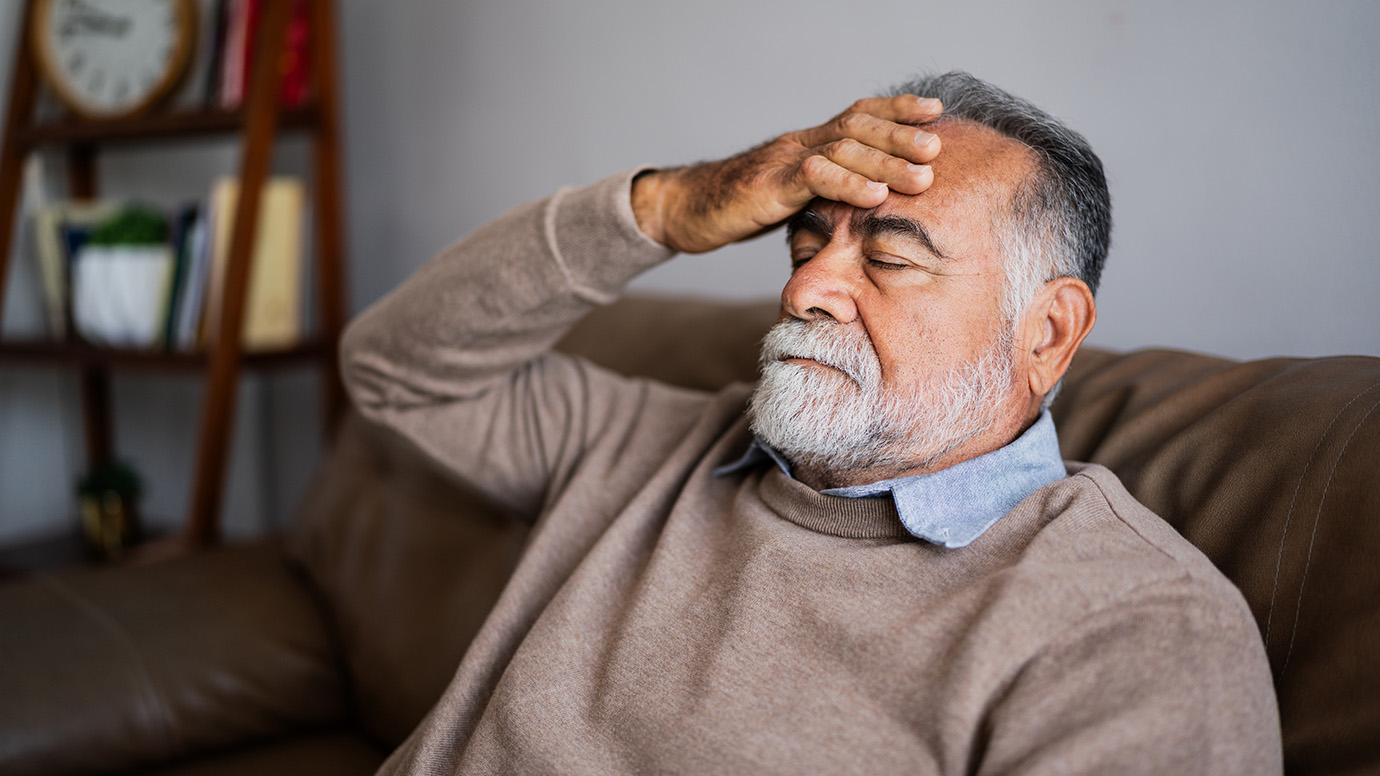
Hypoglycemia is also known as low blood sugar. If you live with diabetes and take...
Read more

If you live with type 2 diabetes (T2D), you might be taking oral medications or...
Read more
Editor’s note: This article discusses severe hypoglycemia and does not substitute for medical advice from your health...
Read more