Tips + Tricks: Losing Weight While Taking Insulin
Written by: Christine Fallabel
9 minute read
June 5, 2026
Human beings need insulin to survive. It’s the hormone that helps your body use food for energy. But for people living with diabetes, insulin has gotten a bad reputation as a “weight-gain drug,” and it’s often blamed for making weight loss harder.
It’s true that insulin plays a role in weight management, but the real issue is finding the right amount for your body, not avoiding it.
Let’s break down how insulin really works in the body, why weight changes can happen after starting or adjusting it, and what that means for your fitness goals.
Everyone needs a certain amount of insulin but finding that amount isn’t easy
Insulin is essential for survival. We all need enough insulin to help us manage blood sugar levels in our personal target range and to stay alive and healthy.
Insulin makes use of the glucose in your bloodstream in a few ways:
- Using it immediately for energy
- Storing it as glycogen (backup fuel) in your liver and muscles
- Storing it as body fat
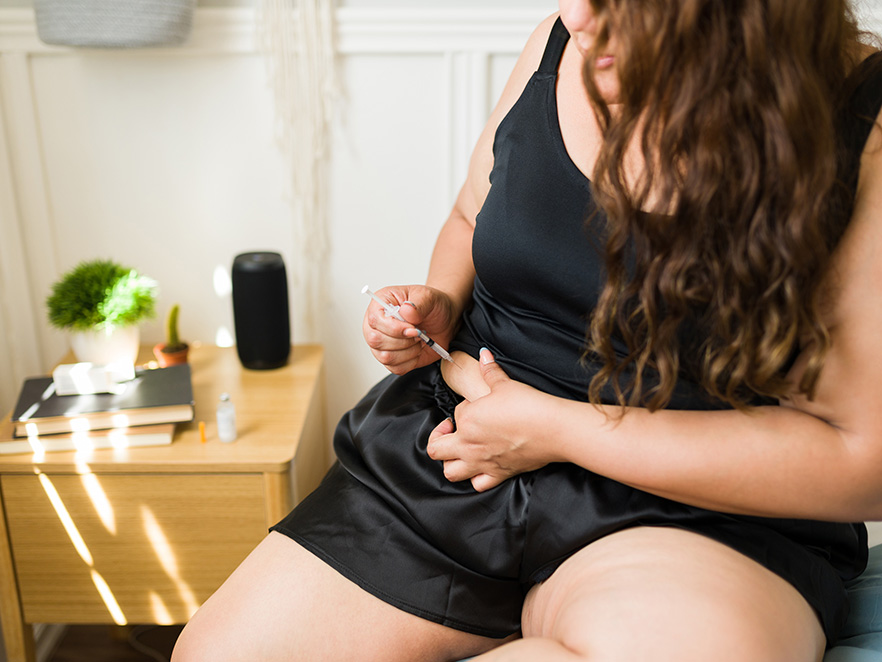
Determining how much insulin your body needs isn’t easy—and it can change frequently throughout your life! Even small changes in insulin can affect blood sugar levels, which is why ongoing communication with your care team is key to keeping levels in a safe range and feeling your best.
Too much insulin can lead to:
- Constantly eating fast-acting carbs to prevent lows
- Overtreating low blood sugars with too many calories during frequent low blood sugars, or binge-eating
- Feeling constantly hungry and on the edge of a low
- Frequent lows increase the risk of over-treating, then rebound highs, then more insulin, etc.
- Preventing you from being able to exercise without eating more food
Too little insulin can lead to:
- Daily frustration with high blood sugar
- Constantly taking more corrective insulin
- Frequent correction doses increase the risk of lows, then eating more calories, etc.
- Feeling lethargic from running high, interfering with motivation to exercise
- Increased cravings for food, sugar, etc., despite eating
Your background/basal insulin needs can change frequently throughout your life based on changes in body weight, age, stress, menstruation, menopause, pregnancy, sleep habits, activity levels and more.
Get support from your healthcare team to fine-tune your background/basal insulin doses to ensure that you get the amount your body truly needs.
Tips to increase insulin sensitivity
Regardless of your diabetes type or how much insulin you use, there are always things you can do to help increase your natural sensitivity to insulin, which can improve blood sugar levels.
Improved insulin sensitivity can lead to lower insulin requirements, which makes it easier to lose weight. This is true especially if you’re struggling with severe insulin resistance and taking large doses of insulin.
Here are a few clear habits from SaRene Brooks, RD, CDCES from her time at Integrated Diabetes Services that can help reduce your background and mealtime insulin doses:
- Go for a walk before/after eating: Even just 15 minutes of walking after eating can help reduce your mealtime dose. If you don’t want to worry about lows, try walking before your meal when you don’t have mealtime insulin on board. You’ll still benefit from increased insulin sensitivity but with a lower risk of hypoglycemia.
- Go for a walk every single day: It doesn’t get much better than walking when it comes to exercise for diabetes management. This low-impact form of exercise gets your blood flowing, burns calories and increases your sensitivity to insulin. The more consistently you make it a daily habit, the more you’ll reap the benefits.
- Reduce your carb intake: This can mean eating less starchy bread, rice, pasta or sugar at a meal and increasing the number of veggies you eat instead. Even just a 10% reduction can make a big difference! You don’t have to cut all the carbs—just try to make a small reduction.
- Get more sleep: Sleep deprivation leads to increased cortisol and insulin resistance.
- Start strength-training: A strength-training workout can increase your sensitivity both immediately and long-term, because muscle burns more calories at rest than body fat.
- Reduce your dietary fat intake: While dietary fat is part of a healthy diet, most people get plenty of fat already. High-fat meals can cause you to need more insulin, even when carbs are estimated perfectly! Choosing foods with less fat can help your insulin work more predictably. Eating less fat may help you to use less mealtime insulin, have smoother blood sugar after meals, and bring your overall calorie intake down.
- Reduce your caffeine intake: Excessive caffeine consumption can temporarily raise your blood sugar, especially around meals.
- Take a look at your stress level: Stress can affect blood sugar in different ways. Short‑term stress, like an argument or sudden illness, can cause a quick rise in blood sugar as your body releases stress hormones. Ongoing stress, such as work pressure or the daily effort of managing diabetes, can make your body less sensitive to insulin over time.
These may sound like small things, but they add up and can make a big difference on your body’s overall insulin needs.
Avoid these habits that lead to weight gain while using insulin
Managing insulin therapy isn’t easy. No one expects you to do it perfectly because it’s quite complicated! But there are a few things you might be doing that are leading to weight gain.
As the go-to weight-loss coach at Integrated Diabetes Services, Brooks says these habits can easily contribute to gradual weight gain with insulin use:
- Over-treating during low blood sugars: If you frequently overtreat low blood sugars, you could be consuming hundreds or thousands of extra calories every week that contribute to gradual weight gain. Here are tips to help you stop overeating during low blood sugar.
- Taking too much basal/long-acting insulin: If your background insulin dose is too high, you could be experiencing frequent lows. Treating those frequent lows adds up to calories your body doesn’t need.
- Forgetting to reduce your basal rate in your insulin pump before and during exercise: The goal is to avoid eating calories you don’t want or need because of frequent lows. If you can, plan to start working out when you’re at a safe blood sugar, and reduce the basal rate in your insulin pump. You may save yourself from consuming extra calories to treat a low early during exercise.
- Exercising right after eating with a full insulin dose on board: If you plan to be active soon after a meal, your usual mealtime insulin dose should be reduced. Exercising while rapid‑acting insulin is still working can cause blood sugar to drop quickly, leading to lows and extra calories you wouldn’t otherwise need. Talk with your healthcare provider about how much to reduce your meal bolus in those instances.
Remember: Talk to your healthcare provider before making any changes to your diabetes regimen. Always be prepared for hypoglycemia when exercising by carrying fast-acting carbohydrates or glucagon with you!
Remember that frequent lows mean your insulin doses need to be adjusted ASAP.
Other medications can help reduce insulin needs + aid in weight loss
If you are overweight or living with obesity, you may be eligible for other medications that can help people with diabetes lose weight.
While there are a variety of diabetes medications that support weight-loss goals and improve insulin sensitivity, there are a couple of GLP-1 agonist medications that are significantly effective in research:
- Ozempic and Wegovy (semaglutide)
- Mounjaro and Zepbound (tirzepatide)
- Rybelsus (semaglutide)
- Foundayo (orfoglipron)
These medications can help your body compensate for the thing it struggles to do: produce normal amounts of insulin. People with type 1 diabetes also don’t properly produce amylin—a hormone that regulates appetite, blood sugar levels after eating and liver glucose production.
It’s okay to need support from medications to help your body reach or manage your weight.
If you’re interested in trying a medication to help you manage or lose weight, talk to your healthcare provider.
Want to make a difference and advocate for people living with diabetes? Join our ambassador program!

Author
Christine Fallabel
Related Resources

When you think about Halloween and live with type 1 diabetes (T1D), the first thoughts...
Read more

Running a marathon with type 1 diabetes (T1D) is more than just tracking miles. You’ll...
Read more

Crossing the finish line of a marathon is a dream for many, and completing one...
Read more