Changing The Conversation Around Diabetes, One Story At a Time
Written by: Dalila Brent
4 minute read
August 21, 2026
What comes to mind when you hear the word “diabetes?” Whether you live with a diagnosis or not, chances are you have an association with it. But is it helping or hurting the narrative?
Changing the conversation surrounding diabetes has been Beyond Type 1’s mission from the beginning. That’s why we’re tapping 16 people with lived experience—parents and caregivers included—to share their stories, challenge assumptions and add more nuance to the conversation. Through our partnership with the storytelling non-profit The Moth, our workshop allows participants to fine-tune their stories so they can share their messages about diabetes with confidence and clarity, ensuring nothing gets lost in translation.
The many faces of diabetes
You’re probably wondering what kinds of stories will be told. The truth is, everyone’s connection to diabetes is different. Like snowflakes, no two experiences are exactly alike. For workshop participant Chelcie Rice, that experience began in the ’80s. At 25, his type 1 diagnosis came with a slew of obstacles. Not only did he have no idea what diabetes was, but he also lacked a community and access to the advanced technology available today. Rice eventually developed partial vision loss after functioning for too long with blood in his eye. He says he went a year before receiving a vitrectomy. “I had to wait until I got a better job with better insurance before getting the procedure,” Rice explains. “I spent years blaming myself for it.”
Now in his 50s, Rice—who is also a comedian—is using his experience and ever-growing knowledge to be an advocate for people living with diabetes, sprinkling a healthy dose of humor along the way.
Finding your type of people
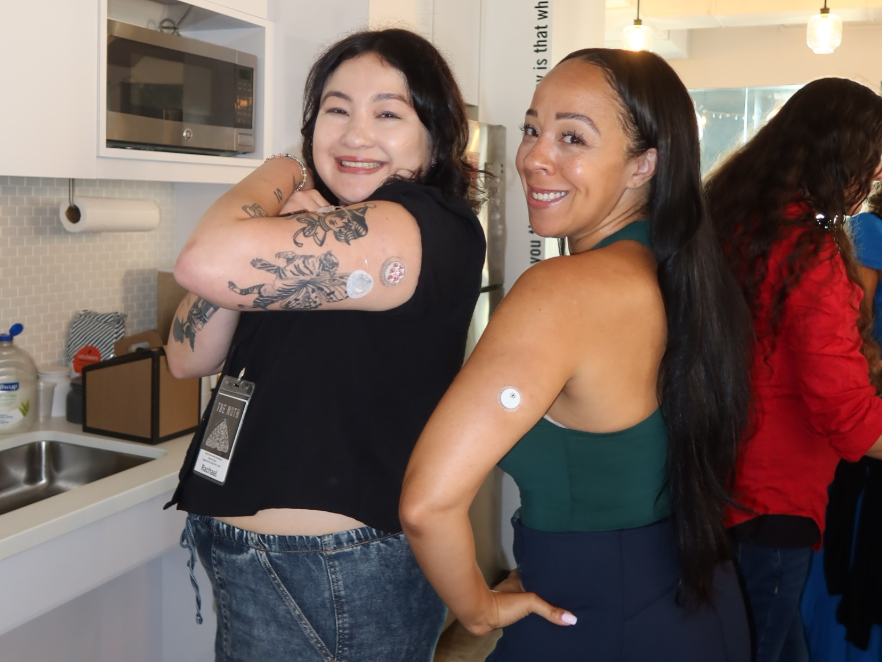
If the name Rachael Stickles sounds familiar, there’s a good chance you’ve seen her work with The Chronically Illest. Stickles, who lives with type 1 diabetes, created the community after struggling to find a space that supported both LGBTQ+ people and those living with chronic illness. “I’d always been part of the diabetes community, but I didn’t always feel represented in it,” Stickles says. “I didn’t see anyone talking openly about being both gay and diabetic.”
What started as a search for community has grown into something much bigger, connecting people online and IRL, making her ‘Gayabetic’ mission feel all the more personal.
The diagnosis plot twist
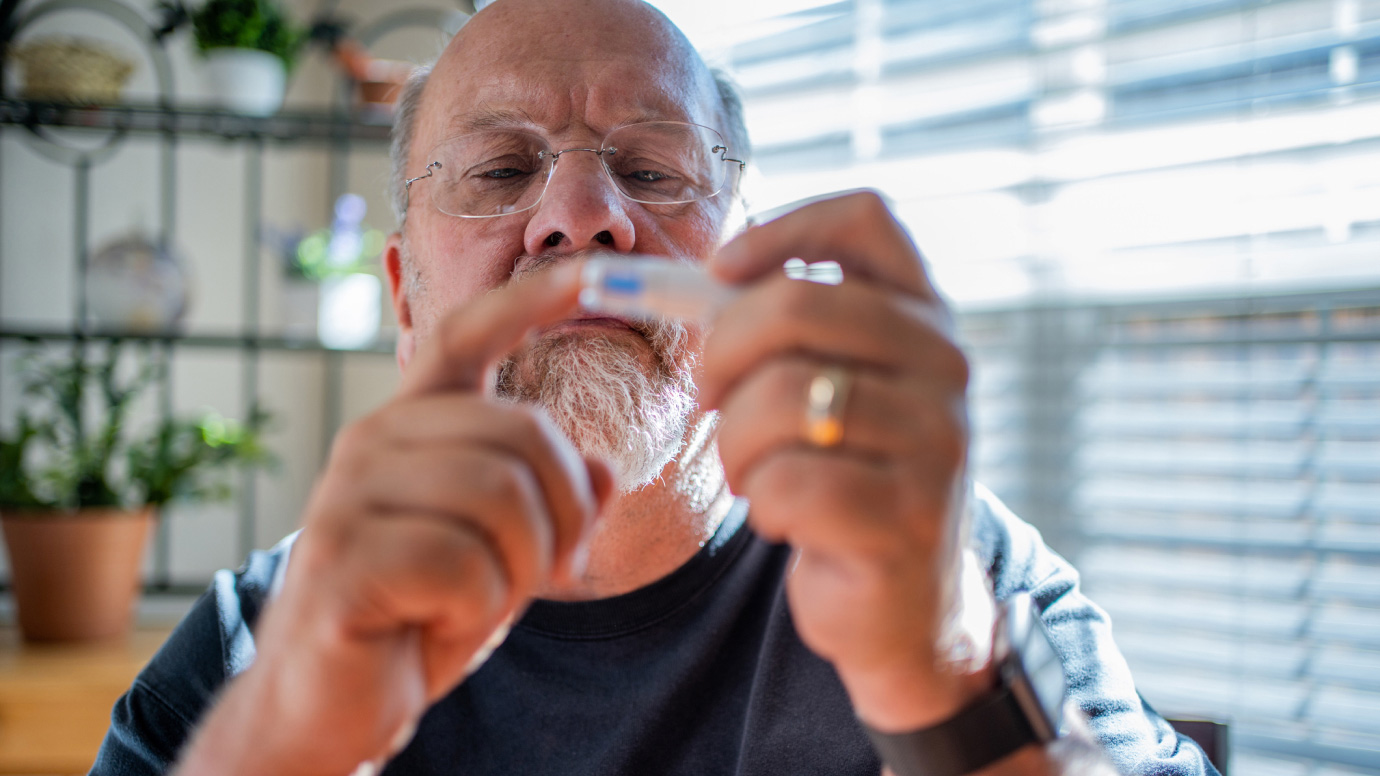
Getting diagnosed with diabetes is a hard pill to swallow. Getting the wrong diagnosis? That can be downright suffocating. And it happens more than you’d think. Steven Zortman was initially diagnosed with type 2 diabetes as an adult. For nearly four years, he followed treatment plans designed for type 2 diabetes, yet something never seemed to fit. Despite his efforts, his blood glucose levels remained difficult to manage and his clinical picture did not fully align with what was expected. As time passed, further evaluation revealed the true cause: he was living with autoimmune diabetes, specifically latent autoimmune diabetes in adults (LADA), a form of type 1 diabetes that develops more gradually than the classic presentation seen in children. “The experience was both frustrating and eye-opening,” Zortman says.
Today, as a diabetes care and education specialist and the father of two children living with type 1 diabetes, he’s using his personal journey to advocate for earlier recognition of atypical diabetes presentations and the importance of appropriate testing when the diagnosis is uncertain.
The cost of care
Betsy Rodriguez’s diabetes story is multilayered. As a woman living with type 2 diabetes and obesity, she’s also the mother of a daughter with type 1 diabetes. She often prioritized her daughter’s access to insulin pump and CGM technology over her own needs.
One day, she sat in her car outside a community food pantry, holding a bag of groceries and trying not to cry. For years, she’d focused her energy on making sure she had insulin, pump supplies and a CGM, believing that if she could keep her daughter’s technology working, she’d be okay. But that day, she realized diabetes was much bigger than devices and prescriptions.
“I was struggling to afford healthy food while balancing medical expenses and family responsibilities,” Rodriguez explains. What struck her most was that many of the families around her faced the same challenges. They weren’t failing at diabetes management, they were doing the best they could with limited resources.
That moment changed her perspective, strengthening her commitment to advocating for people and families whose voices are often overlooked in conversations about diabetes care.
More stories, more voices
These are just a quarter of the stories we’ll be amplifying through our Moth Storytelling series. In the months ahead, we’ll share more here and across social media. The hope? That you—or someone you know—can connect with and learn from these journeys. Because no one should have to navigate life with diabetes alone.
Inspired by these stories and looking for a diabetes community of your own? We’ve already built one for you. Check out our community apps!

Author
Dalila Brent
Related Resources
Sequel, the insulin pump manufacturer of the twiist insulin pump, announced on Friday, October 16,...
Read more

This article references in-kind partners supporting the Beyond Type Run team on race day. The...
Read more
Managing stress is an important part of caring for your overall well-being when living with...
Read more