Medication Options For Type 2 Diabetes
Written by: Ginger Vieira
14 minute read
June 23, 2026
There are many treatment options for people with type 2 diabetes (T2D) today. While it can feel a little overwhelming, recognizing that options matter can help you feel more empowered and respected in your choices, as there’s no “one-size-fits-all” approach to T2D management.
If your current diabetes medication doesn’t seem to work for you, talk to your healthcare provider about other options. Different medications help in different ways. By speaking honestly with your healthcare team, you can find the best treatment options for managing your T2D.
This guide explores common and less commonly prescribed T2D medications you can evaluate with your doctor. Keep in mind that new medications are being approved for use in T2D at a rapid pace. This guide is a starting point for conversations with your healthcare provider.
Non-insulin T2D medications
If you’re newly diagnosed with T2D or newly exploring medications to treat it, it’s likely that your healthcare provider will chat through the following with you first:
Biguanides (Metformin)
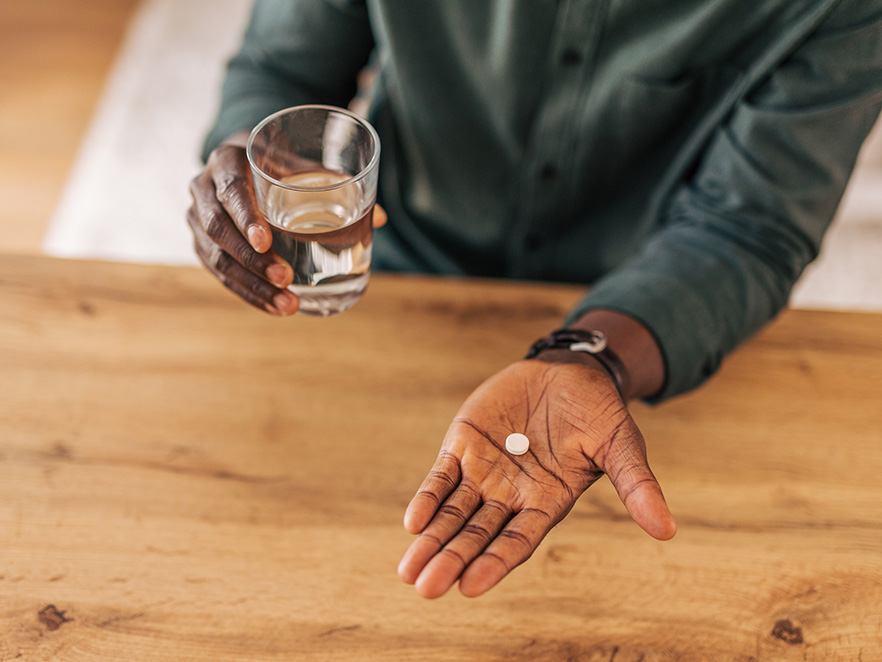
According to the Cleveland Clinic, Metformin is the only drug in the “biguanides” drug class. It is the first and most commonly prescribed medication for people with T2D. It’s also very affordable and usually doesn’t cause low blood sugar.
- Brand names include: Glucophage (Metformin) and Glucophage Extended-Release (Metformin XR).
- How they work: Metformin helps lower your blood sugar by stopping your liver from sending out too much sugar. It also tells your cells to accept insulin better.
- How they’re taken: Taken orally as a pill, once or several times per day.
- Side effects include: Digestive upset, gas, diarrhea, cramping and bloating.
- Need-to-know: To minimize Metformin’s side effects, always take it with food, start with a low dose and increase it gradually. Switching to the extended-release version can also help. Usually, side effects improve after about a month, so managing them effectively can support your ongoing treatment.
DPP-4 inhibitors
Also referred to as “Dipeptidyl peptidase-4 inhibitors,” this class of drugs is commonly prescribed to help people with T2D improve their blood sugar levels.
- Brand names include: Januvia (sitagliptin), Nesina (alogliptin), Onglyza (saxagliptin) and Tradjenta (linagliptin).
- How they work: DPP-4 inhibitors are a class of medications that help lower blood sugar levels. They work by stimulating your pancreas to produce more insulin, but only when your blood sugar is rising. These medications also help stop your liver from releasing too much sugar during the day.
- How they’re taken: Taken orally as a pill, once or several times per day—with or without food.
- Side effects include: Diarrhea, nausea, stomach pain, joint or muscle pain, stuffy nose and headache.
- Need-to-know: DPP-4 inhibitors can be taken with other diabetes medications and are usually pretty safe—there is small risk they will cause low blood sugar.
SGLT2 inhibitors
This type of medication works differently from most other T2D medications.
- Brand names include: Farxiga (dapagliflozin), Invokana (canagliflozin), Jardiance (empagliflozin) and Steglarto (ertugliflozin) .
- How they work: These medications work by stopping your kidneys from absorbing as much glucose (sugar), causing it to pass through your urine instead of entering your bloodstream.
- How they’re taken: Taken orally as a pill, once or several times per day—with or without food.
- Side effects include: Yeast infections, urinary tract infections (UTIs), increased need to urinate, dehydration, and low blood pressure.
- Need-to-know: Since this medication relies heavily on your urine, it’s important to drink plenty of water daily. You may feel very thirsty while taking it. SGLT2s also pose a higher risk of Diabetic Ketoacidosis (DKA).
GLP-1 agonists and Dual GLP-1/GIP agonists
GLP-1s, is a group of drugs first developed for diabetes, that has growing positive research across many health conditions such as cardiovascular (heart), liver and kidney health, as well as weight management and inflammation.
- Brand names of GLP-1s include: Trulicity (dulaglutide), Ozempic (semaglutide) Wegovy (semaglutide), Saxenda (liraglutide), Victoza (liraglutide) Foundayo (orforglipron) and Rybelsus (semaglutide).
- Brand names of Dual GLP-1/GIPs include: Mounjaro (tirzepatide) and Zepbound (tirzepatide).
- How they work: Triggers insulin release from your pancreas (and thus lowering blood sugars), It blocks the body from making glucagon when it’s not needed (AKA-prevents more glucose from going into your bloodstream), It slows down how your stomach digests food (which means feeling full sooner), It also tells your brain that you’re not hungry, meaning you eat less.
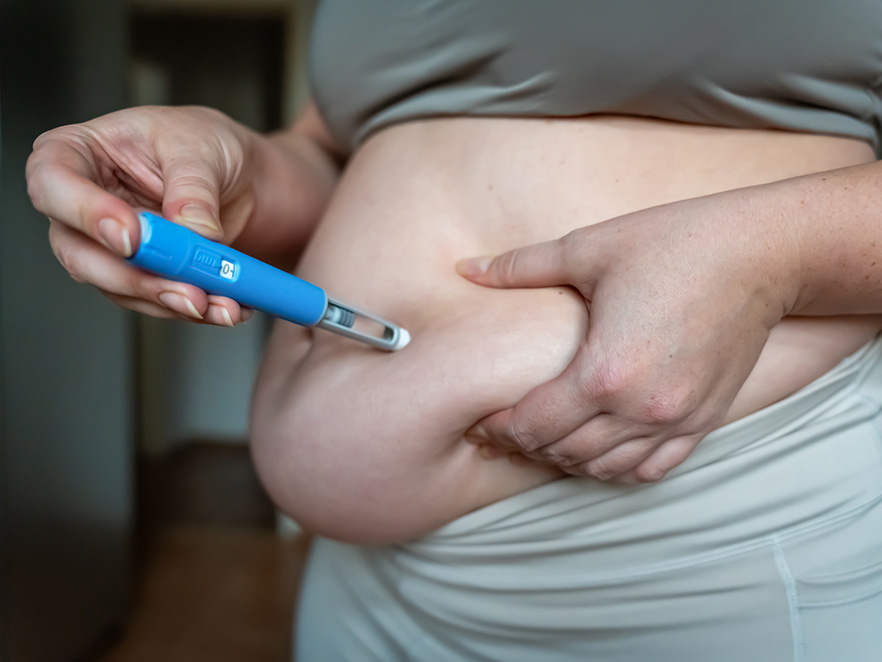
- How they’re taken: Most are taken via daily or weekly injection. Rybelsus was the first GLP-1 available as a pill, but now others are available in pill form, such as oral Wegovy, oral Ozempic and Foundayo (orforglipron).
- Side effects include: Nausea, vomiting, diarrhea, reduced appetite and weight loss.
- Need-to-know: By themselves, GLP-1s do not cause low blood sugar. If you take other diabetes medications (like insulin), you should discuss adjusting those doses if you experience low blood sugar. They also pose a risk of pancreatitis so avoiding alcohol while taking a GLP-1 is recommended.
Meglitinides
This class of drugs is also known as “insulin secretagogues” and can be especially helpful in preventing high blood sugar after eating. With other effective options available, these drugs are less commonly prescribed.
- Brand names include: Prandin (repaglinide) and Starlix (nateglinide).
- How they work: These drugs work by increasing the amount of insulin your body produces, but only for a few hours, which is ideal for managing your blood sugar after eating.
- How they’re taken: Orally, as a pill, right before eating. You should never take this medication unless you are about to eat a meal or have already begun eating.
- Possible side effects include: Weight gain, diarrhea, nausea, joint pain, back pain, headache, stuffy nose and sore throat.
- Need-to-know: This medication can cause low blood sugar, but only if you don’t take it properly. You should only take this medication when you are about to eat, are already eating or have just finished eating. If you skip a meal, your healthcare provider will probably advise you to skip your dose of this medication as well.
Sulfonylureas
Sulfonylureas are among the first medications designed to treat T2D. There are a variety of sulfonylureas, but they all work very similarly. Until Metformin became available, sulfonylureas were the first-line treatment for T2D.
- Brand names include: Amaryl (glimepiride), Diabeta (glyburide), Glucotrol (glipizide), Glucotrol Extended-Release (glipizide XR) and Glynase (glyburide).
- How they work: Sulfonylureas are a class of medications that primarily work by stimulating your pancreas to produce more insulin. Unlike newer medications that only boost insulin when blood sugar rises, sulfonylureas can cause your blood sugar to drop too low because your body is making more insulin all the time.
- How they’re taken: Orally as a pill, once or several times a day with meals.
- Possible side effects include: Low blood sugar, heartburn, nausea, constipation, diarrhea, skin rash and weight gain.
- Need-to-know: There is a higher risk of low blood sugar. These medications are very effective at lowering blood sugar and can be useful if other medications do not work, are too costly or cause side effects that are hard to manage.

Thiazolidinediones
This older group of drugs is often called TZDs. Healthcare providers don’t prescribe them as often because newer medications have extra benefits beyond helping the body respond to insulin.
- Brand names include: ACTOS (pioglitazone) and Avandia (rosiglitazone).
- How they work: TZDs help lower blood sugar by improving your body’s response to insulin. But they do this by helping fat cells store more sugar, which can cause you to gain weight. It also might take a few weeks to see how TZDs affect your blood sugar.
- How they’re taken: Orally as a pill, once or several times a day—with or without food.
- Possible side effects include: Weight gain, fluid retention, increased risk of broken bones. headache, sore muscles, sore throat and stuffy nose.
- Need-to-know: Today, TZDs are not among the first medications recommended for treating T2D because newer medications offer more benefits without causing weight gain. People with liver problems or a history of heart failure should not take these.
Alpha-glucosidase inhibitors
This class of drugs works a bit differently than other diabetes medications and can be a helpful addition to your diabetes management routine.
- Brand names include: Glyset (miglitol) and Precose (acarbose).
- How they work: These medications help stop a lot of the carbs you eat from turning into sugar. Even though you’ll still get some sugar from your food, the rest of the carbs will break down slowly. This helps keep your blood sugar from rising too much after you eat.
- How they’re taken: Orally as a pill, three times a day with meals.
- Possible side effects include: Diarrhea, gas, upset stomach, stomach pain, skin rash and anemia (a blood disorder).
- Need-to-know: This type of medication is simple to add to your diabetes care. But you should talk to your healthcare provider and possibly lower other meds, especially insulin, when you start using it.
Insulin options for T2D
For many people with T2D, starting insulin is the best way to keep blood sugar levels in a healthy range. There are different types of insulin available today, and you should work closely with your healthcare provider to find out which type and how much insulin your body needs.
With insulin, you have choices when it comes to how you take it:
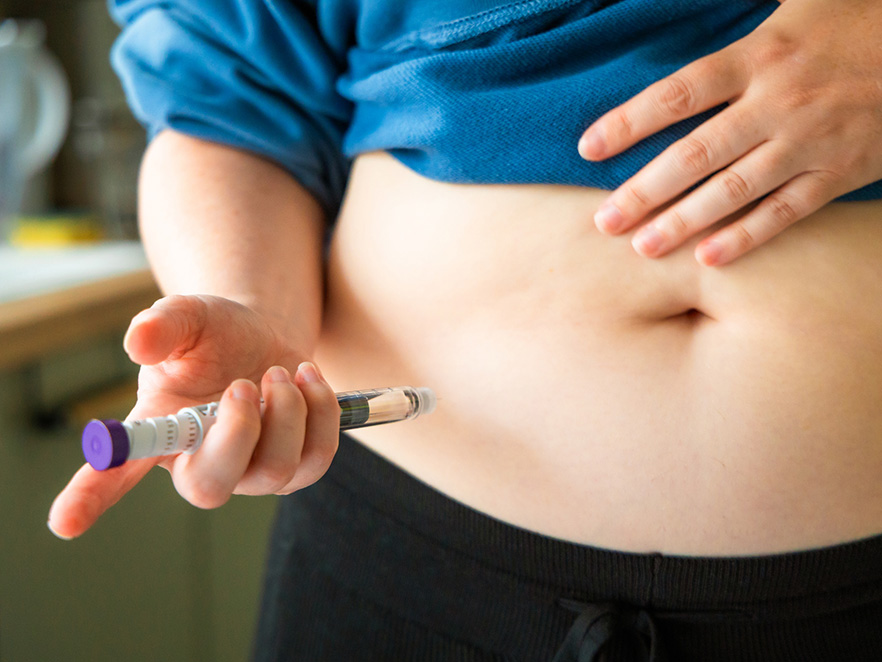
- Injections
- Patch (tubeless pump)
- Traditional tubed pump
- Inhalation
Insulin can cause low blood sugar. If you often get low blood sugar while using insulin, talk to your healthcare providerdoctor right away. When you start insulin, your healthcare providerdoctor should also prescribe you emergency glucagon in case of severe low blood sugar. Anyone on insulin should always have emergency glucagon handy—not to mention, fast-acting carbs for lows!
Ultra-rapid-acting insulin
Ultra-rapid-acting insulin is a type of medication that helps people with diabetes (PWD) keep their blood sugar under control.
- There are three main kinds: Fiasp and Lyumjev, which are injected, and Afrezza, which is inhaled.
- When should you take them? People usually take these medications right before or during a meal to help manage high blood sugar or to balance out the carbohydrates they are about to eat.
- How quickly do they work? The best part is that these ultra-rapid-acting insulins start working really quickly—usually in just 15 minutes!
- Brand names include: Lyumjev (lispro-aabc), Fiasp (aspart, with Vitamin B3 to make it ultra-rapid) and Afrezza (inhaled).
Rapid-acting insulin
Rapid-acting insulin is taken to correct high blood sugar or to balance out the carbohydrates you’re about to consume for a snack or meal, too. It usually takes effect in 15 minutes, but some PWD have noted it’s slower-moving within their systems. This is because everyone’s body works differently, so everyone’s body will respond differently to medications.
To learn how it works in your body, you may also consider investing in diabetes technology, such as a continuous glucose monitor (CGM), to identify patterns and trends in your blood sugar levels. With a CGM prescription for models like the Freestyle Libre 3+, Dexcom G7, MiniMed Instinct or Eversense 365-Day CGM, for example, you can see when your blood sugar starts to rise and fall. This is better than relying on static numbers from a blood glucose meter (BGM) alone for many people with T2D.
Many of them even feature interesting features like AI food logging or tracking. For example, with the Libre Assist feature of the FreeStyle Libre 3+, you can predict how food will affect your blood sugar before you eat. Dexcom G7’s app also features smart AI food-logging
- How long does rapid-acting insulin stay in your system? Once rapid-acting insulin is in your system, it usually lasts two to four hours.
- Brand names include: Apidra (glulisine), Humalog (lispro), Novalog and Novorapid (aspart).
When paired with a CGM, many people with T2D note that insulin dosing decisions become easier and that discussions with their healthcare teams improve because they have data to work with.
Short-acting Insulin
Short-acting insulin is taken to correct high blood sugar or to balance out the carbohydrates you’re about to consume for a snack or meal, too. These types of insulin take effect in 30 minutes. Some members of the diabetes community have noted that it takes effect even more slowly for the same reasons outlined in the section above.
- How long does short-acting insulin last in your system? Once short-acting insulin is in your body, it usually lasts three to six hours.
- Brand names include: Humulin R (insulin Regular human) and Novolin R (insulin Regular human).
Intermediate-acting insulin
Intermediate-acting insulins are usually taken twice daily as a combination of bolus (short-acting) and basal (long-acting) insulin. They take effect in two to four hours and last 12 to 18 hours.
- Brand names include: Humulin N (Insulin NPH) and Novolin N (Insulin NPH).
Pre-mixed insulin
Pre-mixed insulins combine rapid-acting or short-acting insulin with intermediate-acting insulins reducing the number of injections needed per day. These formulations contain meal time and long-acting insulin within one injection.
- Brand names include: Humulin 70/30, Novolin 70/30, Humalog Mix 50/50, Humalog Mix 75/25, Novolog Mix 70/30.
Long-acting insulin
Long-acting insulin is taken once or twice a day as a background insulin. They take effect in just two to four hours and last 24 hours—yes, a whole day!
- Brand names include: Lantus (glargine), Levemir (detemir), Basaglar (glargine), Semglee (glargine) and Rezvoglar (glargine).
Ultra-long-acting insulin
Finally, ultra-long-acting insulins are administered once daily as a background insulin. They take effect in six hours and last up to 42 hours. Impressive, right?
- Brand names include: Toujeo (glargine) and Tresiba (degludec).
You have options with your T2D: that’s important!
As you now know, there are many options available today to help you manage your T2D! This can make it difficult to decide on your care, but don’t worry—that’s what your healthcare team is for. They can help you bounce ideas off and advise you on the best path forward.
Everyone responds differently to these medications, and the type of support your body needs can vary from person to person. Talk to your healthcare provider about your options until you find the right fit.
Want to connect with a community that truly understands what it’s like to navigate the complexities of life with T2D? Join the Beyond Type 2 Community App!
This educational resource is made possible through the support of Abbott Diabetes Care. Beyond Type 1 retains complete, independent editorial control over all content.


Author
Ginger Vieira
Ginger Vieira is an author and writer living with type 1 diabetes, celiac disease, fibromyalgia and hypothyroidism. She’s authored a variety of books, including “When I Go Low” (for kids), “Pregnancy with Type 1 Diabetes,” and “Dealing with Diabetes Burnout.” In her free time, she is jumping rope, scootering with her daughters, or walking with her handsome fella and their dog.
Related Resources
Living with type 2 diabetes (T2D) often means using supplies like insulin, blood glucose meters...
Read more
Sequel, the insulin pump manufacturer of the twiist insulin pump, announced on Friday, October 16,...
Read more

You might think one of the first steps after a type 2 diabetes (T2D) diagnosis...
Read more